


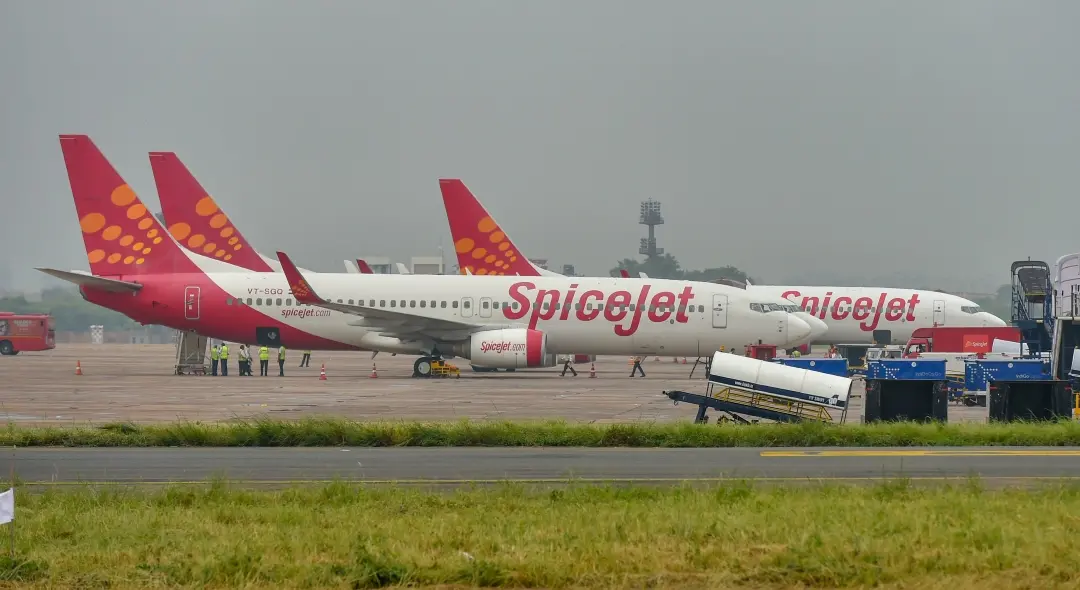
SpiceJet has announced four special repatriation flights from Fujairah to India beginning March 3, aimed at bringing back Indian nationals stranded due to sudden airspace closures across parts of the Middle East.The airline confirmed that the special services will operate to Delhi, Mumbai and Kochi, with two of the four flights scheduled specifically for Mumbai to accommodate higher passenger demand on the western corridor. The move comes as several carriers were forced to suspend or reroute operations amid regional airspace restrictions, disrupting travel plans for thousands.
In a statement, the airline said it is also evaluating the possibility of operating additional services, subject to regulatory approvals and passenger demand. Regular scheduled operations on the Fujairah–Delhi and Fujairah–Mumbai sectors are expected to resume from March 4, signalling a gradual restoration of connectivity.Industry observers note that Fujairah has emerged as a strategic alternative airport during regional disruptions because of its relatively uncongested airspace and operational flexibility compared to larger Gulf hubs. By mounting special flights from the emirate, airlines can bypass heavily affected air corridors while maintaining links with major Indian metros.
For Indian expatriates working across the Gulf region, aviation disruptions often create cascading logistical and financial stress. Emergency deployments of special flights help prevent prolonged stays abroad, particularly for workers on short-term visas, medical travellers and families with urgent commitments back home.Airlines operating in volatile geopolitical environments must balance operational risk, crew safety and passenger welfare. Temporary airspace closures can alter flight paths, increase fuel burn and complicate scheduling. Quick turnaround approvals from aviation regulators are therefore critical to mounting rescue operations.
SpiceJet’s decision to position capacity toward Mumbai reflects demand patterns: Maharashtra accounts for a significant share of Gulf-bound migrant workers and business travellers. Kochi, meanwhile, remains a key gateway for passengers from Kerala, one of the largest expatriate-sending states in India.Aviation analysts say that while such special operations may not always be commercially lucrative, they reinforce brand credibility and public trust. Airlines that respond swiftly during crises often strengthen long-term customer loyalty.With regular services set to resume shortly, the focus will shift to clearing the backlog of disrupted passengers and stabilising schedules. However, the episode underscores the vulnerability of international air travel to geopolitical shocks — and the importance of contingency planning in maintaining connectivity between India and the Gulf.
SpiceJet launches Fujairah rescue flights
