


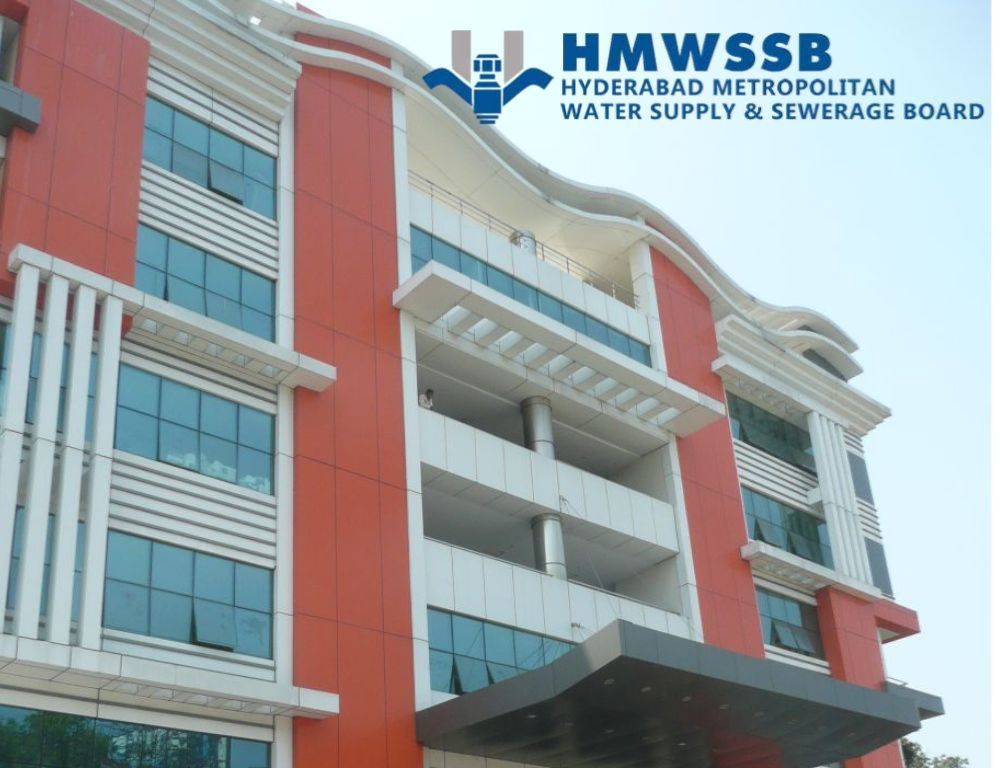
Hyderabad is entering the peak summer season with a widening gap between demand and available supply, even as the city’s water utility expands its jurisdiction beyond the Outer Ring Road. Officials indicate that total allocations from existing reservoirs will remain largely unchanged, raising concerns over how the city will manage rising consumption across newly added suburban zones.
The challenge comes at a time when the service area of the metropolitan water board has increased significantly, incorporating hundreds of additional square kilometres on the urban periphery. Despite this expansion, withdrawals from major surface water sources — including the Krishna and Godavari river systems, as well as Singur and Manjira reservoirs — are not expected to rise substantially.Current supply to Greater Hyderabad stands at roughly 590 to 600 million gallons per day (MGD). During intense summer months, the utility typically pushes an additional 50 to 60 MGD into the network to stabilise distribution. However, internal estimates suggest that Hyderabad summer water demand could touch 750 MGD this year, potentially climbing further in the next cycle if growth trends continue.
The widening shortfall reflects two structural shifts: rapid real estate development along the western and northern corridors, and steady growth in household connections. Over the past year, approximately 50,000 new water connections were added, taking the total to more than 1.5 million. Each addition increases baseline demand, even before seasonal spikes are factored in.Last summer offered a preview of the stress points. Several neighbourhoods in the western suburbs reported sharp groundwater depletion, leading to a surge in private tanker bookings. According to officials familiar with supply operations, daily tanker demand crossed five figures during peak weeks, straining logistics despite round-the-clock deployments.Urban water experts argue that Hyderabad summer water demand highlights the need for a multi-pronged strategy beyond incremental reservoir drawals. Measures such as leak detection, non-revenue water reduction, decentralised wastewater reuse and mandatory rainwater harvesting in new layouts are increasingly seen as critical buffers against seasonal volatility.Reservoir levels are already under pressure as temperatures rise earlier in the year. Climate variability, including shorter and more intense monsoon cycles, is complicating long-term water security planning.
Infrastructure additions, such as new intake points or balancing reservoirs, take years to materialise and require substantial capital investment.For residents in recently merged peri-urban areas, the concern is reliability. Equitable distribution across older city cores and new growth pockets will test the operational resilience of the utility network. Planners caution that without parallel investments in demand management and recycled water for non-potable uses, the supply-demand gap may persist.As Hyderabad continues to expand spatially and economically, aligning land use approvals with assured water provisioning will become central to sustainable urban growth. The coming summer will serve as an early indicator of how effectively the city can balance expansion with resource security.
Also Read:Bangalore Guruvayur Route Highlights Infrastructure Gaps
Hyderabad summer water demand widens supply gap
