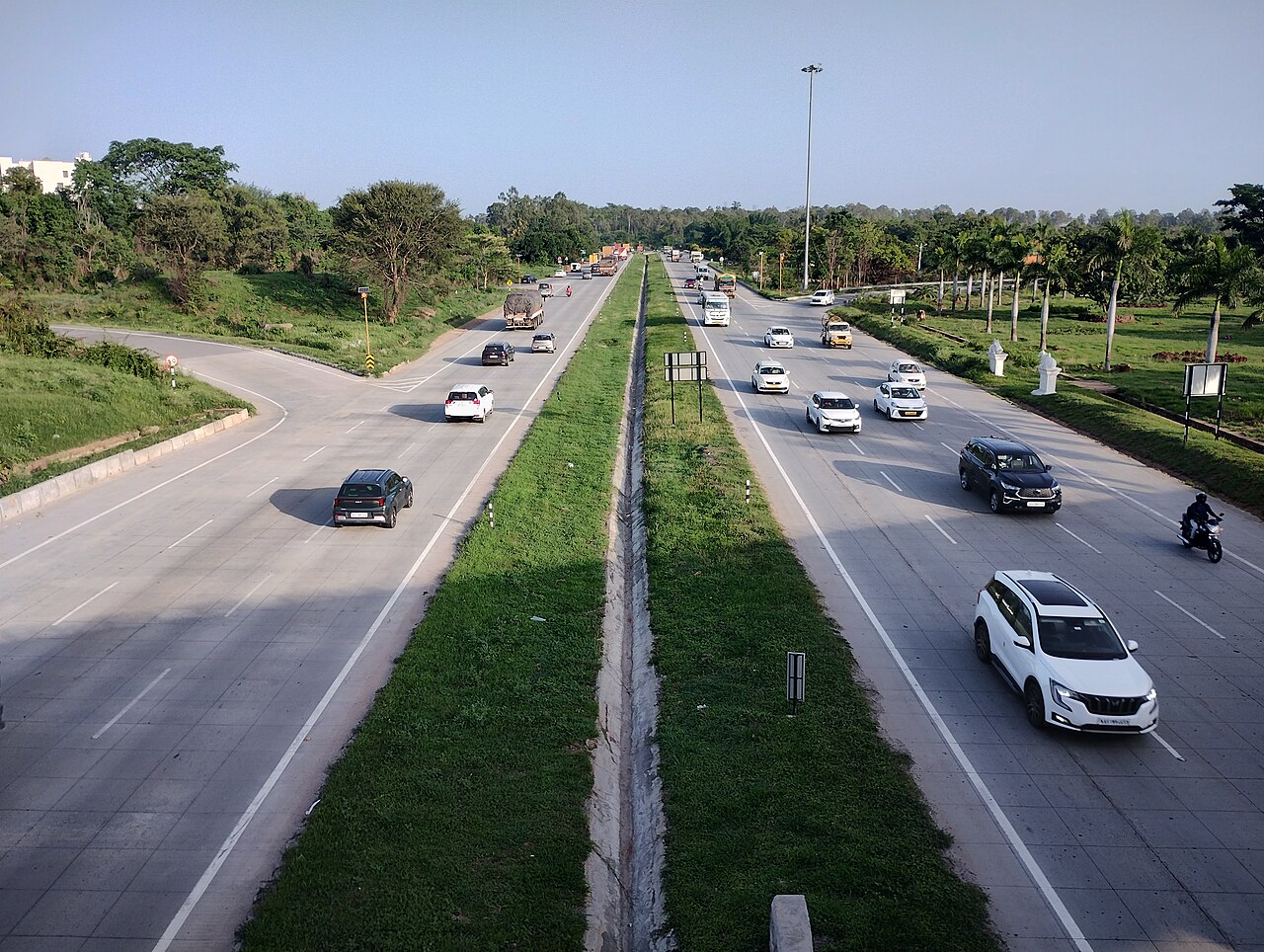
Urban mobility and temple tourism intersected over the recent weekend as a detailed road journey traced the 965-kilometre corridor linking Bangalore to Guruvayur. Covering urban, peri-urban, and rural segments across Karnataka and Kerala, the drive provides insight into infrastructure efficiency, regional connectivity, and the broader challenges of sustainable mobility in southern India. The route underscored the interplay between urban expansion, traffic management, and climate-sensitive transport planning.
Commencing from Bangalore, the trip navigated through Hosur, Krishnagiri, Dharmapuri, Salem, Coimbatore, Palakkad, and Thrissur before reaching Guruvayur. Traffic patterns reflected typical urban-to-rural transitions: congested stretches near industrial hubs like Salem and Coimbatore eased into less dense sections across Palakkad and northern Kerala. Road quality, particularly in Kerala, remained inconsistent, signalling persistent challenges in maintaining long-distance highway standards while accommodating heavy festival traffic.
At Guruvayur, mobility and public space usage were notable. Temple precincts handled morning crowds efficiently, balancing the twin imperatives of visitor management and heritage conservation. Evening cultural events, such as the Aanayottam, attracted significant local and tourist footfall, illustrating the economic potential of temple-centric urban economies while raising questions about pedestrian infrastructure and last-mile transport readiness. The return journey adopted the Nilambur ghat route, highlighting the role of scenic corridors in regional connectivity. This alternative alignment demonstrated not only the capacity of secondary highways to relieve pressure on main arteries but also the critical importance of well-maintained ghat sections for safety, especially in monsoon-prone regions. Timed stops at established local facilities provided insight into the integration of roadside services with sustainable tourism, signalling opportunities for gender-inclusive, climate-resilient planning along high-traffic corridors.
Transport analysts note that such long-haul road experiences illuminate the larger context of southern India’s mobility networks. While expressways and upgraded highways have improved average travel speeds, urban and peri-urban congestion persists, particularly around emerging economic centres. In addition, aligning road infrastructure with environmental imperatives including landslide mitigation in ghats, reduced vehicular emissions, and equitable access to transport services remains a pressing policy priority. The trip underscores that infrastructure planning for high-demand corridors must balance efficiency with climate resilience and social inclusivity. Observers suggest leveraging data from festival and temple-related traffic, combined with investment in peripheral connectivity, to create safer, low-carbon routes. For regional planners and private mobility stakeholders, such journeys provide critical, real-world insights into sustainable transport, urban-rural linkages, and the economic impact of integrated corridor management.