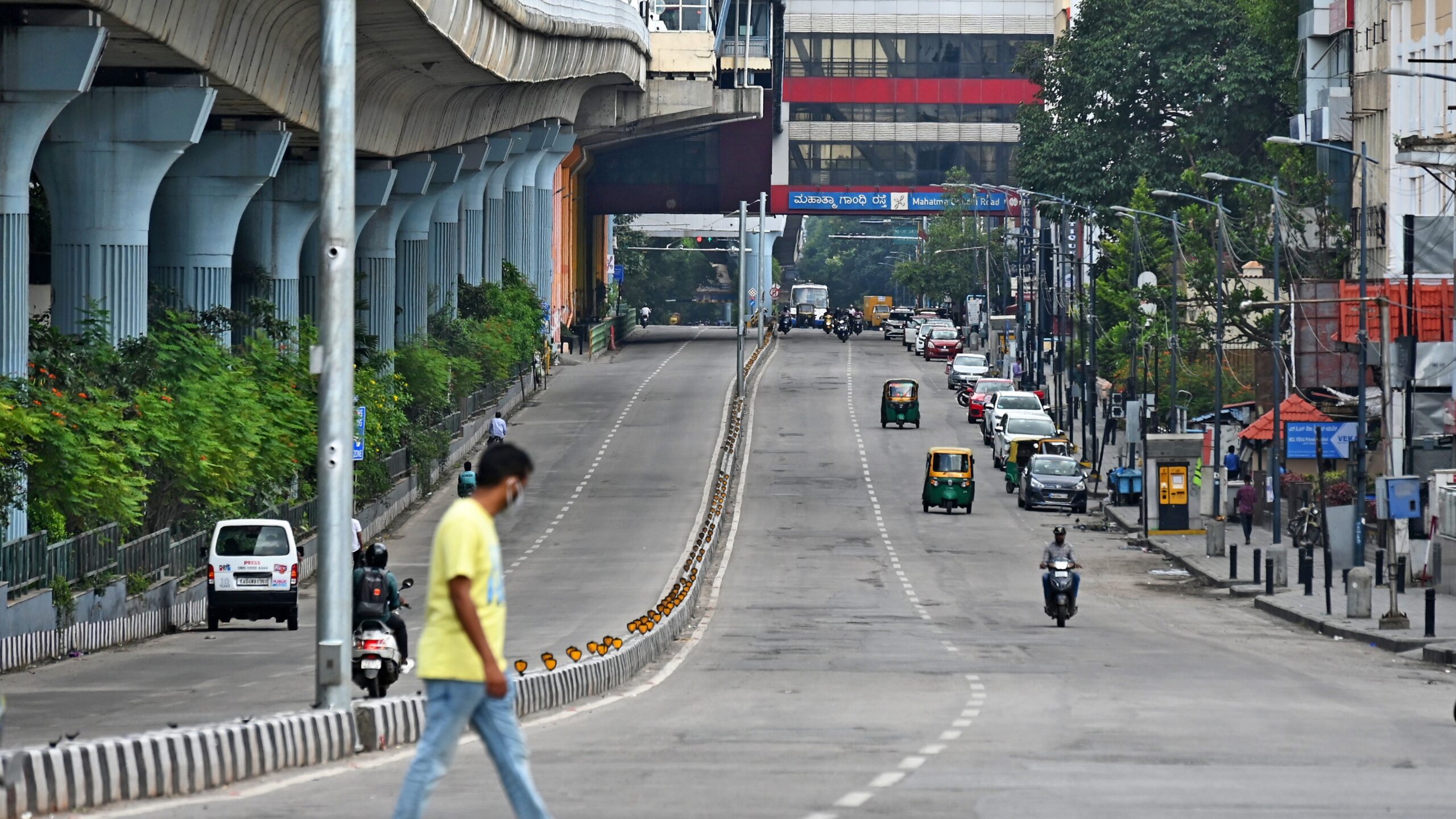
Bengaluru commuters should anticipate notable traffic adjustments as the city undertakes major resurfacing along MG Road, a primary artery in the Central Business District. The civic authority has scheduled the upgrade of a 2.2-kilometre stretch connecting Trinity Circle and Cubbon Park Police Station Circle, aiming to enhance road durability and urban mobility. Preparatory operations are set to commence on the evening of March 4, signalling the start of a 15-day infrastructure intervention.
Urban planners highlight that MG Road is a vital corridor for both commercial activity and daily commuting, making its maintenance critical to sustaining economic efficiency. The resurfacing approach will prioritise evening operations to reduce peak-hour disruption, with incremental milling and debris clearance allowing continued vehicle movement in the early phase. Traffic management authorities anticipate more significant diversions only during the asphalting stage, reflecting a phased strategy that balances infrastructure renewal with minimal civic disturbance.
This project forms part of a broader Rs 25 crore urban infrastructure package aimed at upgrading seven key city roads. Originally, a white-topping plan was proposed, but traffic authorities withheld approval due to potential prolonged closures and congestion risks. Similarly, utilities boards abandoned plans to replace ageing water pipelines along the corridor, citing the accelerated construction timeline. Analysts note that such adaptive planning underscores a pragmatic approach to urban road management, where delivery schedules, utility coordination, and traffic continuity must be carefully balanced. Simultaneously, Bengaluru traffic authorities have enacted a temporary closure on the road leading to Bangalore University’s Jnanabharathi campus from Mysore Road. The closure, effective from the evening of March 4 until noon on March 5, facilitates the replacement of steel girders on a key railway bridge. Alternative routes have been designated, rerouting vehicles via adjoining junctions and ring roads to maintain connectivity. Urban mobility experts emphasise that such short-term diversions, though disruptive, are necessary for the long-term resilience of critical transport infrastructure.
The dual initiatives reflect the city’s growing focus on sustainable, climate-resilient transport networks. Road resurfacing not only extends asset life but also mitigates vehicle emissions linked to poor road conditions, while coordinated bridge repairs prevent future bottlenecks in commuter and goods movement. Experts suggest that continued investment in strategic road upgrades, combined with real-time traffic management, is essential to Bengaluru’s goal of inclusive, people-first urban mobility and equitable economic access. As Bengaluru navigates these interventions, citizens and businesses alike must adapt to temporary disruptions. Looking ahead, such projects may set benchmarks for integrating urban infrastructure development with climate-sensitive planning and efficient traffic governance, ensuring that high-density commercial corridors remain both functional and resilient.