Punjab Allows Transfer Of Municipal Properties For Public Use
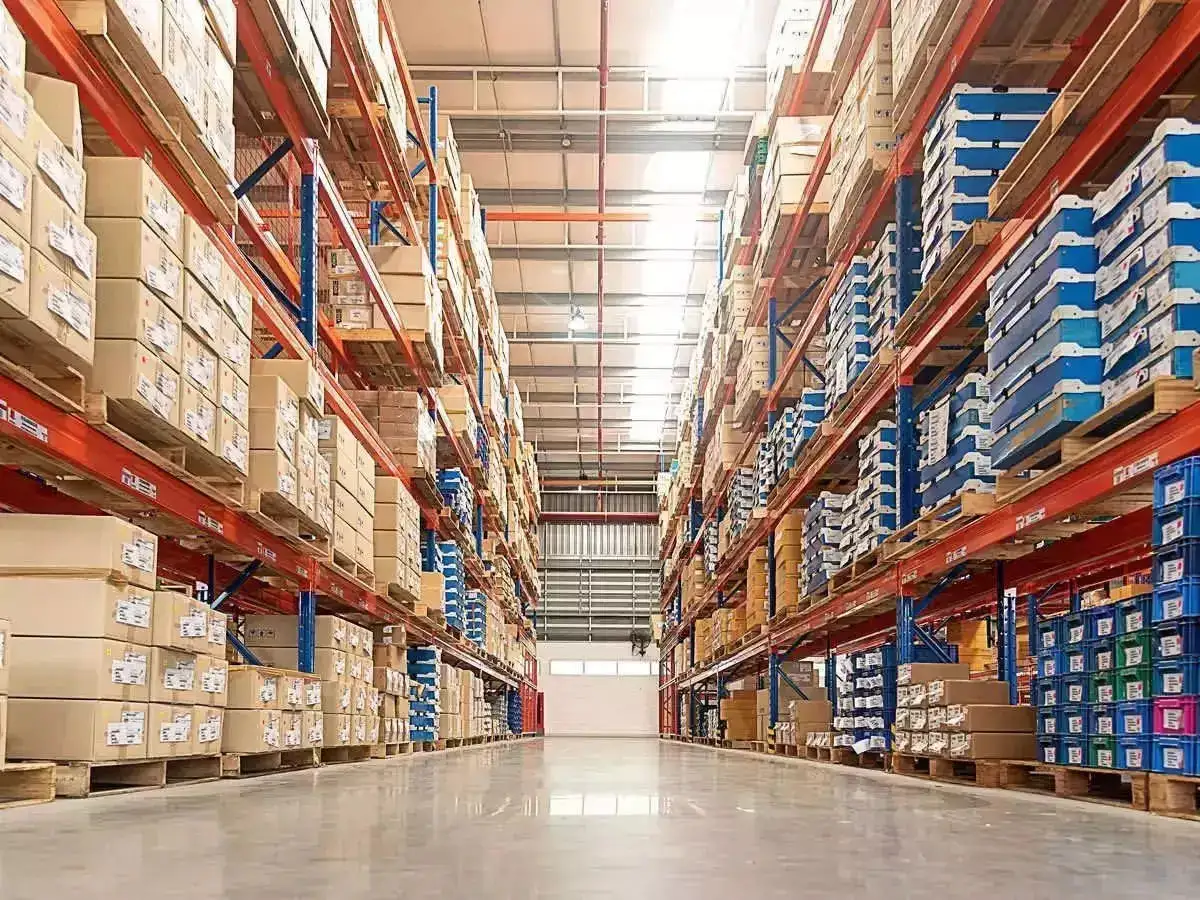
DELHI NCR — The National Capital Region’s logistics and industrial real estate market is approaching a new milestone as warehousing stock in the region is projected to surpass 120 million square feet within the year, reflecting the rapid expansion of India’s supply chain infrastructure and the region’s growing role as a logistics hub.
Industry analysts attribute the growth to strong demand from e-commerce, third-party logistics providers and manufacturing sectors, which continue to drive large-scale warehouse development across the metropolitan region. Market data indicates that Delhi NCR’s warehousing inventory has expanded steadily over the past few years. Research from property consultants suggests the region’s logistics stock was expected to cross roughly 108–109 million square feet by 2025, supported largely by institutional investment in modern Grade-A facilities. With new supply under construction and strong absorption levels, the market is now expected to move closer to the 120-million-square-foot threshold. One of the most active corridors for warehouse development lies along the Delhi–NH8 logistics belt, which includes Gurugram and adjoining industrial zones. This stretch benefits from direct highway connectivity and proximity to major consumption centres in Delhi, making it attractive for large distribution hubs. Other emerging submarkets include the Faridabad–Palwal and Ghaziabad–Noida clusters, which have seen increasing logistics investments as companies seek diversified supply chain networks across the NCR.
The expansion of logistics infrastructure is closely tied to major transportation projects that are reshaping regional connectivity. Freight corridors such as the Western Dedicated Freight Corridor (WDFC) and the Eastern Dedicated Freight Corridor (EDFC), along with industrial corridors like the Delhi–Mumbai Industrial Corridor (DMIC), are improving freight movement efficiency between production centres and consumer markets. These upgrades have encouraged developers to invest in larger, more technologically advanced warehouses designed to meet international compliance and operational standards. Demand patterns in the sector highlight the dominance of logistics service providers. Third-party logistics firms account for the largest share of leasing activity, followed by companies in electronics, engineering, fast-moving consumer goods and e-commerce sectors. Occupiers increasingly prefer Grade-A warehouses, which offer higher ceiling heights, automated storage systems and improved energy efficiency compared to older facilities.
Strong leasing activity across India’s industrial real estate sector underscores the sector’s momentum. Industrial and warehousing space leasing across the country’s major cities has surged in recent years, with the Delhi-NCR region emerging as one of the top performers due to its large consumption base and strategic geographic location. Urban development specialists point out that the expansion of warehouse infrastructure has broader implications for city planning. Large logistics parks create employment opportunities, stimulate ancillary industries such as packaging and transport, and support faster last-mile delivery systems for consumers. At the same time, planners emphasise the need for balanced development that integrates logistics hubs with transport infrastructure, environmental safeguards and sustainable land-use policies.
Looking ahead, analysts expect the NCR warehousing market to remain on a strong growth trajectory as India’s supply chains continue to modernise. With logistics efficiency increasingly central to economic competitiveness, the region’s expanding warehouse footprint is likely to play a pivotal role in supporting both domestic consumption and global trade flows.