Patna Metro Restarts Afternoon Services Post Festival
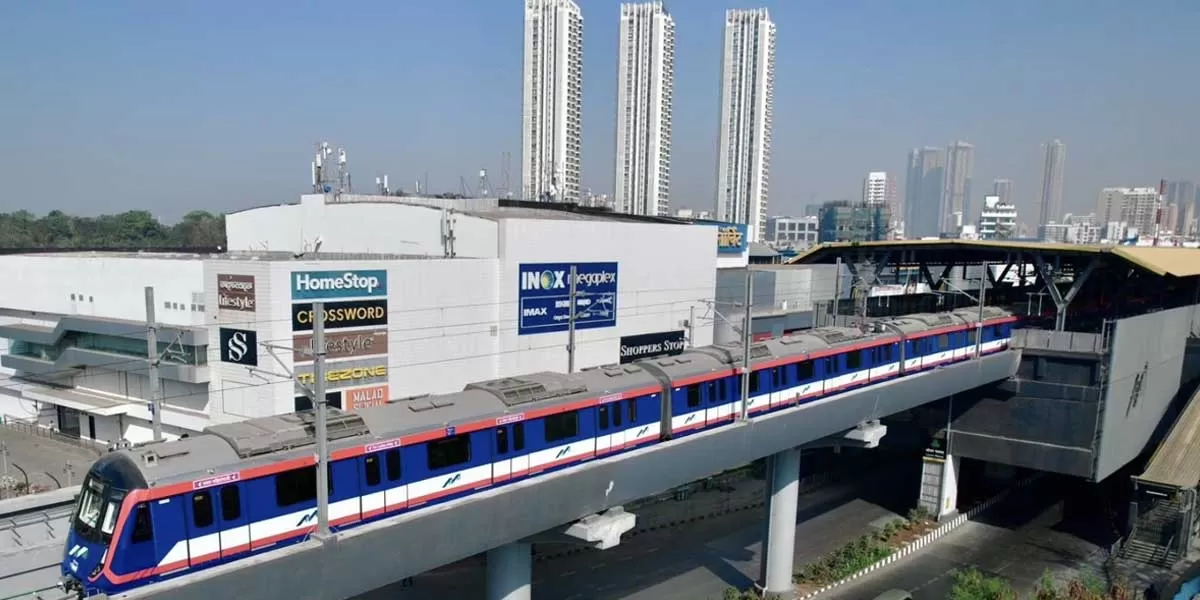
Patna’s urban rapid transit system adjusted its operations on Wednesday after a temporary suspension of morning services to manage safety and crowd dynamics during Holi, resuming train departures in the afternoon from the Pataliputra Bus Terminal.
The schedule change underscores how major transit infrastructure must remain adaptive during significant cultural events in India’s emerging metro cities, balancing commuter needs with public safety and service reliability. The Patna Metro Rail Corporation Limited (PMRCL) said the decision to pause morning metro operations on March 4 was made in consultation with city authorities to reduce congestion and potential hazards associated with Holi festivities. Services restarted at 2:30pm, aligned with standard afternoon peak travel, and continued on a normal timetable thereafter. Urban transport planners describe such proactive schedule adjustments as critical to maintaining rider confidence and safety in dense cities where large public gatherings could strain transport networks. “Midday service pauses during cultural festivals are not unique to Patna,” said a senior transport official with experience in multiple metro systems.
“They are effective when coordinated with broader urban safety strategies, including traffic management and emergency response planning.” From an operational perspective, the resumption of service from Patliputra Bus Terminal — a key node on the metro’s Blue Line — signals continuity in phased expansion. The priority corridor between Pataliputra and Bhootnath opened in late 2025 and has since been central to building ridership and integrating mass rapid transit into Patna’s transport ecosystem. City residents expressed mixed reactions to the adjusted timetable. Some daily commuters appreciated the clarity and planning, noting that predictable service windows allow them to rearrange travel plans and work schedules effectively. Others said earlier communication and greater public awareness efforts would help those who rely on metro services during festive mornings, such as vendors and informal workers whose mobility patterns differ from 9-to-5 office commuters.
Beyond scheduling, the Holi holiday presented an opportunity for authorities to test passenger information systems and crowd management protocols in real time. Expanding metros in Indian cities increasingly need robust public communication strategies, including real-time signage and mobile alerts, to ensure commuters are not inconvenienced when services vary from regular routines due to special circumstances. The public safety element extended beyond transport. District officials also issued advisories for healthcare readiness during Holi, with emergency services operating across major hospitals to handle anticipatable injuries associated with colour celebrations. While outpatient services were paused, trauma and emergency wards remained active, reflecting a city-wide coordination between transport and public health systems.
Looking ahead, Patna’s metro system is poised for further expansion later in March, with new stations expected to open on extended corridors pending safety clearances. These extensions will deepen sustainable mobility options and help mitigate road congestion in one of the fastest growing urban agglomerations in eastern India. Effective integration of festival-aware operational planning with transit expansion goals will remain crucial as ridership grows and the network scales.