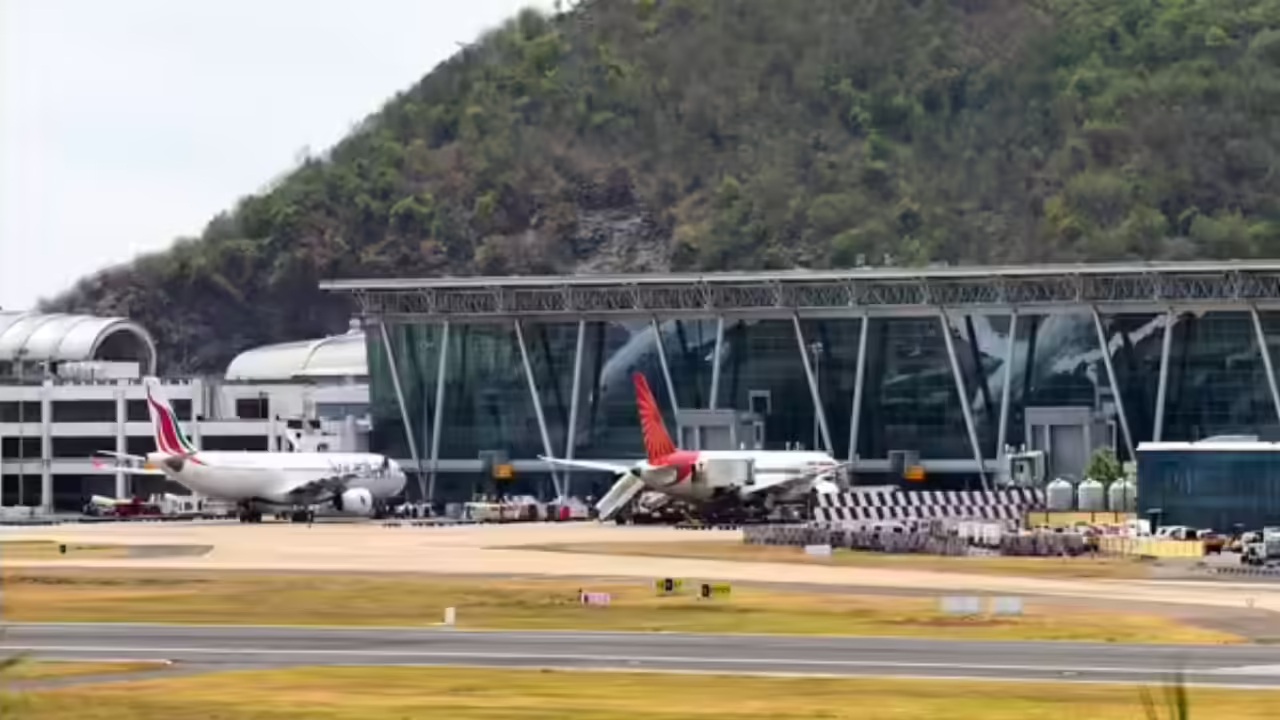
An Emirates service bound for Dubai was forced to turn back to Chennai in the early hours of Tuesday after authorities in the United Arab Emirates abruptly suspended operations in Dubai’s airspace amid escalating hostilities in West Asia. The incident, involving 60 people on board, underscores how geopolitical instability continues to ripple through Indian gateway cities that rely heavily on Gulf connectivity.
The aircraft departed Chennai International Airport shortly before 4 am but reversed course over the Arabian Sea after receiving notification that Dubai had halted inbound traffic. It returned safely a few hours later. Airport officials confirmed that passengers have been temporarily accommodated in city hotels pending clarity on when Dubai airspace closure restrictions will ease. Chennai is one of southern India’s busiest international nodes, with strong labour, trade and tourism links to the Gulf. Flights to the UAE support not only migrant worker mobility but also cargo flows tied to construction materials, electronics and perishables. Even a short Dubai airspace closure disrupts schedules, strains airport logistics and places financial pressure on carriers operating tight turnaround cycles.
Industry observers note that this is the second operational halt in days linked to renewed tensions involving Israel, the United States and Iran. Limited services had resumed briefly before the latest suspension. A senior aviation consultant said unpredictable closures complicate crew rostering, fuel planning and airport slot management across Indian metros. For urban economies such as Chennai, aviation stability is closely tied to real estate, hospitality and export performance. International passenger traffic feeds demand for airport-adjacent commercial spaces, warehousing and logistics parks. When routes are interrupted, hotel occupancy patterns shift abruptly, and freight operators face cascading delays across supply chains.
The episode also highlights the need for greater resilience planning in airport infrastructure. As climate shocks and geopolitical conflicts become more frequent, aviation hubs must integrate contingency protocols, diversified routing strategies and real-time passenger communication systems. Urban planners argue that transport nodes should be designed not merely for growth but for operational flexibility under stress. While no safety incident occurred, the Dubai airspace closure serves as a reminder that global tensions can quickly affect city-level mobility networks. Chennai airport authorities indicated that services will resume once clearances are restored by UAE regulators. For now, airlines, passengers and airport operators are navigating uncertainty, a situation that reinforces the importance of resilient aviation ecosystems in sustaining inclusive economic growth across India’s globally connected cities.