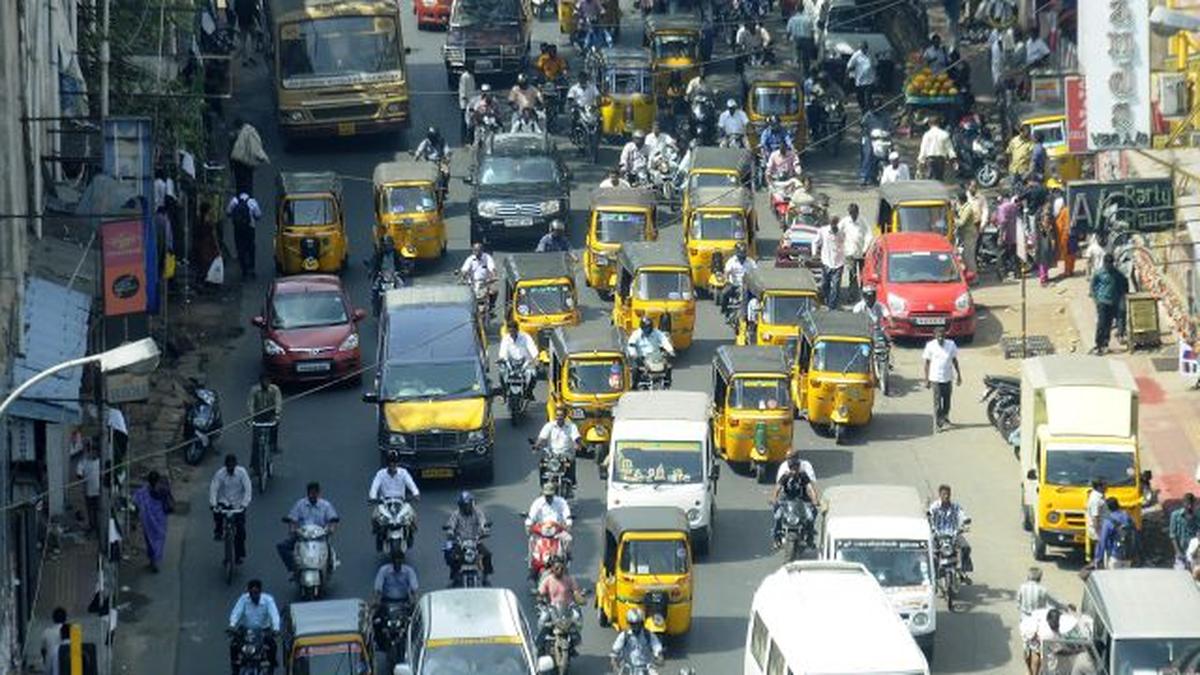
Chennai Infrastructure Upgrade Eases Poonamallee Traffic Congestion
Chennai has undertaken a significant urban infrastructure intervention along the Poonamallee–Porur corridor, removing over 3,200 longstanding encroachments to improve traffic flow and support upcoming Metro rail operations. The 14.6-kilometre stretch, a vital artery connecting the city’s western suburbs, has long been constrained by illegal building extensions, pavement stalls, and roadside vendors, limiting its effective width and contributing to chronic congestion.
Urban planners note that the corridor, which accommodates an estimated 100,000 vehicles daily, exemplifies the challenges of balancing rapid suburban growth with sustainable transport planning. With the encroachments cleared, the highways department has initiated efforts to widen the carriageway by an additional two to three feet, an intervention expected to significantly reduce bottlenecks and enhance safety for both private and commercial vehicles.
The presence of informal commerce along arterial roads is a common urban challenge in Indian cities, reflecting both economic opportunity and regulatory gaps. Experts highlight that while informal vendors support local livelihoods, their placement on narrow roadways can exacerbate congestion, increase accident risks, and undermine broader mobility initiatives. By reclaiming road space, the city is positioning itself to integrate Metro infrastructure efficiently while maintaining inclusive access for residents and commuters. Local authorities emphasise that proper traffic management infrastructure signage, diversion boards, and clear junction markers will be critical to realising the full benefits of the clearance. Residents along the corridor have long cited daily delays, sometimes exceeding an hour, during peak periods. Urban mobility consultants note that road widening alone is insufficient unless combined with clear traffic guidance, pedestrian-friendly crossings, and enforcement of vehicle and street-use regulations.
Economically, the clearance may accelerate real estate and commercial activity along the corridor by improving connectivity between key suburban nodes and central business districts. For the construction and logistics sectors, smoother movement of heavy vehicles could reduce operational costs and time, contributing to broader urban productivity gains. Environmentally, wider roads paired with mass-transit integration could reduce idling times, lowering vehicular emissions and supporting Chennai’s low-carbon urban mobility goals. Moving forward, planners stress that sustained monitoring, community engagement, and complementary urban design interventions are essential to ensure that the corridor does not revert to congested conditions. Strategic interventions along high-density suburban stretches such as Poonamallee–Porur can serve as a model for balancing equitable urban growth, commuter safety, and climate-resilient transport planning in rapidly expanding Indian cities.