Jaipur Urban Planning Sees Shift After Rajasthan Policy Announcements
JAIPUR — The Rajasthan government’s recent policy announcements — including a broad jobs guarantee, pension reforms and a package of city renaming proposals — are poised to influence Jaipur’s urban governance priorities, public services landscape and civic identity.
While the state’s decisions encompass social welfare and political symbolism beyond municipal boundaries, the implications for one of India’s fastest-growing urban centres extend from labour markets to civic infrastructure planning. At the core of the state’s policy package is a commitment to provide 1.25 crore jobs, a move projected to reshape labour dynamics across Rajasthan’s cities and towns. For Jaipur, where services, tourism and industry sectors anchor much of the economy, this jobs push could ease urban unemployment and attract inward migration — a double-edged outcome that strengthens the city’s economic base while increasing demand for housing, transport and urban public services. City planners caution that realising these employment targets will require parallel investments in skills development, incubation centres and inclusive urban mobility systems that connect residents to jobs beyond the central core.
Pension reforms aimed at enhancing social security for millions will also have indirect urban policy implications. Expanded pension coverage can strengthen financial resilience among older residents, potentially reducing reliance on informal caregiving and health-related public expenditure. In Jaipur, where population ageing is emerging as a policy concern, aligning municipal public health services and age-friendly infrastructure — such as accessible public spaces, pedestrian networks and community health centres — will be crucial to realising social benefits alongside economic support. Yet the most visible aspect of the announcements — proposals to rename several cities and towns — has triggered debate within Jaipur’s civic circles about urban identity and administrative coherence. Although the city’s official name remains unchanged, renaming initiatives elsewhere in the state have ignited discussions on how nomenclature intersects with heritage, tourism branding and civic pride. Urban historians and planners point out that planned cities like Jaipur carry deep institutional identities that contribute to economic positioning, real estate markets and cultural heritage value — factors that must be weighed against political and symbolic objectives.
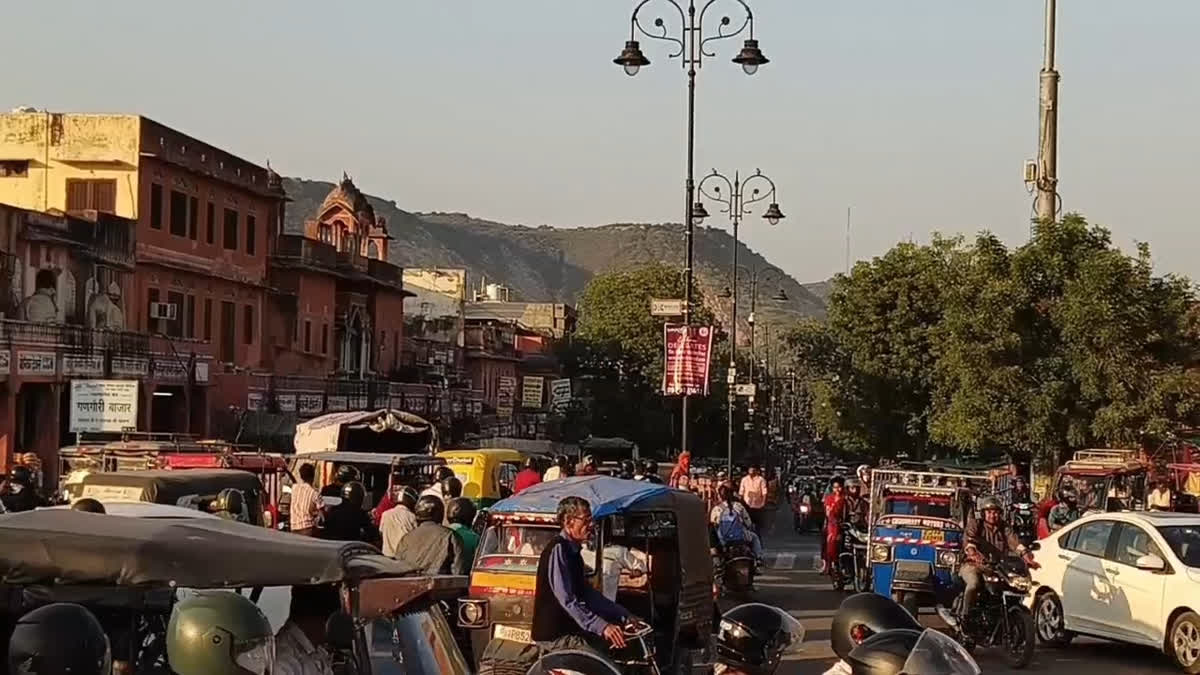
Beyond semantics, the broader policy package underscores the need for integrated planning that aligns social welfare interventions with infrastructure delivery. For example, any sustained influx of jobseekers to Jaipur will place new pressure on affordable housing stocks, public transport corridors, sanitation networks and drainage systems — all areas where municipal budgets and development plans must anticipate growth. Economic development experts note that job creation on this scale could stimulate complementary investments in small business districts and industrial parks around Jaipur’s periphery. Such expansions, if planned with climate resilience principles and mixed-use zoning, could reduce commuter burdens and catalyse equitable neighbourhood growth. Conversely, uncoordinated expansion risks exacerbating sprawl, intensifying congestion and widening service delivery gaps. The state’s emphasis on social safety nets and employment generation also aligns with national aspirations for inclusive urban development. However, realising these goals in Jaipur will require nuanced strategies that integrate municipal planning frameworks with state and central policies on skills, enterprise support and civic infrastructure.
As Jaipur’s civic departments and urban planners digest the implications of the state announcements, attention is likely to focus on aligning workforce development with transport planning, housing supply and public services delivery. How effectively these policy shifts translate into measurable improvements for Jaipur’s residents will depend on strategic budgeting, inter-governmental coordination and forward-looking planning that balances growth with sustainability.