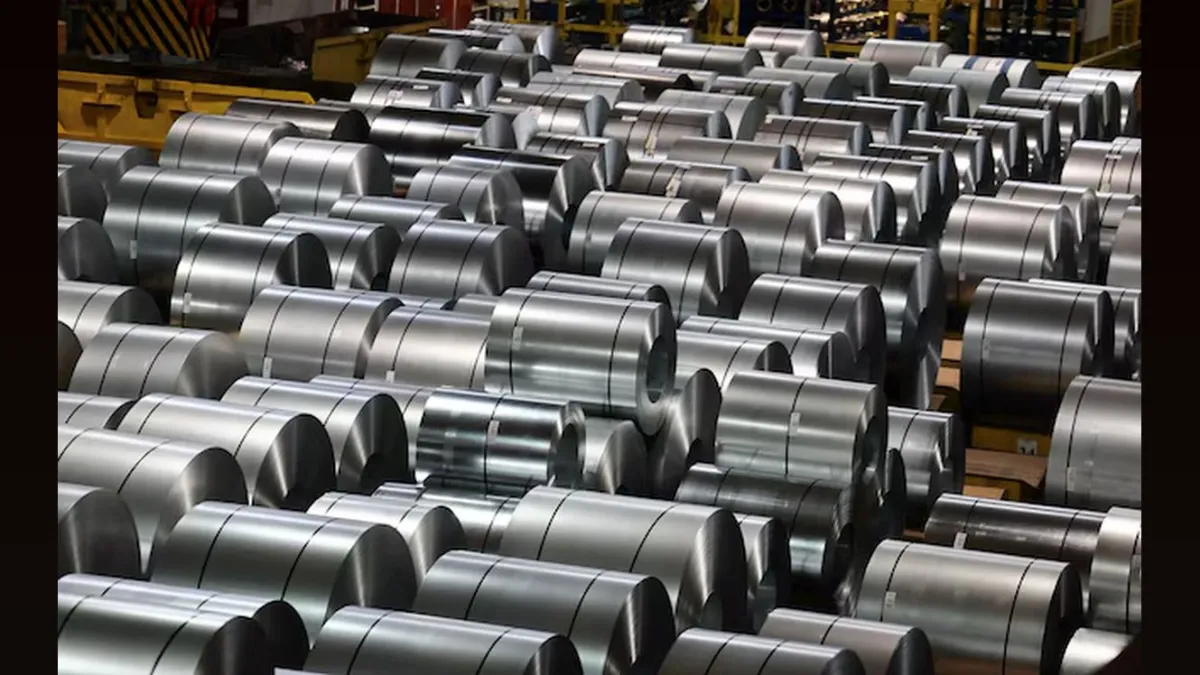
India Steel Sector Gains From Price And Demand Surge
In a bid to strengthen India’s construction research ecosystem, Indian Institute of Technology Delhi has partnered with Jindal Steel to establish a Nodal Centre of Excellence dedicated to structural steel innovation, design standards and skills development. The initiative, formalised through a Memorandum of Understanding (MoU), seeks to reshape how steel is applied in housing, bridges, tall buildings and industrial structures across the country, with long-term implications for sustainability and infrastructure quality.
Structural steel is a core building block in modern construction — offering durability, design flexibility and potential life-cycle cost advantages over traditional materials — but its broader adoption in India has been constrained by gaps in design frameworks and localised expertise. The new Centre aims to address these challenges by positioning research at the intersection of academia, industry practice and real-world construction demands.At the heart of the partnership is a commitment to modernise codes and standards. Current design norms in many Indian states lag behind global practices that account for performance-based engineering, multi-hazard resilience, and climate-adaptive features such as low-damage systems under seismic or extreme weather loads. By re-evaluating and updating design methodologies, the Centre aspires to help developers build structures that are safer, more durable and responsive to local environmental conditions.
Industry observers see this as a timely intervention. India’s urban expansion — across both major metros and fast-growing tier-two cities — is driving demand for materials and techniques that can accelerate delivery without compromising safety or sustainability. Structural steel, particularly high-strength and performance-oriented grades, can deliver on these fronts if coupled with appropriate design intelligence and workforce proficiency.The Centre, which will serve as a translational platform connecting research findings with fabrication practices and field applications, is also designed to be a catalyst for capacity building. Engineers, architects and site professionals will be able to access updated technical resources, training programmes and design support services — tools that can raise the baseline competency across India’s construction supply chain.
A hub-and-spoke model will expand the reach and impact of this collaboration, with several premier technology institutes contributing expertise, outreach and curriculum development. Such coordinated networks can accelerate the cross-pollination of ideas, reduce regional disparities in technical knowledge, and build a larger community of practice equipped to tackle complex structural challenges.Beyond technical research, the focus on skills and knowledge transfer is significant for India’s workforce. As construction activity grows, delivering resilient urban infrastructure will increasingly depend on a labour force that can interpret advanced design principles, adopt best practices and implement new technologies on the ground. This aligns with broader national goals of enhancing employability and fostering innovation-ecosystems allied to industrial growth.
The partnership also highlights how industry-academia coalitions can help bridge gaps between production capacity and performance-oriented application. India has expanded its structural steel manufacturing capabilities in recent years, but unlocking the full potential of these materials requires systemic support — from code modernisation and research breakthroughs to professional upskilling and practical deployment frameworks.
As the Centre begins operations, its influence will be measured not just by research outputs but by the degree to which it nurtures safer, more sustainable and resilient construction methodologies in Indian cities. With infrastructure demands mounting and climate-related risks rising, such innovation hubs could become integral to national efforts to build smarter, more equitable urban environments.