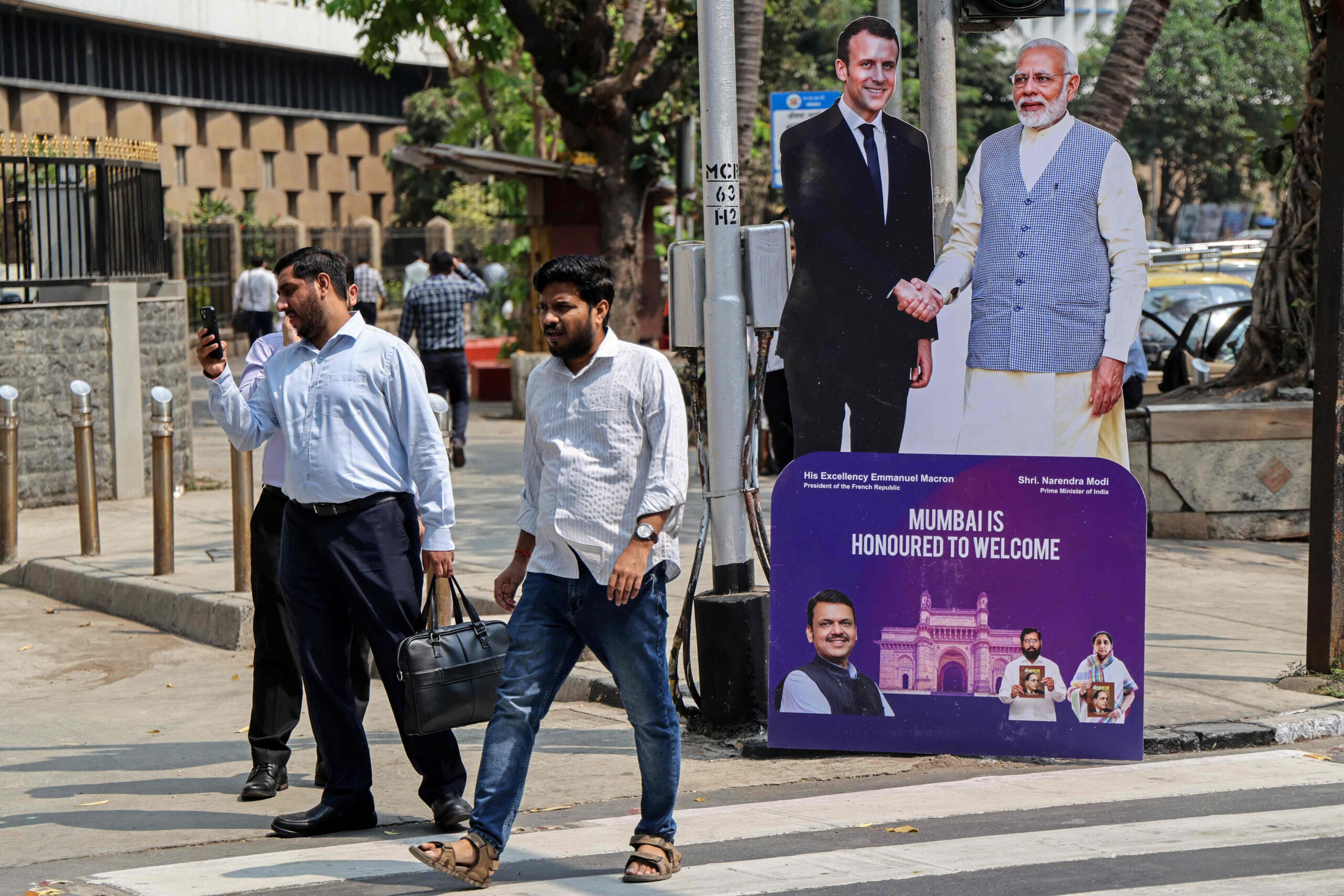
Large sections of Mumbai are operating under heightened traffic controls today as the city accommodates a high-security diplomatic programme involving senior national and international leadership. Authorities have imposed time-bound restrictions across South Mumbai and select arterial corridors, underscoring the recurring challenge of balancing global engagements with everyday urban mobility in India’s financial capital.
According to officials overseeing traffic management, vehicle movement is being regulated from early morning to late evening along routes connected to official convoys and event venues. The measures include selective road closures, diversions and parking prohibitions, with the most visible impact expected in South Mumbai’s heritage precincts and stretches of the Western Express Highway—one of the city’s most heavily used north–south connectors. Urban mobility experts point out that while such advisories are routine during VVIP visits, their citywide ripple effects are significant. Extended restrictions often shift congestion to parallel roads, lengthen commute times and disrupt freight and service movement. For a metropolis already grappling with peak-hour saturation, even a single day of altered traffic flow can translate into economic losses and increased vehicular emissions.
Officials from the Mumbai Traffic Police said additional personnel have been deployed at major junctions to manage diversions and assist motorists. Real-time coordination with civic agencies and public transport operators is also being prioritised to prevent gridlock. Heavy vehicles, in particular, face limitations on specific highway segments during designated hours to maintain convoy security and reduce bottlenecks. The advisory coincides with a major international engagement linked to collaborative initiatives between India and France, with events scheduled at prominent waterfront and institutional venues. Areas surrounding the Gateway of India are expected to see the highest concentration of restrictions during afternoon and evening hours, prompting authorities to recommend alternative routes and public transport wherever feasible.
From a planning perspective, repeated disruptions raise questions about how global cities can host high-profile diplomacy without overburdening daily life. Urban planners argue that long-term solutions lie in strengthening mass transit reliability, expanding flexible work policies and improving digital traffic communication so residents can adapt travel decisions in real time. Today’s traffic advisory also highlights the importance of resilient urban design. Cities with well-distributed commercial hubs and robust public transport networks are better equipped to absorb such shocks. Mumbai’s expanding metro network and suburban rail system offer partial relief, but last-mile connectivity and pedestrian access remain critical gaps during restricted movement.
As restrictions ease later tonight, authorities are expected to gradually restore normal traffic patterns. For commuters, the episode serves as a reminder that urban efficiency is not only about infrastructure scale, but also about how seamlessly cities manage exceptional events while keeping everyday mobility functional.
Mumbai Daylong Traffic Curbs Announced For Modi Macron Visit Today