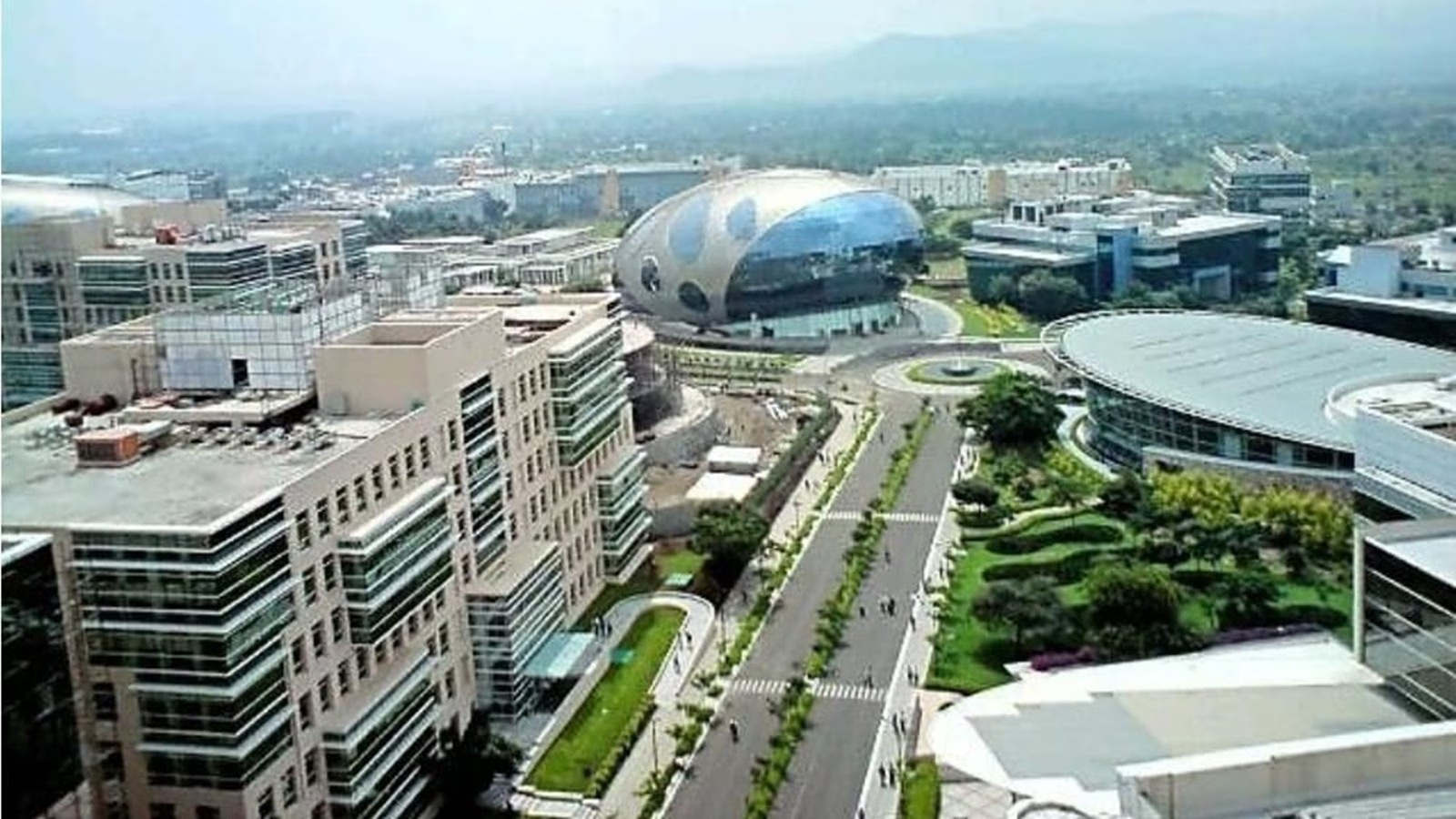
Pune’s emerging industrial landscape is set for a strategic shift as a local manufacturing facility transitions from construction to operational readiness, focusing on defence drones and solar panel production. The development signals a move from infrastructure investment to revenue generation, positioning the city as a growing node in India’s defence and renewable energy sectors. Urban and economic planners note that such facilities could influence local employment, technology clusters, and sustainable industrial growth.
The facility is designed to accommodate both renewable energy and unmanned aerial vehicle (UAV) production. In the solar sector, machinery installation has been completed, with trial runs now underway to validate manufacturing processes. For the defence segment, the plant will initially assemble imported semi-knocked-down (SKD) drone kits, with a structured plan for localisation and full-scale production by March 2026. Industry analysts highlight that combining renewable energy and defence manufacturing under one roof reflects a strategic approach to utilising urban industrial space efficiently while diversifying revenue streams.
Procurement agreements indicate the facility will handle Medium Altitude Long Endurance (MALE) UAVs capable of carrying payloads of up to 80 kilograms, alongside loitering or kamikaze drones. These additions aim to complement India’s broader push for domestic defence production under self-reliance initiatives. Experts suggest that this phased approach, moving from assembly to indigenisation, is critical to building competitive capabilities in a sector dominated by established players. In the context of solar manufacturing, the facility benefits from favourable national policies including production-linked incentives (PLI), which support increased domestic output and innovation in renewable energy. Urban energy planners emphasise that local solar production can accelerate the adoption of distributed energy solutions, supporting city-level climate resilience goals while creating green jobs.
Despite the promising outlook, execution risks remain. Smooth integration of imported components, scaling of production, and competition from entrenched defence and solar manufacturers could affect the pace at which the facility contributes to revenue. Supply chain resilience, workforce training, and technology adaptation will be crucial for timely commercialisation. Analysts indicate that monitoring initial production outputs and localisation progress over the next few quarters will provide clear indicators of the plant’s market impact. For Pune and similar urban-industrial hubs, the operationalisation of such facilities underscores the intersection of economic opportunity and sustainable urban development. By fostering domestic defence manufacturing and renewable energy production, these initiatives can support equitable growth, technology clusters, and a low-carbon industrial base, reflecting the city’s evolving role in India’s strategic industrial ecosystem.