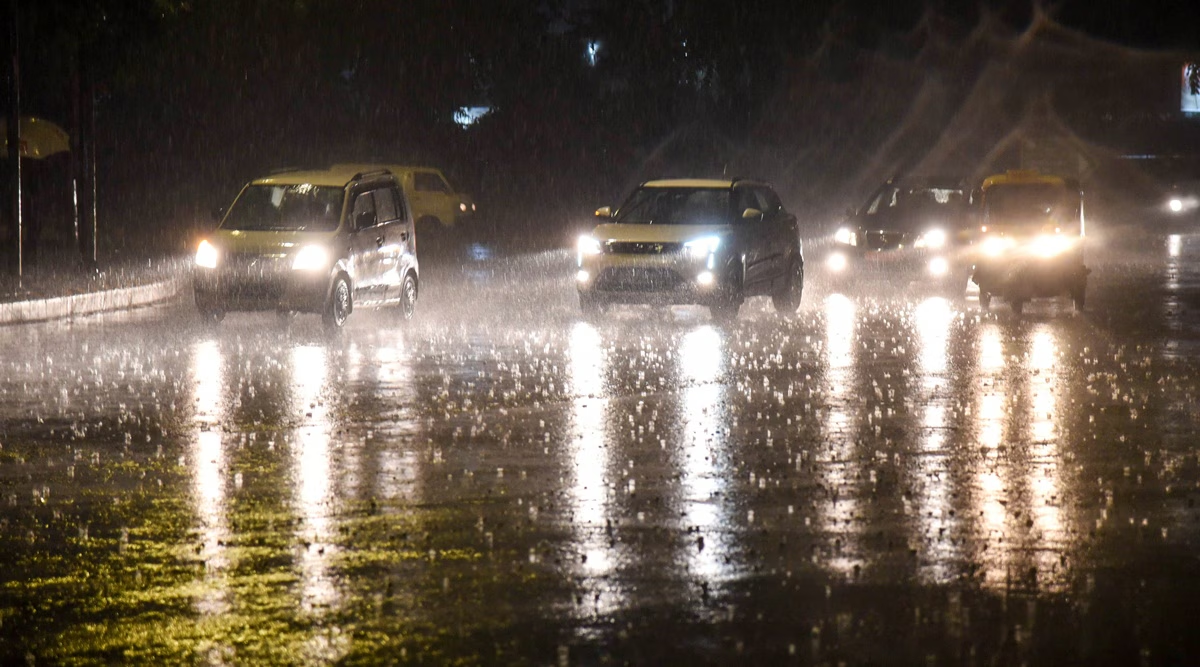
A fresh western disturbance is set to influence weather patterns across North India this week, bringing a Delhi rain forecast that could extend winter-like conditions for several more days. According to the national weather agency, light rainfall and increased cloud cover are expected midweek, with no severe weather alerts currently in place. For cities already balancing air quality concerns and rising pre-summer temperatures, even modest precipitation carries broader urban implications.
Meteorological officials indicate that the system, approaching via the Himalayan belt, will primarily affect higher altitudes before triggering scattered showers across parts of Delhi-NCR, Punjab, Haryana, Rajasthan and western Uttar Pradesh. While rainfall intensity is expected to remain low, cloud build-up and cooler winds may temporarily moderate daytime temperatures.Urban planners note that a brief spell of rain can have mixed effects in dense metropolitan regions. On one hand, moisture and wind shifts may help disperse particulate pollution, offering short-term relief from stagnant air conditions common during late winter. On the other, poorly drained stretches, ongoing construction zones and traffic bottlenecks can quickly turn light showers into mobility disruptions.
The current Delhi rain forecast also arrives during a transitional period for the real estate and infrastructure sectors. Construction schedules, particularly for high-rise housing and road projects, often rely on predictable dry windows. Even intermittent rainfall can affect curing cycles for concrete and delay exterior finishing work. Developers typically factor such western disturbances into planning calendars, though climate variability has made seasonal forecasting less precise. Agricultural markets across Punjab and Haryana are also monitoring the system closely. Light rain at this stage of the rabi crop cycle can be beneficial, improving soil moisture without causing lodging or crop damage. However, excessive precipitation or hail not predicted at this stage would alter that balance. Commodity traders and logistics operators are watching temperature trends, as forecasts suggest a gradual warming after the disturbance passes.
Climate researchers point out that western disturbances, winter storm systems originating over the Mediterranean region, are becoming more erratic in frequency and intensity. While this week’s episode appears mild, long-term modelling shows shifting patterns that could affect water security, urban flooding risks and heat stress cycles in North India. For residents, the immediate impact of the Delhi rain forecast will likely be limited to overcast skies, occasional showers and slightly cooler evenings.
Transport agencies advise commuters to monitor updates, particularly during peak hours when reduced visibility and wet surfaces can slow traffic.
As North India moves toward spring, this weather system underscores a larger reality: cities must adapt not only to extreme climate events but also to subtle seasonal shifts that influence energy demand, construction timelines and public health. Monitoring and preparedness, rather than alarm, remain the key response to this week’s changing skies.
Delhi Rain Forecast Amid Western Disturbance