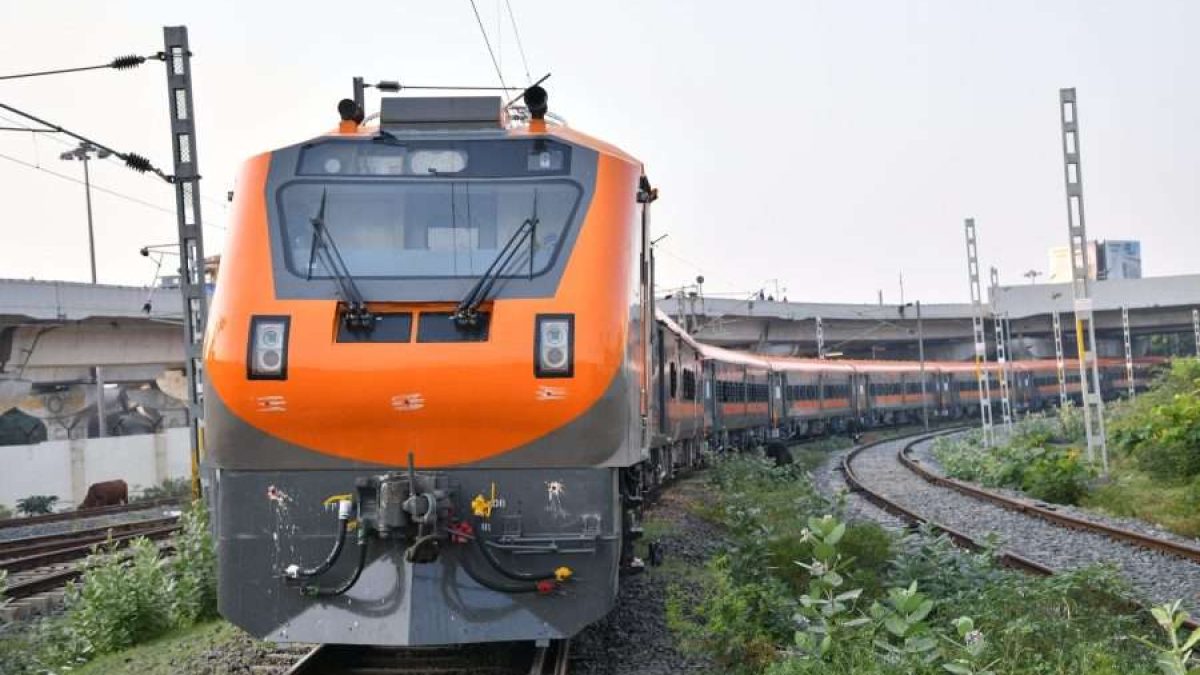
Delhi’s rail network is preparing for one of its busiest travel windows of the year, with Northern Railway scheduling up to 1,500 Holi special trains to manage the seasonal surge in passenger movement. The expanded operations, covering routes from the capital to Uttar Pradesh, Bihar, Punjab and Jammu & Kashmir, aim to reduce waitlists and ease pressure on regular services during the festival period.
Railway officials indicate that the number of additional trips represents a marked increase over last year’s festive deployment, reflecting both rising demand and improved operational capacity. The focus remains on corridors linking Delhi with Lucknow, Varanasi, Barauni, Gorakhpur and Ayodhya regions that witness significant outbound travel from the National Capital Region during Holi.Several reserved special services have been slotted between New Delhi and Lucknow, alongside daily links between Varanasi and the capital during the peak travel window. Additional departures are also planned from Anand Vihar towards destinations in north Bihar, while pilgrimage routes to Shri Mata Vaishno Devi Katra and Ayodhya have been reinforced on select dates.
Rail planners say the Holi special trains are structured to accommodate a mix of passenger segments, with combinations of air-conditioned, sleeper and general coaches. Crowd management measures are being intensified at high-footfall stations such as New Delhi, Gorakhpur and Patna, where temporary holding areas and staggered entry protocols are being deployed to improve safety.For Delhi’s wider urban system, the seasonal spike underscores the capital’s role as a mobility hub for north India. Every major festival triggers a reverse migration pattern, as workers, students and professionals return to their hometowns. Transport economists note that rail remains the most energy-efficient long-distance mode, helping curb highway congestion and reduce per-capita emissions compared to road travel.
The additional Holi special trains also reflect how infrastructure planning must adapt to cyclical demand. While permanent capacity expansion through new lines and upgraded signalling is ongoing, short-term augmentation through special services offers flexibility without large capital outlay. Industry experts suggest that predictive analytics and demand forecasting are increasingly shaping such deployment decisions.
At a time when Indian cities are confronting air pollution and climate stress, encouraging mass transit for intercity travel has broader sustainability implications. Rail-based movement not only eases traffic on arterial highways but also reduces fuel consumption during peak holiday travel.Authorities are advising passengers to secure reservations early through official booking platforms, as demand is expected to intensify closer to the festival. As Delhi readies for the annual exodus, the scale of Holi special trains highlights the continuing importance of railways in supporting equitable mobility and regional economic integration.
Delhi Railways Adds Holi Special Trains