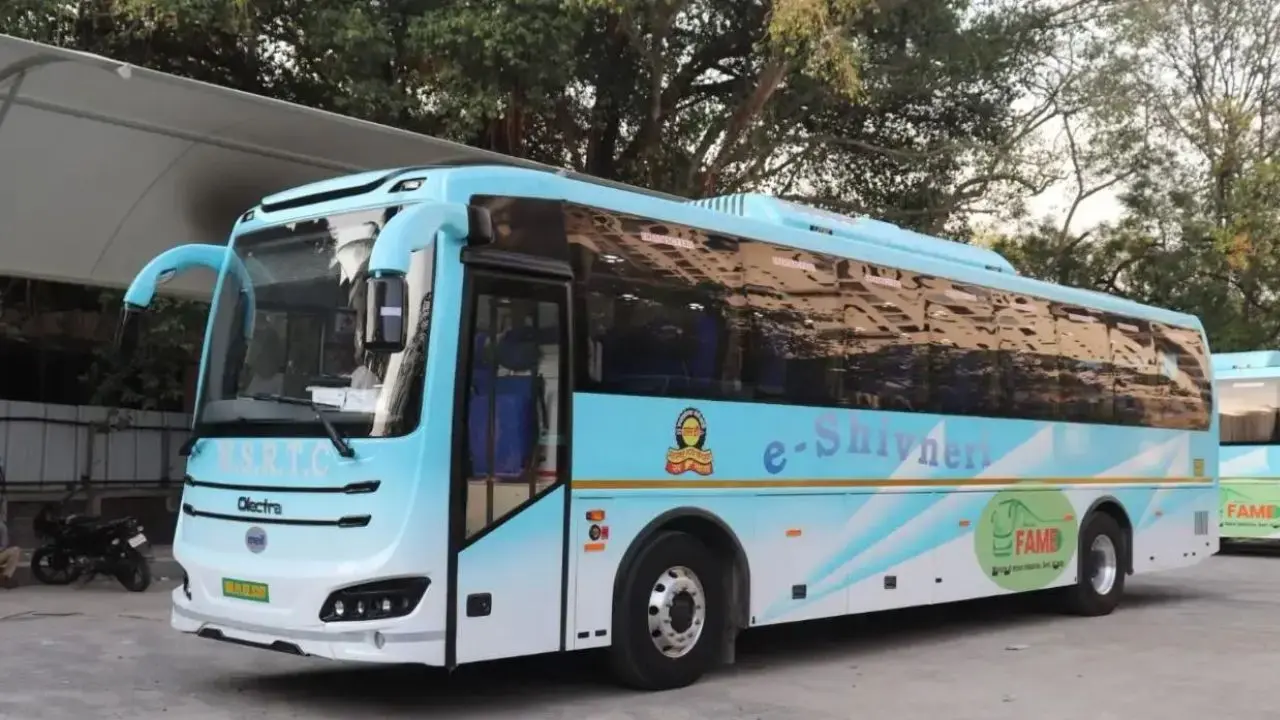
Maharashtra’s state-run bus network is preparing to introduce the National Common Mobility Card (NCMC) across its services, marking a decisive shift towards fully digital ticketing for millions of daily passengers. The Maharashtra State Road Transport Corporation (MSRTC) has confirmed that concession travellers will be required to use the card once the rollout begins, signalling a structural change in how subsidies and fares are administered statewide.
The National Common Mobility Card is designed as an interoperable payment system that can function across multiple modes of public transport. By embedding passenger credentials and fare balances into a single smart card, MSRTC aims to reduce cash handling, curb leakages in concession reimbursements and standardise data collection across its extensive bus operations, which serve urban and rural routes alike. Transport officials indicate that a statewide registration drive will begin at bus depots and designated centres. Students are expected to receive cards linked to their education identification numbers, while senior citizens, women beneficiaries and persons with disabilities will have cards connected to existing government-issued credentials. Special categories such as accredited professionals and recognised award recipients will be onboarded through divisional offices.
From a financial standpoint, the card will carry a one-time issuance cost and require users to maintain a minimum stored balance, with recharges available through electronic ticketing machines, digital platforms and authorised agents. Over 3,000 facilitators are being empanelled to support enrolment, particularly in semi-urban and rural areas where digital literacy gaps persist. On-site registration counters at bus stands are also being planned to ensure inclusion beyond metropolitan centres. Urban mobility experts note that digitised fare systems can strengthen transparency in public transport finances. Accurate tracking of concessional travel helps governments reconcile subsidy claims while enabling data-driven route planning. For a network as large as MSRTC one of India’s biggest state transport undertakings reliable ridership data can inform fleet allocation, fuel management and service frequency.
The National Common Mobility Card framework also aligns with broader climate and urban policy goals. By simplifying ticketing and reducing transaction friction, authorities hope to make bus travel more convenient, encouraging greater use of shared mobility over private vehicles. In a state where smaller towns depend heavily on buses for economic and social connectivity, smoother access to public transport can influence labour mobility and regional development.
However, implementation will require careful transition management. Digital systems must function reliably in low-connectivity zones, and grievance redress mechanisms will need strengthening to prevent exclusion of vulnerable passengers.
If executed effectively, the move could transform MSRTC from a largely cash-driven operation into a data-enabled public service platform. Beyond convenience, the National Common Mobility Card represents an infrastructural upgrade that links mobility, financial transparency and inclusive access critical pillars as Maharashtra modernises its transport backbone in a rapidly urbanising economy.
Maharashtra Bus Network Shifts To NCMC