


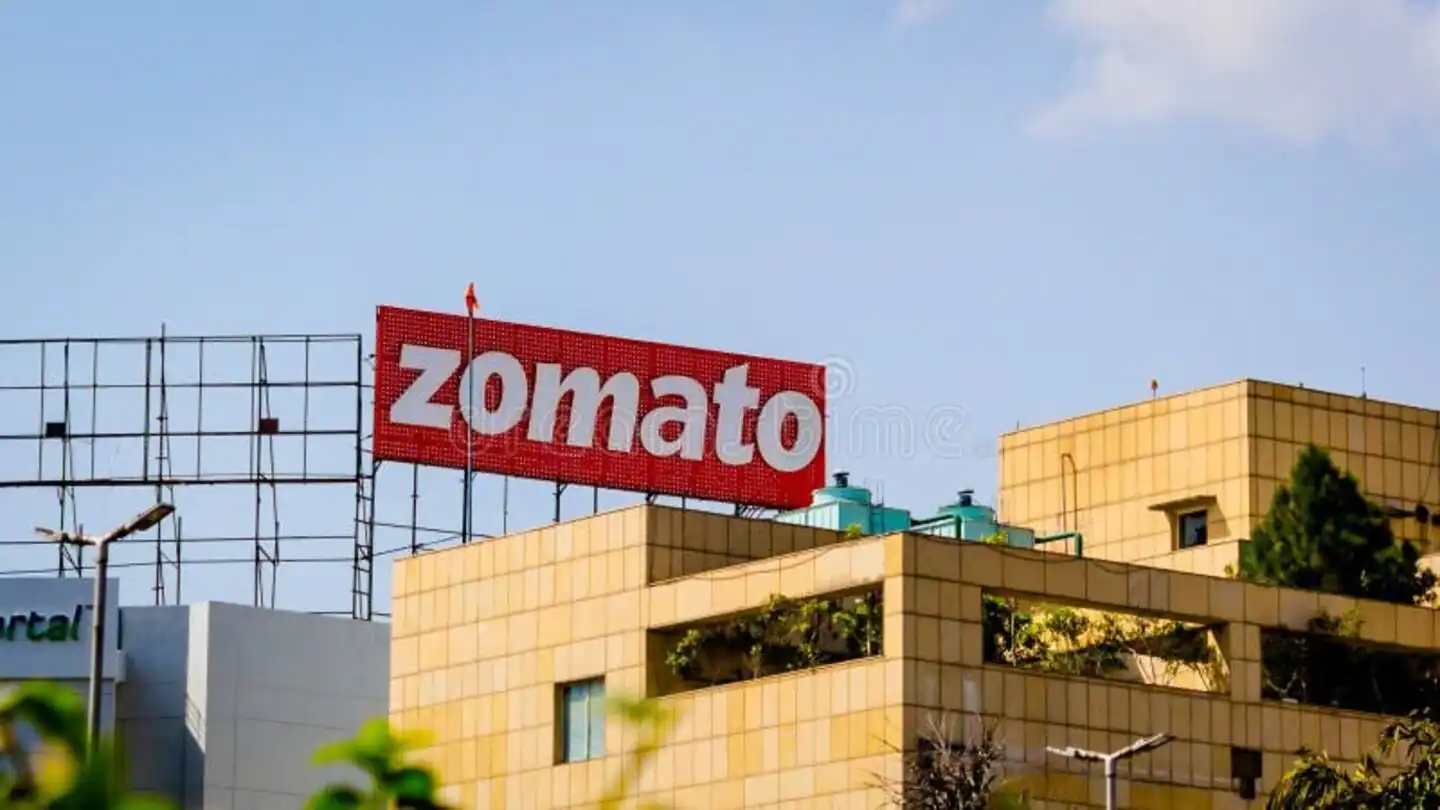
Gurugram’s commercial real estate market has recorded another large-format office leasing transaction, underlining the city’s role as a key employment and business hub within the National Capital Region. A leading food services and technology-led consumer platform has taken on a substantial office footprint at a Grade A business park in Sector 59, reinforcing sustained corporate demand for high-quality, well-connected workspaces.
The lease, covering nearly 280,000 square feet within a recently developed integrated office campus, reflects how large occupiers continue to consolidate operations in urban nodes that offer scale, infrastructure readiness and proximity to skilled talent pools. Industry observers note that such transactions carry implications beyond balance sheets, influencing daily mobility patterns, public transport usage, and the demand for surrounding housing and social infrastructure. The office campus is part of a new generation of business parks designed around efficiency, energy performance and workforce experience. Urban planners point out that clustered developments of this kind reduce sprawl by accommodating high employment density within defined transit corridors. Sector 59 benefits from improving road connectivity and its proximity to mass rapid transit routes, helping limit extended commute times and vehicular emissions an increasingly critical factor in NCR’s climate resilience planning.
Market data indicates that large occupiers are driving net absorption across India’s major cities, with demand consistently outpacing fresh supply over the past year. This imbalance has gradually tightened vacancy levels, especially in established micro-markets such as Gurugram’s Golf Course Extension Road and Sohna Road belts. Analysts say the trend reflects a recalibration of workplace strategies rather than a return to older office models, with companies favouring fewer but higher-quality locations. The Delhi-NCR region has emerged as one of the strongest office markets nationally, accounting for a growing share of leasing activity. Gurugram, in particular, continues to attract corporate tenants due to its mature developer ecosystem, availability of large floor plates and concentration of multinational firms. The presence of multiple global technology and engineering companies within the same business park ecosystem also contributes to knowledge clustering and shared urban services. From a civic perspective, sustained office absorption supports municipal revenues and employment generation, but it also places pressure on local infrastructure. Transport planners emphasise the need to align commercial growth with investments in last-mile public transport, pedestrian networks and energy-efficient buildings to prevent congestion and environmental stress.
As India’s service economy expands, Gurugram’s office market appears positioned to remain a barometer of broader economic momentum. The challenge ahead lies in ensuring that commercial real estate growth integrates seamlessly with sustainable urban planning, balancing productivity with liveability for the city’s growing workforce.
Also Read: Gurugram Elan Project Signals Premium Housing Push
Zomato Expands Gurugram Office Leasing Footprint Rapidly
