


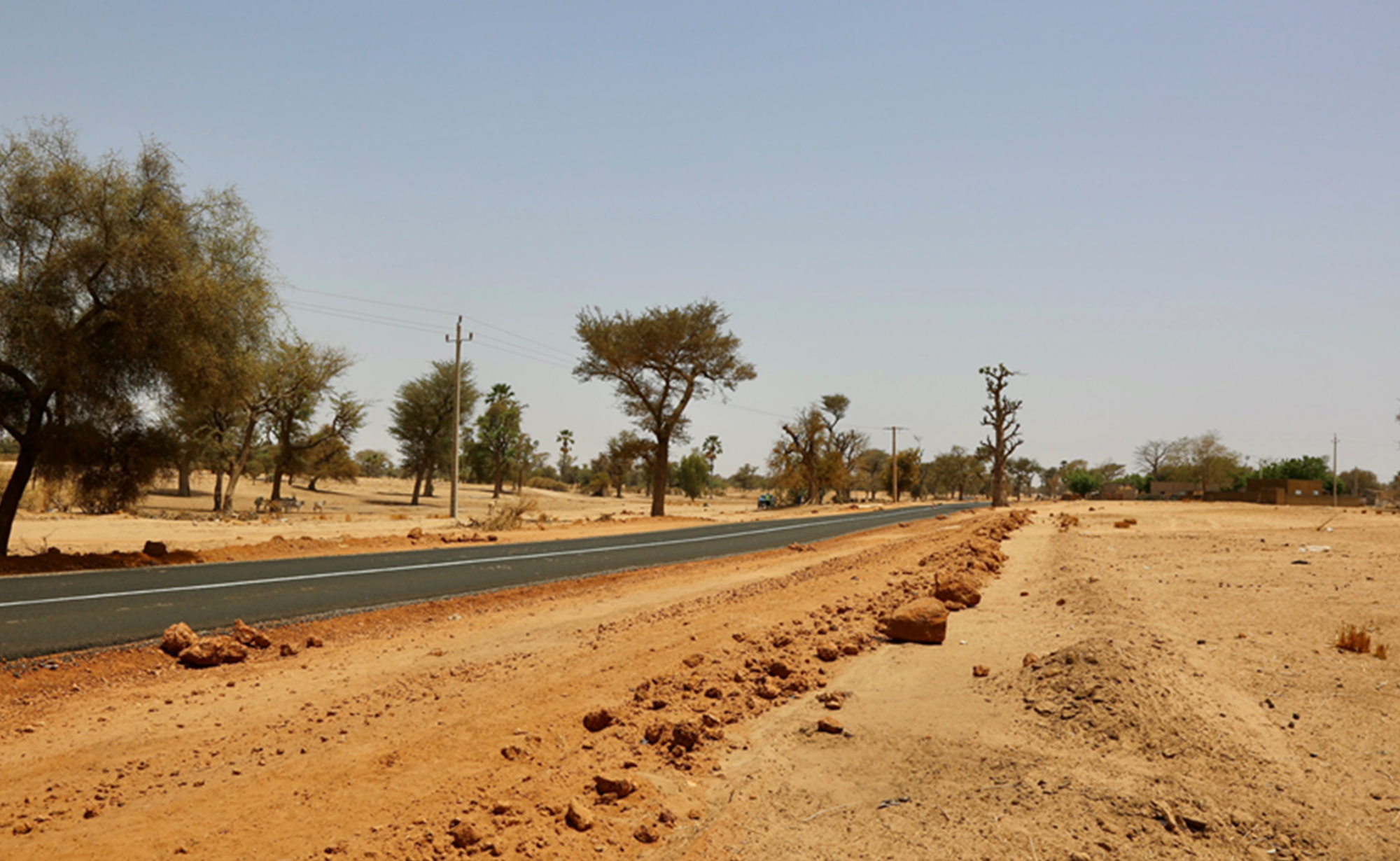
Zimbabwe has launched a pioneering coal tar-based road construction material that promises to redefine road building across the nation.
Developed through a partnership between the Ministry of Transport and Infrastructural Development, the Research Council of Zimbabwe, and Midlands State University, the project introduces a fibre-modified coal tar binder, offering a cost-effective, durable, and environmentally responsible alternative to imported bitumen. The innovative binder, manufactured at ZIMCHEM’s industrial plant in Redcliff, is set to debut on the Kwekwe-Gokwe Road this week, marking a critical live-testing phase for its large-scale application.
also read : https://urbanacres.in/pmrda-development-plan-cancelled-due-to-legal-issues/
The binder is produced using crude tar sourced from Hwange’s coking ovens combined with recycled chrysotile fibres from the Shabanie-Mashava mines, achieving a breakthrough in material engineering. Laboratory tests reveal the binder exhibits a 50 percent higher tensile strength, reaching 5.8 megapascals, and withstands thermal conditions up to 90 degrees Celsius, significantly enhancing its resilience against Zimbabwe’s harsh climatic variations. Furthermore, the innovation is financially accessible, priced at approximately US$0.70 per litre compared to the US$2.50 per litre cost of imported bitumen, a crucial development in reducing infrastructure expenditure amid growing national development demands.
Beyond technical performance, the coal tar binder addresses pressing environmental and public health concerns associated with traditional coal tar products. Advanced silicate catalysis techniques have enabled a drastic reduction in the release of polycyclic aromatic hydrocarbons, a significant step towards safeguarding workers and surrounding communities. This focus on safety and sustainability positions the innovation firmly within Zimbabwe’s broader agenda of fostering industrial self-reliance, eco-conscious growth, and revitalisation of underperforming industrial zones. With a production capacity of 150 tonnes per month, the operational ZIMCHEM facility is already supplying materials for road resealing projects, with ambitions to scale its impact nationally.
The wider implications of the project extend into employment generation and industrial rejuvenation, particularly in towns like Redcliff and Zvishavane, once grappling with economic decline. By revitalising operations at dormant sites such as the Shabanie-Mashava mines and increasing capacity at local plants, the initiative is not only improving national infrastructure but also strengthening socio-economic resilience in communities historically sidelined from mainstream development narratives. Preliminary field results suggest superior resistance to cracking and bleeding, setting the stage for broader applications, including pothole repair and the rejuvenation of recycled asphalt. Officials plan to integrate this binder more extensively into future road maintenance programmes, potentially slashing long-term costs and extending the lifespan of Zimbabwe’s vital transport networks.
The Coal Tar Project emerges as a testament to the power of collaborative innovation between Government, academia, and industry, offering a blueprint for other developing nations seeking to leverage local resources for sustainable growth. By turning research into commercially viable solutions, Zimbabwe is not only addressing its immediate infrastructure needs but also paving the way for greener, more inclusive industrial advancement. As the live trials commence, all eyes will be on the Kwekwe-Gokwe Road to witness whether this local innovation can indeed set new standards for road construction across the region.
also read : https://urbanacres.in/pune-merged-villages-set-for-new-development-plan/
Zimbabwe develops eco friendly road material

