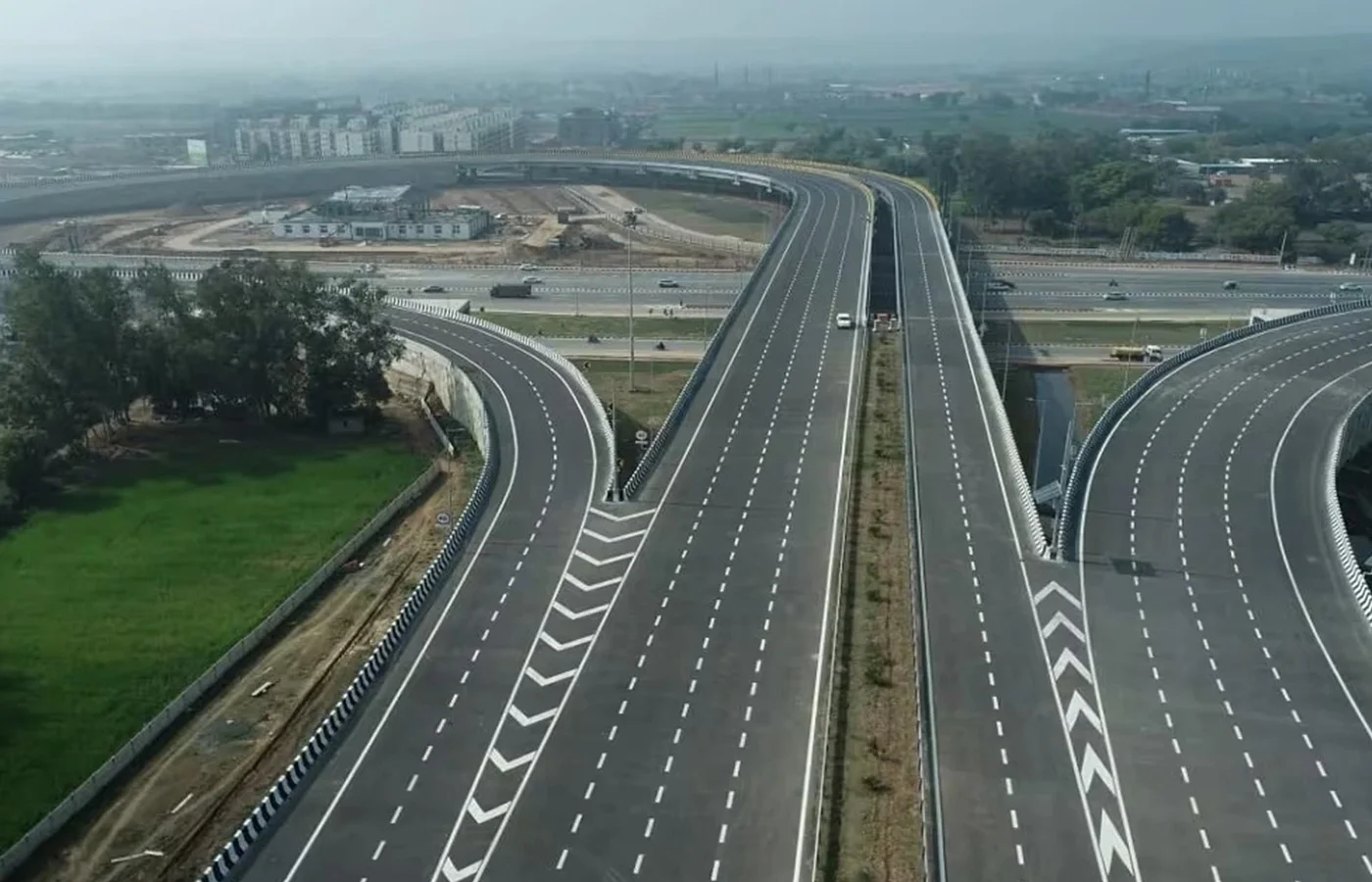
Uttar Pradesh is accelerating a coordinated industrial expansion along the Yamuna Expressway, repositioning the 165-kilometre highway as a structured growth corridor rather than a standalone transport asset. The strategy seeks to channel manufacturing, logistics, housing, and commercial development across a large swathe of western Uttar Pradesh, aligning infrastructure investment with long-term economic and urban planning goals across the National Capital Region.
State officials indicate that development along the Yamuna Expressway industrial corridor is being guided by a controlled land-use framework spanning nearly 3,000 square kilometres. The intent is to avoid the fragmented, ribbon-style urbanisation that has strained older highway corridors, instead promoting planned industrial clusters, integrated townships, and logistics zones with shared infrastructure and services. The corridor is being anchored by industrial zones administered by a dedicated development authority, which is tasked with synchronising land allocation, utilities, road access, and environmental clearances. More than 200 manufacturing units are already under construction in adjoining sectors, signalling early traction among firms seeking proximity to Delhi while avoiding congestion and high land costs within the capital.
Officials involved in the planning process point to electronics, advanced manufacturing, and logistics as priority sectors. A large semiconductor and electronics manufacturing park, spread over roughly 1,000 acres, is among the projects expected to shape supplier ecosystems along the corridor. Industry analysts say such anchor investments can create multiplier effects, drawing smaller firms, service providers, and skilled labour into the region. The upcoming Noida International Airport at Jewar is expected to further strengthen the Yamuna Expressway industrial corridor by integrating air cargo, road freight, and warehousing. Urban economists note that airport-led development, when planned alongside expressway infrastructure, can significantly shorten supply chains and improve export competitiveness, particularly for time-sensitive and high-value goods.
Beyond industry, planners are also focusing on residential and social infrastructure to support workforce migration. Integrated townships along the corridor are being designed to include housing, healthcare, education, and public transport links, an approach intended to reduce long daily commutes and support more liveable, people-first urban growth. Environmental considerations are increasingly shaping corridor planning. Authorities say green buffers, water management systems, and energy-efficient industrial layouts are being incorporated to limit ecological stress along the Yamuna basin. Experts argue that such measures are essential if large-scale industrialisation is to remain compatible with climate resilience and long-term sustainability.
As the corridor gathers momentum, the challenge will lie in execution ensuring timely infrastructure delivery, balanced land use, and affordable housing alongside industrial growth. If managed carefully, the Yamuna Expressway industrial corridor could emerge as a template for infrastructure-led development that supports jobs, investment, and more organised urban expansion across the NCR and western Uttar Pradesh.
Yamuna Expressway corridor reshapes NCR industry map