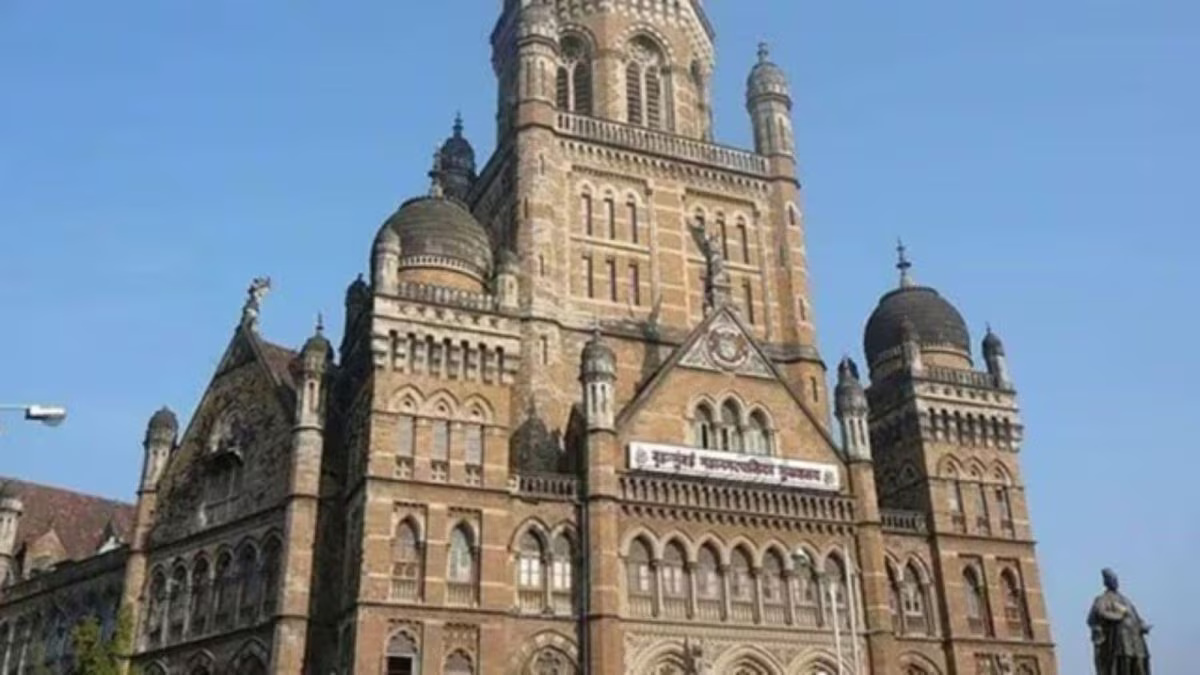
A governance standoff between Mumbai’s civic administration and the state’s slum redevelopment authority has escalated over a strategically important land parcel in Worli reserved for a sewage treatment plant (STP), raising concerns about infrastructure planning, inter-agency coordination and the protection of essential urban utilities.
The dispute centres on a 17,756-square-metre plot earmarked for sewage treatment infrastructure, a critical component of Mumbai’s coastal pollution control and climate resilience strategy. Over the past week, the municipal corporation issued notices alleging unauthorised construction of transit accommodation on the site, warning that underground sewer lines had been affected. In response, the redevelopment authority formally handed back possession of the land to the civic body and ordered the demolition of the temporary housing structures. Senior civic officials stated that approvals granted for multiple transit buildings on the STP-reserved land violated planning norms and posed risks to two major sewer corridors running through the site. According to officials overseeing sewerage operations, construction activity had already begun to disrupt sewage flow, prompting urgent intervention. The municipal administration subsequently directed a halt to all works and initiated steps to pursue legal action against officials involved in granting the permissions.
The redevelopment authority, however, maintains that it has already withdrawn approvals and taken enforcement action against the developer. Officials familiar with the matter said earlier permissions were revoked after mandatory clearances from environmental authorities and the land-owning civic body were not obtained. Notices were also issued under planning legislation, and complaints filed against the implementing agency months earlier. From the authority’s perspective, the return of the land closes its role in the matter. Complicating the issue further are counter-allegations regarding ongoing activity at the site. During a recent inspection, redevelopment officials reported observing machinery linked to a civic infrastructure project on the same plot. According to officials present during the visit, equipment associated with an elevated road project connecting two major arterial corridors was operating within the STP reservation area, even as transit structures were being flagged as unauthorised.
Urban planners say the episode highlights deeper structural challenges in Mumbai’s development governance. Competing infrastructure priorities—sewage treatment, road connectivity and housing rehabilitation—often converge on limited land parcels, particularly in dense inner-city locations. Without clear sequencing and coordination, such overlaps risk delays, cost escalation and damage to critical environmental assets. The Worli STP site is especially sensitive. Sewage treatment capacity is central to Mumbai’s efforts to reduce marine pollution, meet coastal regulation standards and adapt to climate risks linked to flooding and sea-level rise. Any compromise to planned treatment infrastructure could have long-term implications for public health and environmental compliance.
As agencies exchange notices and responsibilities, experts stress the need for transparent resolution mechanisms and a unified land-use authority for high-impact infrastructure zones. For residents and businesses in Worli and surrounding areas, the immediate concern remains continuity of essential services and clarity on how and when competing projects will proceed. The coming weeks are expected to determine whether the land reverts fully to its original STP purpose or if design modifications allow multiple infrastructure uses—an outcome that could set an important precedent for managing scarce urban land in Mumbai.
Worli STP Plot Dispute Escalates After Transit Camps Face Demolition