


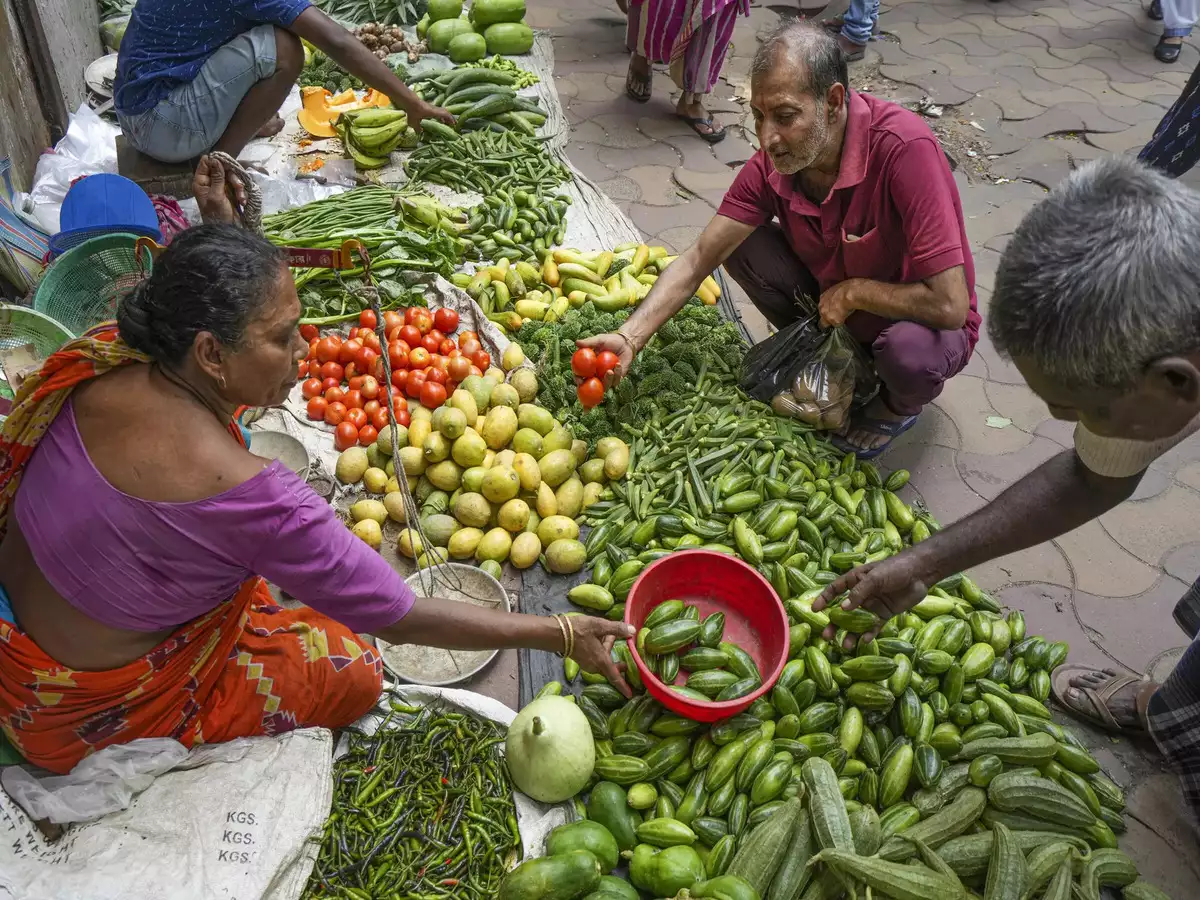
World Bank backs PMC farmer-to-consumer markets in Pune
In a move aimed at transforming Pune’s urban food landscape, the Pune Municipal Corporation (PMC), with support from the World Bank and the Maharashtra State Government, is set to roll out weekly farmers’ markets across key locations in the city. This initiative, expected to commence within the next two months, will enable consumers to access fresh, organic produce directly from farmers, eliminating the role of middlemen and ensuring fair pricing. The designated sites include Lohgaon, Baner, Pashan, Bavdhan, and Balewadi, strategically chosen to decentralise food distribution and make high-quality agricultural products accessible to a broader section of the urban population. Additional Commissioner Prithviraj B.P. emphasised that the markets would not only support farmers but also elevate food standards by promoting chemical-free fruits and vegetables, addressing growing concerns over food safety and nutrition in urban India.
A Game-Changer for Farmers and City Residents
This initiative is part of the Sant Shiromani Savata Mali Rayat Bazaar Initiative under the World Bank-backed Balasaheb Thackeray Agribusiness and Rural Transformation Project, which aims to enhance the viability of weekly farmers’ markets in Maharashtra. With rising costs of living and an increasing demand for organic produce, these markets present a win-win scenario for both farmers and consumers. By cutting out intermediaries, farmers will receive better returns for their produce, while consumers will benefit from fairer pricing and fresher food. Pune residents, who often rely on conventional markets with fluctuating prices and inconsistent quality, now stand to gain from a direct farmer-to-consumer model that offers transparency and affordability. To further strengthen this initiative, community-based organisations and farmer producer companies, selected by the Agricultural Technology Management Agency (ATMA), will also participate in these markets, ensuring a diverse and sustainable supply chain.
Civic and Sustainability Implications of Decentralised Markets
Apart from improving food quality, these markets are expected to ease congestion in Pune’s traditional wholesale marketplaces, which frequently face overcrowding and logistical challenges. Decentralisation will distribute consumer traffic more evenly across the city, reducing transportation-related pollution and alleviating the burden on existing infrastructure. By shifting towards locally sourced food, Pune’s carbon footprint will also see a reduction, as food miles—the distance produce travels from farm to consumer—will decrease significantly. Additionally, select markets will feature high-quality meat products, addressing concerns over food hygiene and safety. Urban planners and civic activists argue that this initiative aligns with the broader need for sustainable urban food ecosystems, a critical aspect of ensuring food security for rapidly growing cities.
Sustainability at the Heart of the Initiative
Sustainability remains a key focus of this initiative, as it fosters environmentally responsible agricultural practices while reducing food wastage and logistical inefficiencies. By providing farmers with direct access to consumers, the project encourages small-scale, chemical-free farming, which is essential for soil health and long-term agricultural viability. Moreover, reducing dependency on large-scale supply chains mitigates the environmental impact of excessive packaging and storage processes. While the initiative marks a significant step towards a more sustainable urban food supply, its long-term success will depend on robust policy implementation, active civic participation, and continued government support. As Pune moves towards a more self-sufficient food ecosystem, these weekly markets stand as a testament to the potential of sustainable urban development, fostering healthier communities and a resilient agricultural economy.
