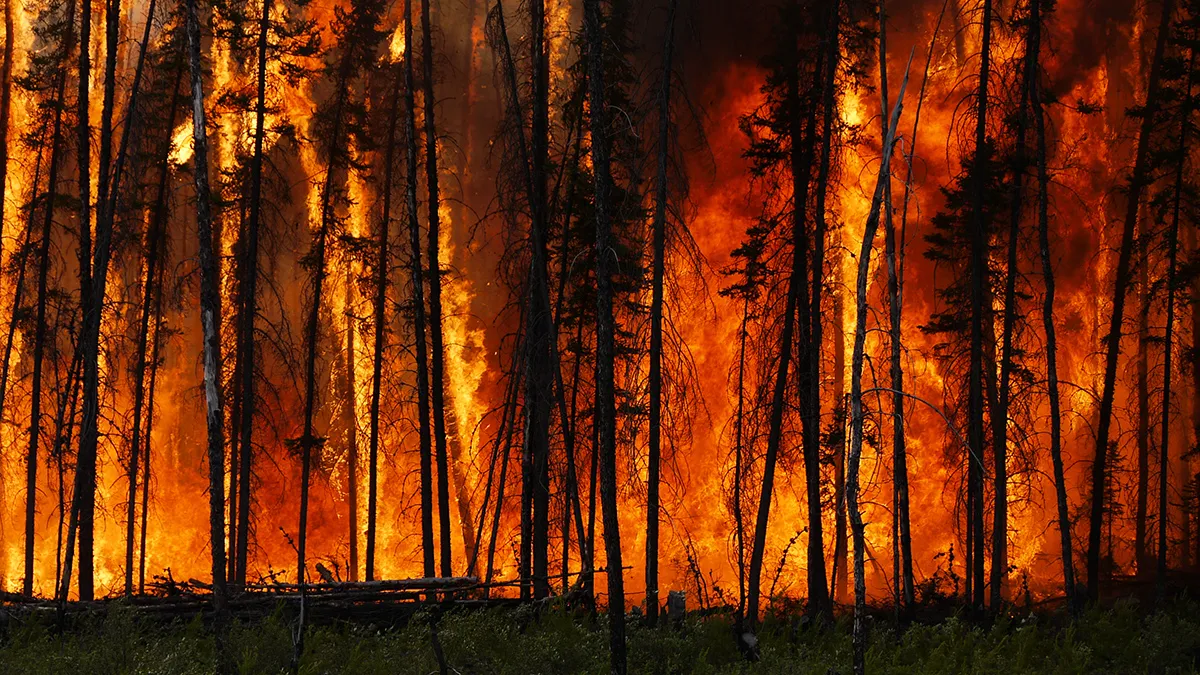
A new study reveals that the damage caused by wildfires extends far beyond the blaze itself, contaminating water sources for up to eight years. Analysing over 1,00,000 samples across 500 watersheds in the U.S., researchers found long-term increases in pollutants such as nitrogen, phosphorus, and sediment, threatening drinking water quality and overwhelming treatment facilities in affected regions.
While most people associate wildfires with air pollution and habitat loss, researchers have now confirmed their prolonged impact on water systems. Rivers and streams near fire-affected forests recorded significantly higher levels of organic carbon and sediment. These pollutants compromise drinking water safety and pose serious challenges for downstream treatment plants. With communities relying heavily on these water sources, the long-term environmental risks have raised urgent questions about post-fire water resilience.
The study shows that the most severe contamination occurs in the first one to five years after a wildfire. However, in many areas, elevated nitrogen and sediment levels linger for up to eight years. Soil erosion and ash runoff after vegetation loss contribute heavily to this persistent pollution. In some cases, sediment concentration surged by 2,000 times, highlighting the extreme stress wildfires place on natural water filtration and built treatment infrastructure.
Impact levels varied widely across locations depending on soil type, vegetation, proximity to rivers, and regional climate. Watersheds with sandy soils and steep slopes showed particularly high contamination. These findings suggest that wildfire-driven water pollution is not uniform and requires tailored mitigation strategies. Experts emphasised that fire-adjacent watersheds are especially vulnerable, urging policymakers to integrate water safety into wildfire risk assessments and invest in climate-resilient infrastructure upgrades.
With wildfires intensifying due to climate change and prolonged droughts, the findings have renewed calls for long-term water management strategies. Officials stress that resilience planning must be grounded in real data rather than general concerns. The research offers concrete metrics that water managers can use to anticipate contamination risks. It also highlights the urgency of integrating wildfire preparedness with water policy, ensuring communities are equipped to face slow-burn disasters long after the flames die down.
As wildfires grow in scale and intensity, their hidden aftermath on water quality presents a lasting challenge. The study’s data reveals a critical need for future-proof water systems capable of withstanding long-term contamination. With rivers and treatment plants under strain for nearly a decade post-fire, proactive planning, regional cooperation, and sustained investment will be essential to safeguard public health and secure clean water in a warming, fire-prone world.