


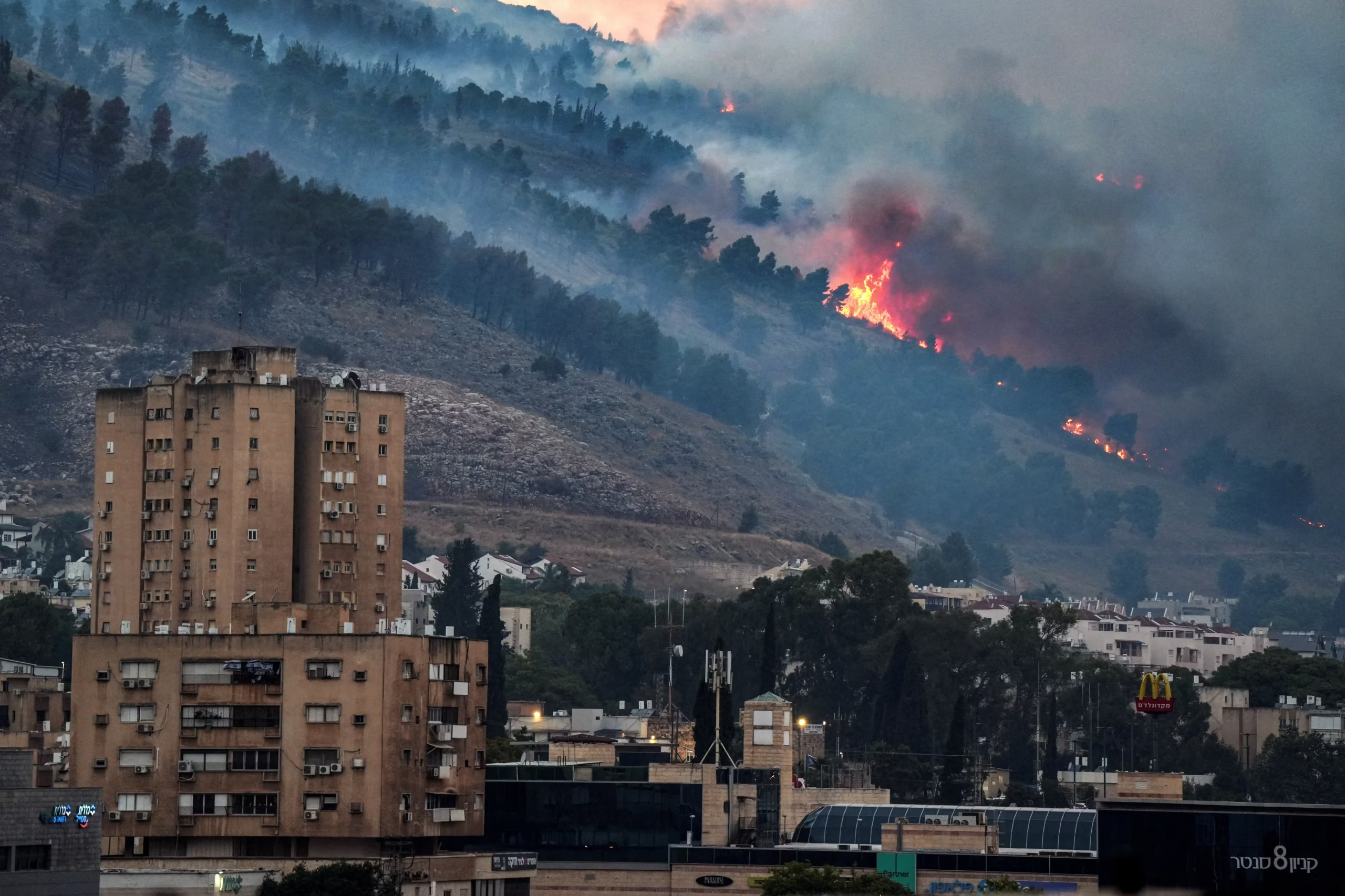
As raging wildfires consume vast swathes of Israel’s landscape, critical highway routes have transformed into perilous corridors of smoke and fire. Visuals emerging from affected areas show flames lapping dangerously close to moving vehicles, forcing commuters into a race against time.
The intensity of the fires has overwhelmed regional fire safety systems, creating an urgent crisis for both emergency responders and civilians alike. With thick plumes of smoke blanketing key roads, including those near populated corridors, safe mobility has become a matter of chance rather than planning.According to local disaster management authorities, the fires—fanned by dry weather and high winds—have rapidly spread to areas previously considered buffer zones. Several highways connecting urban pockets are now scenes of chaos, where drivers are navigating through zero visibility conditions and soaring temperatures.
Emergency services are scrambling to evacuate residents and manage traffic flow, but the unpredictability of the fire’s path has made coordinated containment increasingly complex. Meanwhile, hospitals have reported cases of respiratory distress and minor burn injuries, particularly among those stuck in smoke-filled vehicles for prolonged periods.The wildfires raise deep concerns about Israel’s preparedness for climate-related disasters, particularly in urban transit corridors. Experts point out that densely built infrastructure with limited green buffers, coupled with extreme weather patterns, has created a volatile situation.
The lack of fire-resistant urban planning measures—such as dedicated escape routes, smoke vents, and fireproof barriers—has compounded the risk to human life and public property. This serves as a wake-up call not just for Israel, but for all cities facing similar climatic vulnerabilities. The role of sustainable urban planning and eco-sensitive infrastructure cannot be overstated as environmental shocks become more frequent and intense.With the fire perimeter expanding dangerously close to residential settlements, authorities are urging the public to stay indoors or evacuate when instructed. Emergency hotlines have been flooded with distress calls, many from those caught between advancing flames and gridlocked roads. While firefighting units, assisted by aerial surveillance and water-dropping aircraft, are working round-the-clock, the situation remains precarious.
The growing frequency of such fire outbreaks has sparked fresh dialogue among environmentalists and policymakers about the urgent need to build resilient cities that prioritise not just carbon neutrality but human safety and ecological balance.
As the fires continue to burn and containment remains uncertain, the nation is confronting a stark reality: that climate extremes are no longer distant threats but immediate dangers. The emphasis now must shift towards inclusive, gender-neutral, and sustainable urban responses—ones that place human life, mobility, and eco-resilience at the forefront of planning. Whether this wildfire crisis becomes a catalyst for change or yet another missed opportunity will depend entirely on the urgency and commitment of authorities and citizens in equal measure.
Also Read : MSRDC Vows Action Against Illegal Traffic on Samruddhi Highway
Wildfires Expose Gaps in Road Sustainability in Israel
