


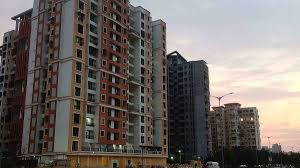
Mumbai’s urban landscape is witnessing a significant demographic and investment shift, with its western suburbs beyond Andheri rapidly gaining traction as prime residential destinations. Driven by escalating property values and market saturation in established areas, homebuyers are increasingly gravitating towards northern micro-markets like Kandivali, Borivali, Mira Road, and Vasai-Virar. This migration signals a pivotal move towards more affordable, connected, and potentially more sustainable urban living, fostering equitable access to quality housing for a diverse populace.
The traditional dominance of areas such as Andheri, Goregaon, and Malad, once defined by extensive residential offerings and strategic connectivity, is now ceding ground. With average property prices in these older hubs reaching approximately INR 31,000 per square foot in 2025, and limited inventory, mid-income homebuyers are compelled to seek alternatives. This economic imperative has propelled the northern western suburbs into the spotlight, offering properties that are significantly more economical, for instance, Mira Road and Bhayandar presenting savings of 30-35% compared to their more established counterparts.
A key catalyst for this northward expansion is the robust enhancement of transport infrastructure across the Mumbai Metropolitan Region. Completed metro corridors, such as Metro Line 2A (Dahisar to DN Nagar) and Metro Line 7 (Andheri East to Dahisar East), have dramatically improved accessibility, reducing commute times and promoting a lower carbon footprint through efficient public transit. Ongoing road expansions, including the Western Express Highway and critical link roads like the Dahisar-Bhayandar Link Road, further solidify these areas as viable, well-connected residential options.
Future infrastructure projects promise to further integrate these emerging hubs, including the upcoming Metro Line 9 (Dahisar to Mira-Bhayandar) and the Thane-Borivali twin tunnel project, which is projected to slash travel times to a mere 15 minutes. Beyond connectivity, civic initiatives like the Surya Regional Water Supply Project and the development of new hospitals, schools, and recreation zones are enhancing the overall liveability. This comprehensive development fosters a more gender-neutral and equitable urban environment, ensuring essential services are accessible to all residents.
Developers are responding to this burgeoning demand by constructing modern, township-style gated communities that prioritise green spaces and lifestyle amenities. This approach not only caters to the aspirations for premium living but also aligns with the vision of creating eco-friendly and sustainable urban habitats. Market data from the last fiscal year indicates a 13% increase in housing sales in the western suburbs, despite a 35% decline in new launches, alongside a 3% average property value appreciation. This robust demand-supply dynamic positions the northern western belt as a critical frontier for Mumbai’s future urban growth, advocating for balanced and inclusive development.
Also Read :Pune Zilla Parishad Plans to Convert Junnar and Baramati Wadas into Heritage Homestays
