


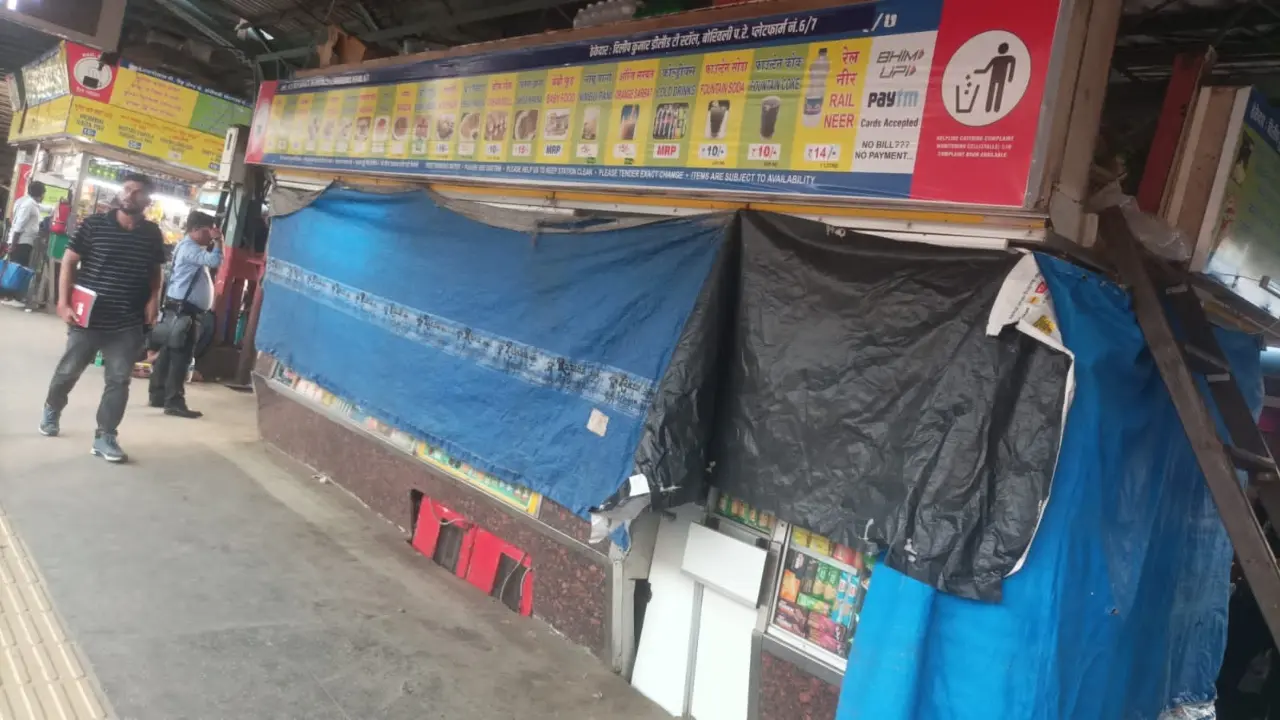
Western Railway has intensified its station-level hygiene oversight after two food stalls at Borivali station were ordered to halt operations for failing to meet basic safety and cleanliness standards. The action, carried out during an unannounced inspection on Thursday, reflects the broader push to improve commuter well-being across Mumbai’s high-density suburban rail network. The move underscores the need for safer, more regulated public spaces as the city’s mobility infrastructure evolves towards a more inclusive and health-conscious model.
According to officials involved in the inspection, the decision to seal the stalls followed the discovery of what they described as “unsatisfactory” food handling practices and substandard hygiene conditions. The units — one tea stall on Platforms 4/5 and another vending outlet on Platforms 6/7 — were directed to suspend operations until they demonstrate full compliance with food safety norms prescribed for licensed vendors on railway premises. Officials noted that these surprise checks are part of an ongoing surveillance drive aimed at raising the quality of essential services in Mumbai’s commuter ecosystem. With stations such as Borivali witnessing some of the highest footfall in the suburban system, authorities said that even minor lapses in hygiene can pose significant risks for lakhs of daily passengers, including senior citizens, children, and low-income workers who rely heavily on station-based food options.
A senior railway official said the intensified enforcement is driven by multiple commuter complaints over the years relating to inconsistent food quality, unhygienic preparation areas, and poorly maintained vendor units. The official added that regular monitoring is essential not only for passenger safety but also for building public trust in station amenities, which form a critical component of Mumbai’s broader urban mobility framework. Industry observers note that such measures are increasingly important as cities move towards people-centric and health-forward transit environments. Ensuring hygienic vending spaces supports wider goals around equitable access to safe public services, especially in dense urban corridors where residents have limited alternatives during long travel hours. Strengthening hygiene compliance is also aligned with global standards for sustainable transit hubs, which prioritise safety, accessibility, and environmental responsibility.
The sealed stalls will be permitted to resume operations only after railway authorities review their compliance reports and verify upgrades in cleanliness, food storage, waste disposal, and staff hygiene practices. Officials emphasised that similar checks will continue across Mumbai’s suburban rail network, with action expected wherever violations are found. As Mumbai expands its transport infrastructure and strives for a healthier, more liveable urban environment, consistent regulation of essential services — including something as basic as food stalls — remains a critical component. The ongoing audit drive signals a shift towards more accountable, commuter-focused governance across the city’s public transport spaces.
Also Read : Mumbai Citizens Raise Alarm Over Carter Road Encroachment As Environmental And CRZ Issues Grow
