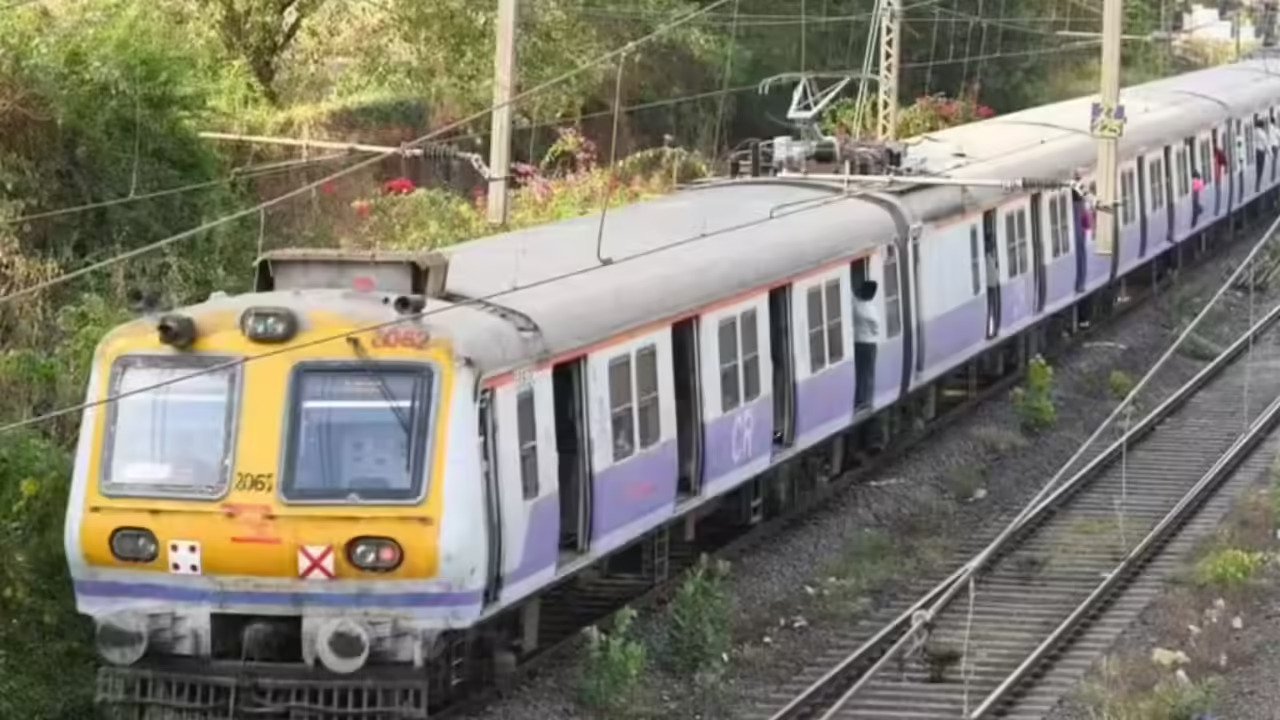
Mumbai’s suburban rail network will see coordinated service disruptions this Sunday as planned maintenance works are carried out across key corridors, underscoring the operational challenge of upgrading one of the world’s most heavily used urban rail systems while keeping daily mobility intact.
The Western Railway will undertake a scheduled jumbo block between Churchgate and Mumbai Central, affecting slow-line operations in both directions for five hours during the late morning and afternoon. Railway officials said the interruption is necessary to carry out track maintenance, signalling inspections, and overhead equipment checks—works considered critical for long-term safety and service reliability. During the block window, suburban trains normally operating on slow lines will be diverted to fast corridors on the affected stretch. As a result, several services will be cancelled, while others will be short-terminated at intermediate stations such as Bandra or Dadar. Commuters using the southbound business district or travelling between central and western suburbs are expected to experience longer wait times and platform crowding.
Railway planners note that such blocks, though disruptive, are increasingly unavoidable as Mumbai’s rail infrastructure ages under intense daily usage. With more than seven million passenger trips made each day on the suburban network, preventive maintenance has become a core component of ensuring operational resilience, particularly ahead of the monsoon season. Simultaneously, the Central Railway will carry out a mega block across sections of its Main Line and Harbour Line networks. On the Main Line, slow services between Chhatrapati Shivaji Maharaj Terminus and Vidyavihar will be suspended for a similar duration, with trains diverted onto fast lines and halting at select stations. Harbour Line commuters will face a complete suspension of services between Kurla and Vashi, affecting connectivity to Navi Mumbai and Panvel.
Transport analysts say the synchronised blocks highlight both the scale of Mumbai’s rail dependency and the limits of incremental upgrades. While metro expansion is gradually reducing pressure on suburban lines, the legacy network remains the backbone of daily commuting for working-class and middle-income households. To mitigate disruption, special services will operate on select inner sections, and passengers have been advised to use alternative routes via Thane, Vashi, or Nerul where possible. Station-level announcements and on-ground coordination will be critical to managing crowd movement during peak block hours.
From a broader urban planning perspective, the maintenance exercise reflects the tension between keeping a carbon-efficient mass transit system running and upgrading it for future demand. Rail-based commuting remains Mumbai’s lowest-emission transport mode, making infrastructure reliability essential for the city’s climate and mobility goals. As Mumbai continues to densify and expand economically, experts argue that sustained investment in maintenance, capacity upgrades, and network redundancy will be as important as new lines. For commuters, Sunday’s disruption is temporary—but the long-term payoff lies in safer, more dependable daily travel.
Western Railway Schedules Major Suburban Maintenance Block