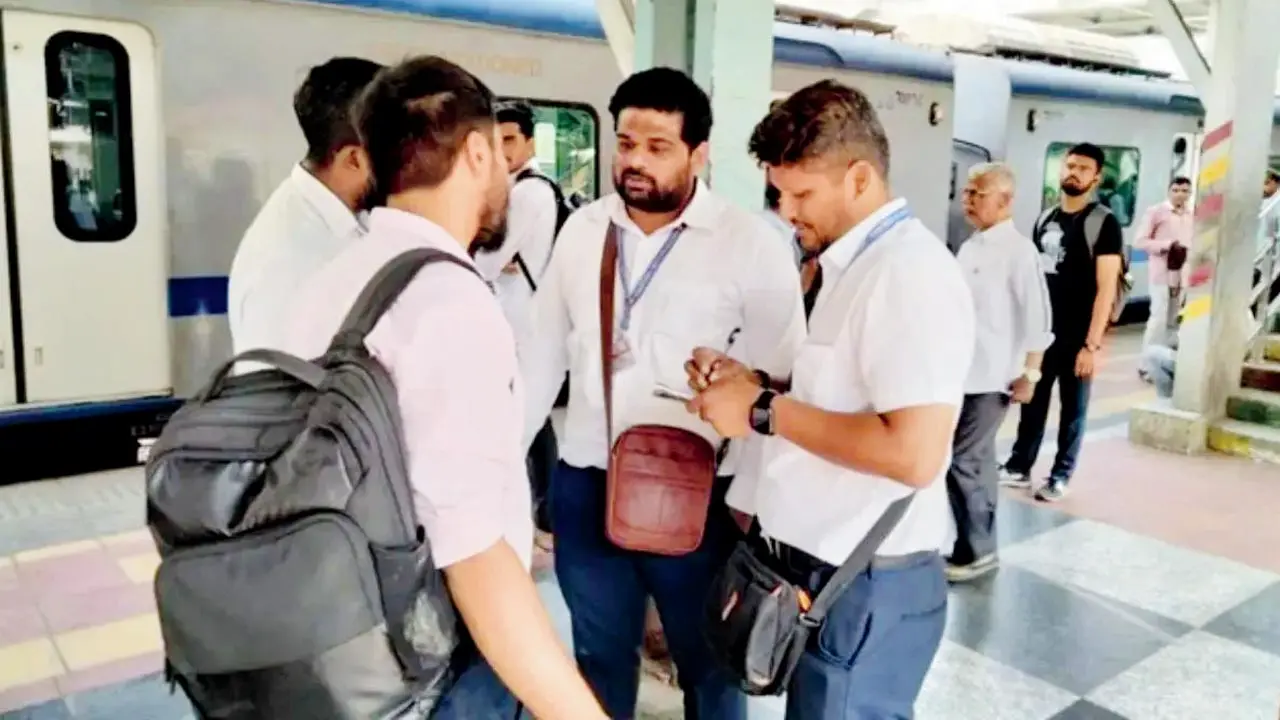
Western Railway has initiated a large-scale expansion of CCTV surveillance across Mumbai’s suburban rail network, responding to a growing number of incidents involving passenger aggression and assaults on frontline ticketing staff. The move reflects rising safety concerns within one of the world’s busiest urban transit systems and highlights the operational stress points emerging in high-density, high-frequency public transport environments.
Railway officials confirmed that the Mumbai Central division is implementing a comprehensive CCTV rollout covering nearly 200 locations, with an estimated investment of ₹25.81 crore. The surveillance upgrade will span ticketing offices, passenger-facing counters, and staff-only operational areas, strengthening both employee safety and oversight of daily ticket-checking activities. According to officials overseeing the project, cameras are being installed across passenger reservation centres, unreserved ticketing stations, combined booking facilities, and offices used by ticket checking staff. These locations are among the most crowded and cash-intensive zones within the suburban system, where disputes over fares, penalties, and ticket validity frequently escalate during peak travel hours.
Transport planners note that the Western Railway CCTV initiative addresses a structural challenge facing Mumbai’s mobility network. With suburban rail carrying millions of commuters daily, frontline staff operate under extreme pressure, often managing dense crowds with limited physical protection. Surveillance infrastructure, while not a substitute for staffing or enforcement, is increasingly viewed as a deterrent against violence and a tool for rapid incident verification. The project also includes coverage of ticket checking offices and reporting lobbies where staff work late hours and handle sensitive enforcement-related interactions. Officials said the expanded CCTV network will support post-incident investigations, improve response coordination with railway protection forces, and enable internal audits of ticketing operations to ensure transparency and accountability.
Urban safety experts point out that the investment aligns with broader goals of making public transport systems safer and more inclusive, particularly for women employees and junior staff who are disproportionately exposed to confrontational situations. Improved surveillance is seen as a foundational layer in people-first transit design, complementing better lighting, crowd management strategies, and station redesigns. The rollout comes against the backdrop of multiple reported incidents over the past two years involving physical assaults, intimidation, and damage to railway property during ticket checks. While enforcement actions and legal measures exist, officials acknowledge that prevention through visibility and monitoring is increasingly necessary in congested urban settings.
From an infrastructure governance perspective, the Western Railway CCTV expansion also reflects a shift towards data-supported operations. Continuous monitoring allows authorities to identify recurring hotspots, adjust deployment patterns, and inform future station upgrades across the Mumbai suburban rail network. As Mumbai continues to densify and commuter volumes rise, transport analysts say such safety-focused investments will be critical to sustaining public confidence in mass transit. The effectiveness of the CCTV programme is expected to shape future decisions on surveillance, staffing, and station design across the wider metropolitan rail system.
Western Railway Expands CCTV Across Suburban Network