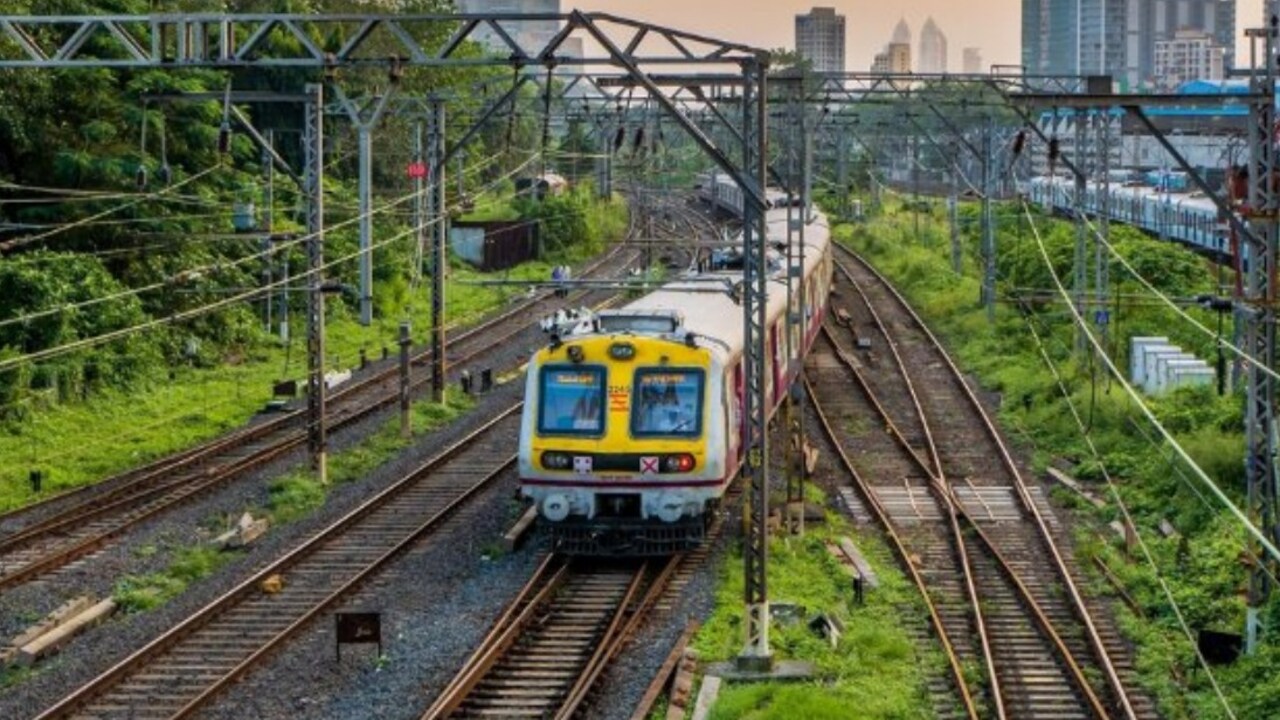
Mumbai’s suburban rail network is set for significant operational disruption as Western Railway undertakes a prolonged maintenance and infrastructure block on a key stretch in the western suburbs. The planned intervention, spanning nearly a full day, is expected to affect train frequency, routing, and platform usage—posing challenges for lakhs of daily commuters reliant on the corridor.
The block will be enforced between two of the busiest suburban sections, limiting train movements and forcing a large number of service cancellations and short terminations. Railway officials have indicated that over the course of the disruption, hundreds of suburban services will either not operate or will be curtailed before reaching their usual destinations. The Western Railway block has been scheduled to facilitate multiple ongoing infrastructure upgrades, including bridge works and station improvements. Among the critical tasks planned are structural installations linked to the proposed Harbour Line extension in the western suburbs, as well as deck construction activities at a key station. These upgrades are part of a broader effort to expand network capacity and improve connectivity across Mumbai’s suburban rail system.
Authorities have attempted to mitigate commuter inconvenience by planning additional services and modifying operational patterns. Select long-rake trains that typically operate as slow services will temporarily run as faster connections across the affected stretch, helping maintain throughput despite reduced track availability. Even so, peak-hour congestion is expected to intensify, particularly at interchange stations where passenger volumes are likely to surge. Transport experts note that such planned blocks, while disruptive in the short term, are critical for long-term network resilience. Mumbai’s suburban railway system remains one of the most heavily utilised urban transit networks globally, and periodic shutdowns are often the only viable way to carry out major engineering works without compromising safety.
However, the frequency and scale of these disruptions also highlight the need for greater multimodal integration. Urban planners argue that strengthening alternative transport systems—such as metro corridors, bus networks, and last-mile connectivity—can reduce the burden on suburban rail during such maintenance windows. The Western Railway block also underscores the complexity of upgrading legacy infrastructure in a densely built city. With limited space for expansion and continuous passenger demand, authorities must balance operational continuity with the need to modernise ageing assets.
For commuters, the immediate priority will be navigating altered schedules and overcrowded trains. Officials have advised passengers to check updated timetables and plan journeys in advance, particularly during peak travel periods. In the longer term, the success of these infrastructure interventions will depend on how effectively they translate into improved capacity, reduced travel times, and more reliable services. As Mumbai continues to invest in expanding its transit network, such upgrades remain essential to sustaining mobility in a growing urban region.
Western Railway Block To Impact Mumbai Trains On Andheri Borivali Stretch