


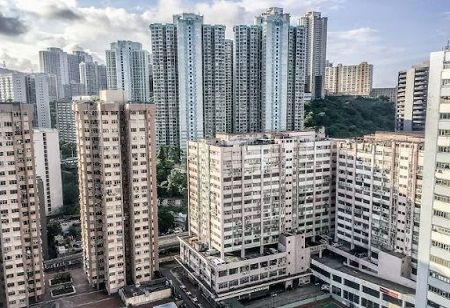
Affordable housing continues to anchor residential demand in West Delhi, as homebuyers priced out of central neighbourhoods increasingly turn to emerging micro-markets that offer connectivity, liveability and ownership within manageable budgets. Areas such as Uttam Nagar and the Dwarka Mor corridor are witnessing sustained end-user interest, underscoring a structural shift in how Delhi’s housing market is evolving.
Real estate professionals tracking West Delhi note that rising capital values in established locations have narrowed access for middle-income households, pushing demand towards peripheral yet well-connected neighbourhoods. Unlike earlier cycles driven by speculative buying, current absorption in these micro-markets is largely led by first-time homeowners, salaried professionals and families seeking long-term stability rather than short-term returns. Metro connectivity has played a decisive role in reshaping residential preferences. Uttam Nagar and adjoining pockets benefit from access to the Blue Line and proximity to arterial roads linking West Delhi with employment centres across the National Capital Region. Urban planners point out that such transport-led development is critical in distributing housing demand more evenly, reducing pressure on already congested inner-city zones. Affordability, however, is no longer assessed solely through price points. Buyers are increasingly weighing factors such as construction quality, safety, neighbourhood services and long-term maintenance. West Delhi’s housing stock, which includes builder floors and compact apartment formats, is gaining traction as it offers relatively larger usable space compared to similarly priced options in premium districts.
Housing analysts observe that this trend reflects a broader recalibration in Delhi’s residential market. After years of rapid appreciation in select pockets, buyers are becoming more discerning, prioritising habitability and daily convenience over brand value or speculative appreciation. This shift aligns with a growing preference for walkable neighbourhoods, access to healthcare and education, and predictable living costs all of which influence household resilience in the face of rising urban expenses. From an urban development lens, the renewed focus on affordable housing in West Delhi carries wider implications. These neighbourhoods are absorbing population growth that might otherwise intensify density pressures in central Delhi. However, experts caution that sustained demand must be matched with infrastructure upgrades, including drainage, waste management and open spaces, to prevent long-term liveability challenges. Interest rate stability and incremental improvements in civic infrastructure are expected to further support demand in these markets over the coming quarters. While large-scale redevelopment remains constrained by fragmented land ownership, incremental housing supply continues to meet the needs of a growing end-user base.
As Delhi’s housing market matures, West Delhi’s affordable housing corridors are emerging as critical buffers offering ownership opportunities to middle-income households while playing a quiet but important role in shaping a more balanced and inclusive urban growth pattern.
Also Read: Signature Global navigates slowdown amid housing reset
West Delhi micro markets attract first time buyers
