


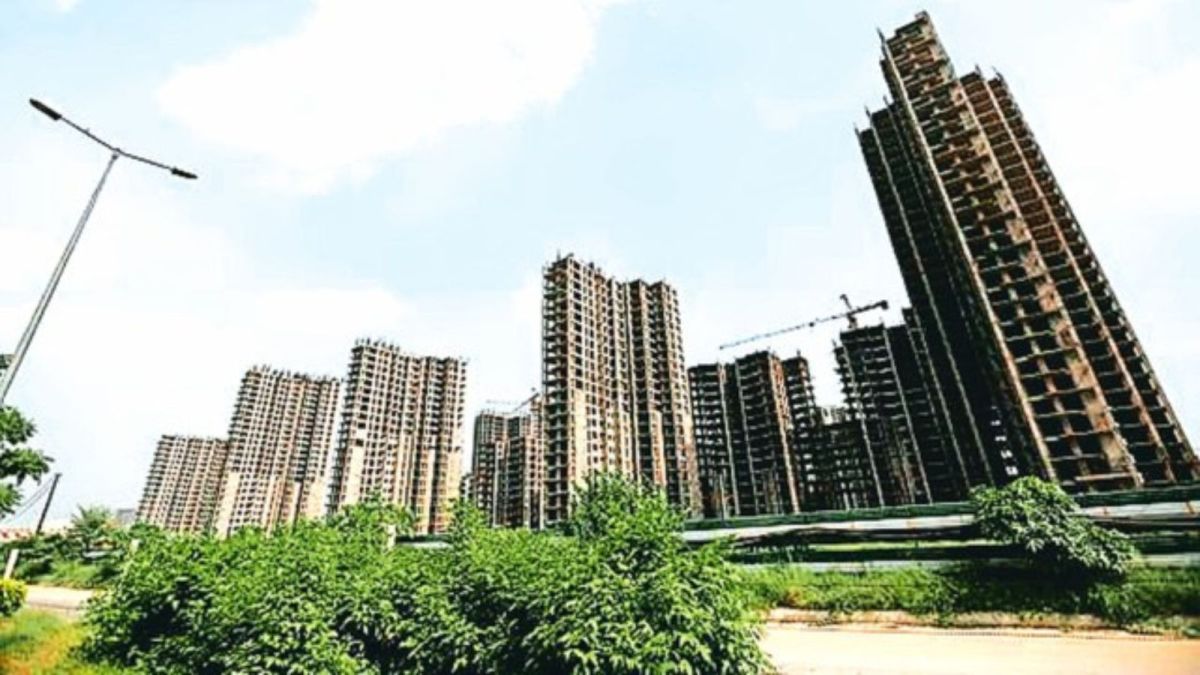
West Delhi is quietly redefining Delhi-NCR’s residential growth story, as affordability and everyday livability increasingly outweigh proximity to premium business districts. Emerging neighbourhoods such as Uttam Nagar and the Dwarka Mor corridor are witnessing sustained homebuyer interest, reflecting a broader recalibration of housing demand driven by rising urban costs and shifting household priorities.
Industry assessments indicate that escalating prices across central and south Delhi have pushed a large segment of salaried households and first-time buyers to explore western residential pockets that offer ownership opportunities within realistic budgets. Unlike earlier speculative cycles, the current momentum is largely end-user driven, signalling a preference for long-term stability over short-term capital gains. Urban planners note that connectivity has been central to this shift. The steady expansion of metro networks, combined with road upgrades linking West Delhi to employment centres in Dwarka, Janakpuri, and parts of Gurugram, has narrowed the functional distance between peripheral neighbourhoods and economic hubs. For many households, daily commute times and access to public transport now matter more than aspirational addresses. Importantly, the definition of affordable housing itself appears to be evolving. Buyers are no longer assessing price alone. Construction quality, ventilation, access to healthcare, schools, and neighbourhood safety are becoming decisive factors. Larger unit sizes relative to cost a rarity in inner-city markets are also strengthening West Delhi’s appeal, particularly for families seeking work-from-home flexibility.
Real estate analysts say this trend aligns with a post-pandemic recalibration of housing needs across Indian cities. As hybrid work models persist, residential demand is spreading outward, easing pressure on saturated urban cores while creating opportunities for more balanced urban growth. West Delhi’s comparatively lower land costs have enabled denser yet more liveable developments, reducing displacement pressures often associated with high-end redevelopment. From an urban governance perspective, the shift presents both opportunity and responsibility. While rising demand can stimulate local economies and improve service delivery, it also underscores the need for infrastructure planning that prioritises water security, waste management, and climate resilience. Experts caution that affordability gains can quickly erode if growth outpaces civic capacity. Developers active in the region suggest that buyer behaviour today reflects financial prudence rather than compromise. Homeownership is being viewed as a hedge against rental volatility, especially as interest rates show signs of stabilisation. In this context, West Delhi affordable housing is emerging not as a fallback option, but as a rational urban choice.
Looking ahead, planners believe sustained investment in public transport, social infrastructure, and low-impact construction will determine whether West Delhi’s housing surge translates into inclusive, long-term urban resilience. If managed carefully, the area could serve as a model for how Indian cities accommodate growth without deepening inequality or environmental strain.
Also Read: Minimal, Modern, Mindful: Yami–Aditya’s Bandra Residence
West Delhi Affordable Housing Reshapes Homebuyer Demand
