


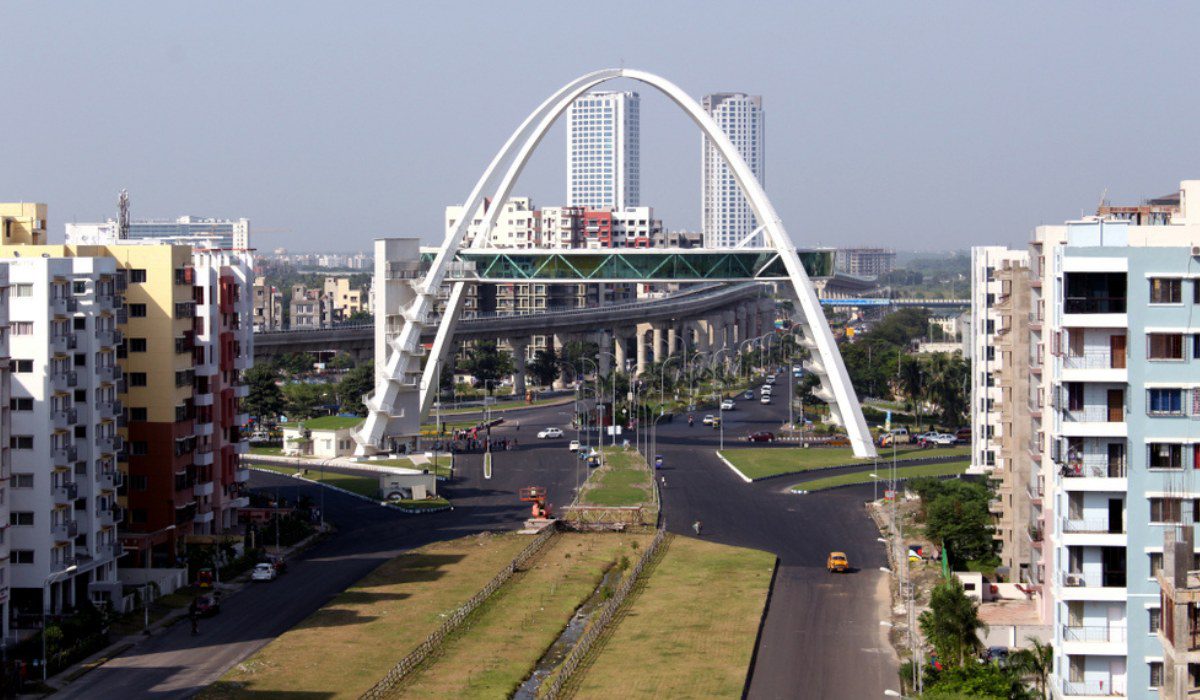
KOLKATA — West Bengal’s interim budget for fiscal 2026-27 has outlined a broad modernisation strategy for at least 25 secondary towns and smaller cities — from hill station hubs to coastal settlements — reflecting a calculated shift from capital-centric development towards more balanced regional urbanisation. This initiative responds to escalating demands for improved infrastructure, job creation and quality of life outside the state capital.
The state government’s modernisation plan focuses on upgrading civic amenities, digital connectivity and economic ecosystems in towns such as Siliguri, Bardhaman, Durgapur, Diamond Harbour and Darjeeling. A committee will be established to survey current conditions and recommend frameworks for development that minimise displacement and disruption to existing residents. Urban planners note that the strategy addresses long-standing infrastructure deficits in West Bengal’s non-metro urban centres. “Secondary towns have historically lagged in basic services and investment,” said a senior urban planner. “A coordinated upgrade programme can unlock economic potential, but implementation must be grounded in inclusive planning and local needs assessments.”
Many of these towns serve as regional economic anchors, yet they contend with dated transport networks, inconsistent digital infrastructure and water-supply gaps. For residents, better roads, enhanced sanitation and reliable broadband could translate into more equitable access to jobs and services. Analysts say that linking infrastructure investment with local skills development and MSME (micro, small and medium enterprise) support could expand employment opportunities beyond informal sectors, particularly for women and youth. Real estate and business groups have broadly welcomed the plan, arguing that clear policy direction and predictable development frameworks can catalyse private investment in housing, commercial space and logistics facilities. However, industry observers caution that infrastructure bottlenecks — such as narrow arterial roads and encroachments — must be tackled early to prevent growth constraints from persisting in emerging urban corridors. Economic analysts also highlight the budget’s alignment with the larger trend of decentralised growth in India, where states are increasingly looking to diversify urban economic bases beyond dominant metros. For West Bengal, this means positioning district towns not just as dormitory extensions of Kolkata but as autonomous economic regions with improved liveability and connectivity.
Environmental considerations are central to the discourse around modernisation. With many of the listed towns prone to climate stresses — from monsoon flooding in low-lying coastal zones to heat stress in inland plains — planners emphasise the need for resilient infrastructure that reduces vulnerability and supports long-term sustainability. An official in the state’s urban development department noted that climate-responsive design, such as flood-resilient drainage and energy-efficient public transport, will be critical components of project blueprints. For millions of residents across West Bengal’s secondary towns, the proposed upgrades could reshape daily life — improving commute times, access to healthcare and educational facilities, and local economic vitality. The coming months will test how effectively planning translates into execution, and whether long-held aspirations for more inclusive, climate-aware urbanisation in the state can be realised in practice.
Also Read: West Bengal Budget Modernises Urban Districts
West Bengal Urban Development Across 25 Town
