


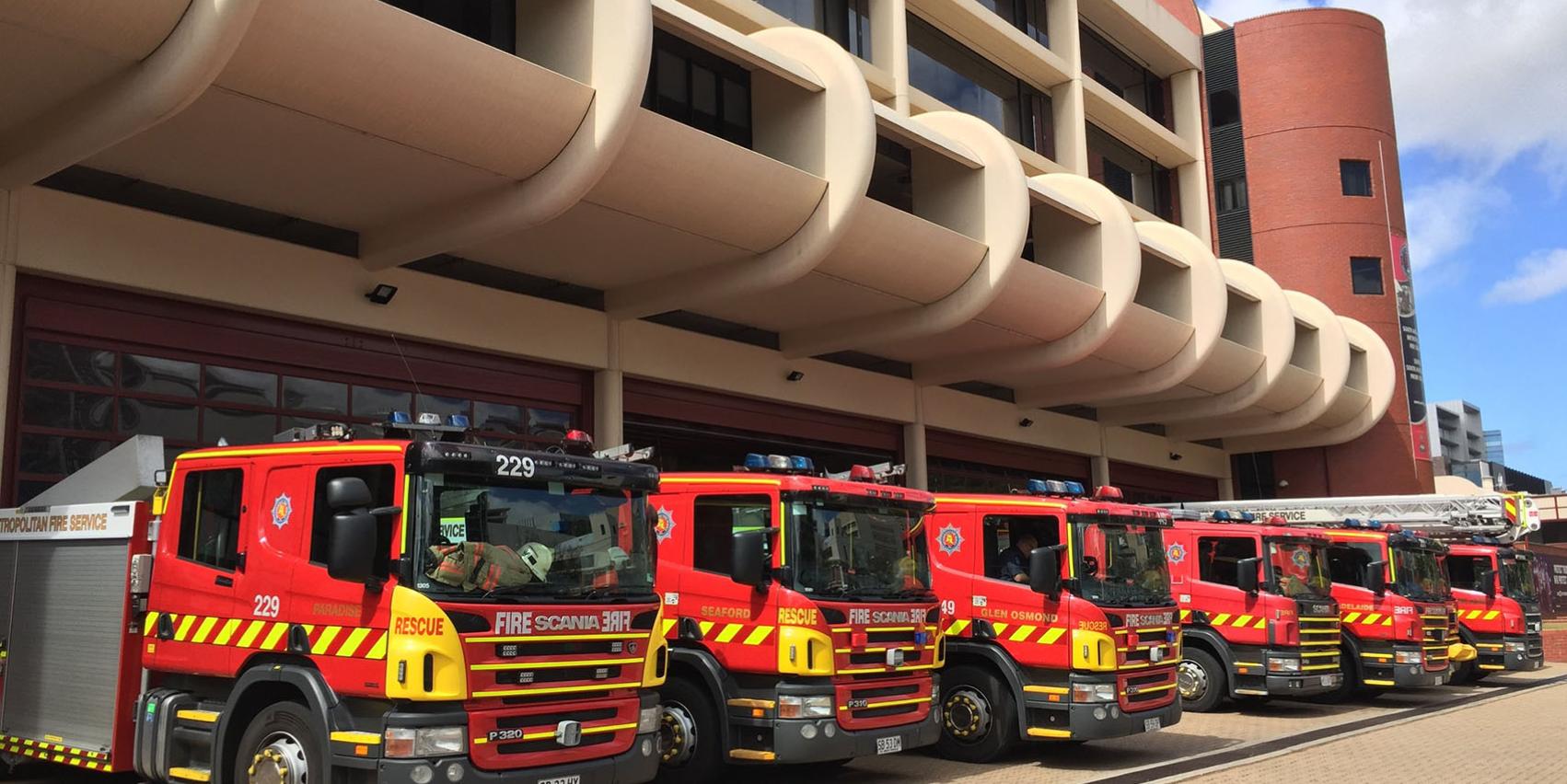
West Bengal’s Fire and Emergency Services department has initiated the construction of 25 new fire stations across the state, with added urgency ahead of the Durga Puja festival. This major enhancement aims to address recent fire incidents and boost urban and rural community safety. North 24‑Parganas alone will gain five new stations in Baguiati, Narayanpur, Hasnabad, Bilkanda (Khardah) and Dum Dum, while Kolkata itself will see a station at Nonadanga off EM Bypass.
Additional stations are planned across Howrah (Nabanna, Dhulagarh, Amta), Hooghly (Dhaniakhali), Bankura (Borjora), and various districts including North Dinajpur, Purulia, Jhargram, Malda, and Kalimpong—ensuring widespread equitable access to firefighting infrastructure. This comprehensive expansion is part of a broader modernisation push that includes the introduction of green corridors for fire engines in Kolkata, Bidhannagar, Howrah and their districts. In partnership with Police department, the initiative equips fire tenders with GPS trackers and integrates with control centres to dynamically clear emergency routes—aimed at slum areas and overcrowded markets where recent deadly fires have occurred.
Recent tragedies—such as fires at Sealdah ESI Hospital, Pathuriaghata and Narkeldanga slums—have underlined systemic vulnerabilities in Kolkata’s emergency framework. The experts referred to multiple arson investigations, noting infrastructure upgrades have halved incidents from 1,590 in 2022–23 to 920 in 2023–24 . Yet local firefighters often struggled to reach sites swiftly due to congested roads—a challenge the new stations and green corridors aim to resolve. Infrastructure planning has been distributed across agencies: 17 stations will be built by the Public Works Department, six by the Hooghly River Bridge Commissioner, and two in Kalimpong by the Gorkhaland Territorial Administration. This multi-authority delivery model is expected to accelerate timelines and avoid bottlenecks, especially ahead of the festive season when emergency demand peaks.
The state has also been steadily modernising its equipment fleet: 75 new fire engines, six hydraulic ladders and 50 motorcycles were inducted in recent months, complemented by drone studies for future deployment—steps that expand operational reach while reducing environmental impact. From a governance perspective, these moves reflect data-driven resilience planning. By mapping fire hotspots and traffic constraints, the state has committed to bridging service gaps in under-served areas while curbing carbon footprint—supporting editorial goals of sustainable, equitable and gender-neutral city safety. The stations in Kalimpong’s Sukhiapokhri and Gorubathan, for instance, ensure hilly communities are not ignored.
Community feedback has been cautiously optimistic. Resident groups in slum localities cite recent delays in emergency response; early access to closer stations is expected to reduce damage and loss. Sector experts point to cutting-edge green corridors and GPS-enabled tenders as critical to faster dispatch—helping achieve timely rescue in congested zones. Challenges remain, notably integration across multiple construction agencies and securing staff recruitment. West Bengal currently operates around 130–162 stations (records vary), and needs an additional 200 to meet state-wide norms. Consistent training, coordination with police, and ensuring diverse staffing—especially women firefighters and operators—will be critical to sustaining service quality.
In the long term, the state plans permanent green corridors integrated with traffic management during emergencies. Fire Minister Bose has indicated trials of SIM-based communication devices and deployment of drones for aerial surveillance during Puja, as well as phased station construction to drive performance improvements. For a state undergoing rapid urban expansion—from Kolkata metro zones to Kalimpong hills—fire safety infrastructure must evolve in step. The initiative to commission 25 stations ahead of Durga Puja is both timely and emblematic of a broader societal shift towards responsive, sustainable city resilience. While absent of political signalling, the move signals a collective investment in state-wide safety ahead of one of Bengal’s most cherished events.
Also Read: Kolkata Municipal Corporation launches My City Kolkata guide app
West Bengal expands firefighting capacity with 25 new stations
