


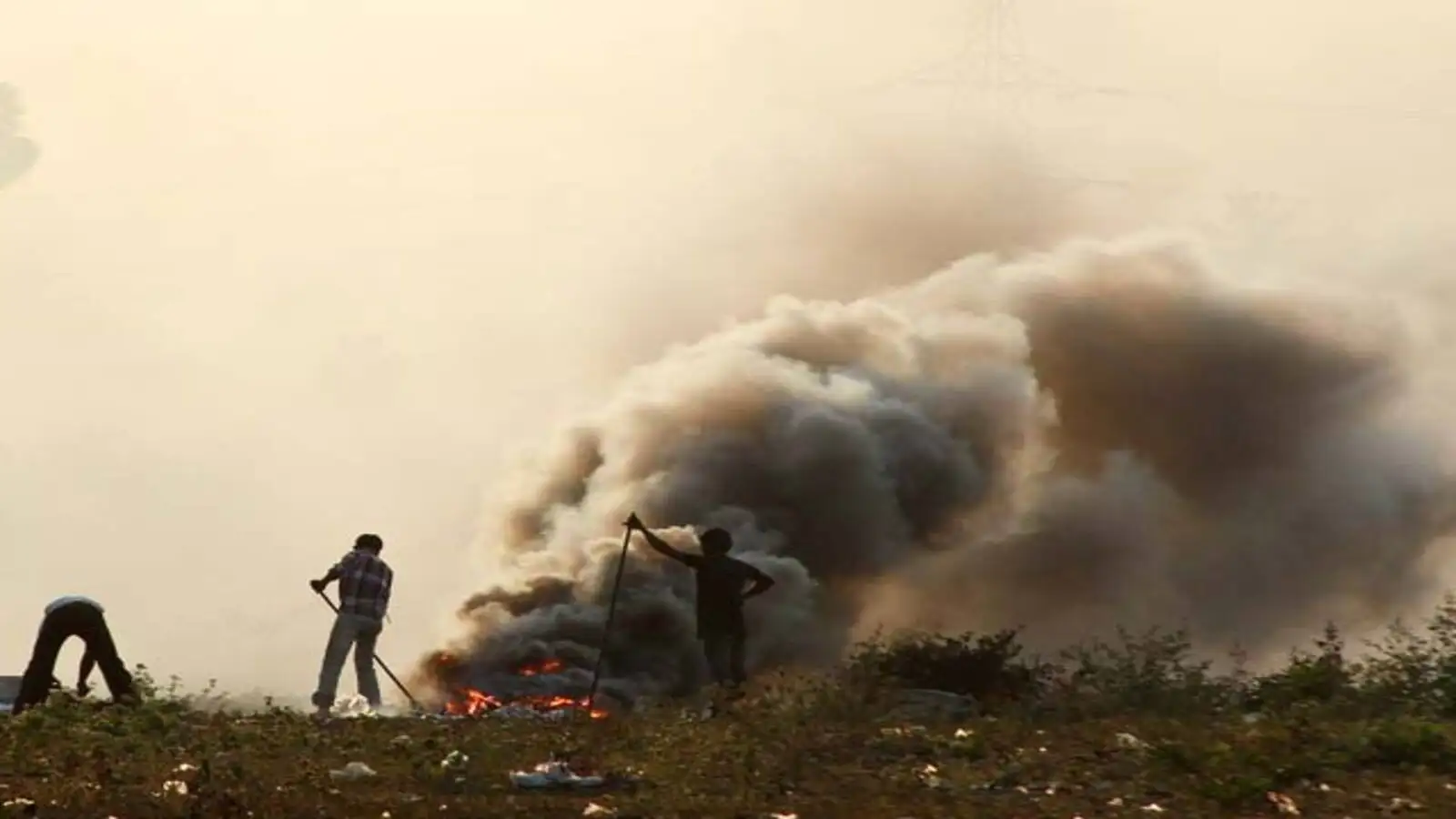
Kolkata — India’s West Bengal Pollution Control Board (WBPCB) has initiated a collaborative scientific investigation with a leading American research university and an Indian think tank to probe a fundamental question: do air and environmental pollutants in urban industrial zones and rural districts pose equivalent health risks? The study marks a shift in pollution policy towards understanding toxicity — not just concentration — with potential implications for public health, climate resilience and city planning across the eastern state.
Traditionally, policymakers have relied on metrics such as the Air Quality Index (AQI) to gauge pollution severity. But experts acknowledge that AQI readings — which amalgamate pollutant concentrations into a single public number — can mask the chemical composition and toxicity of emissions. A senior WBPCB official noted that AQI values in industrial zones such as the steel and power hubs can rival those measured in rural riverine districts, despite vastly different local sources and exposures. This distinction matters because two areas with similar numeric AQI can harbour pollutants with vastly different health profiles. Urban emissions often stem from traffic, construction and industrial activity, generating complex mixtures of fine particulates and heavy metals. Rural areas may exhibit equivalent AQI yet include agricultural burning, biomass cooking smoke or natural dust that elicits different physiological effects. Understanding these variations can help shape targeted public health responses, zoning regulations and mitigation strategies.
The WBPCB’s dataset — drawn from roughly 400 monitoring sites reporting pollution metrics in near-real time — will be calibrated and analysed in conjunction with the US institution’s Clean Air Initiative, a programme focussed on atmospheric research and policy advisory. The analytical partnership seeks to go beyond aggregate figures and explore toxicity pathways, relative hazard indices, and downstream health outcomes. For urban planners and infrastructure developers, clearer insight into pollutant toxicity can refine environmental impact assessments and prioritise interventions such as green buffer zones, clean energy fleets, or stricter emissions standards in high-risk sectors. Economists stress that quantifying health impacts in monetary terms — from lost productivity to care costs — could unlock stronger business cases for clean tech investment and climate-resilient design.
Public health experts underscore that rural populations are often underserved by healthcare and environmental regulation despite similar exposure levels to harmful substances. A nuanced toxicity study can highlight inequities and inform inclusive public health and environmental policy frameworks that address both city and countryside communities. As research progresses, policymakers will need to translate scientific findings into actionable regulatory standards and infrastructure mandates. While the state’s air quality has seen incremental improvements under national programmes and local controls, this initiative could recalibrate how pollution is measured and managed — ultimately steering West Bengal toward healthier, more climate-resilient cities and hinterlands.
Also Read: Delhi Fog Disrupts Mobility Across City Systems
West Bengal Examines Urban And Rural Air Toxicity Differences
