Telangana BRS Seeks Probe Into Singareni Coal Operations
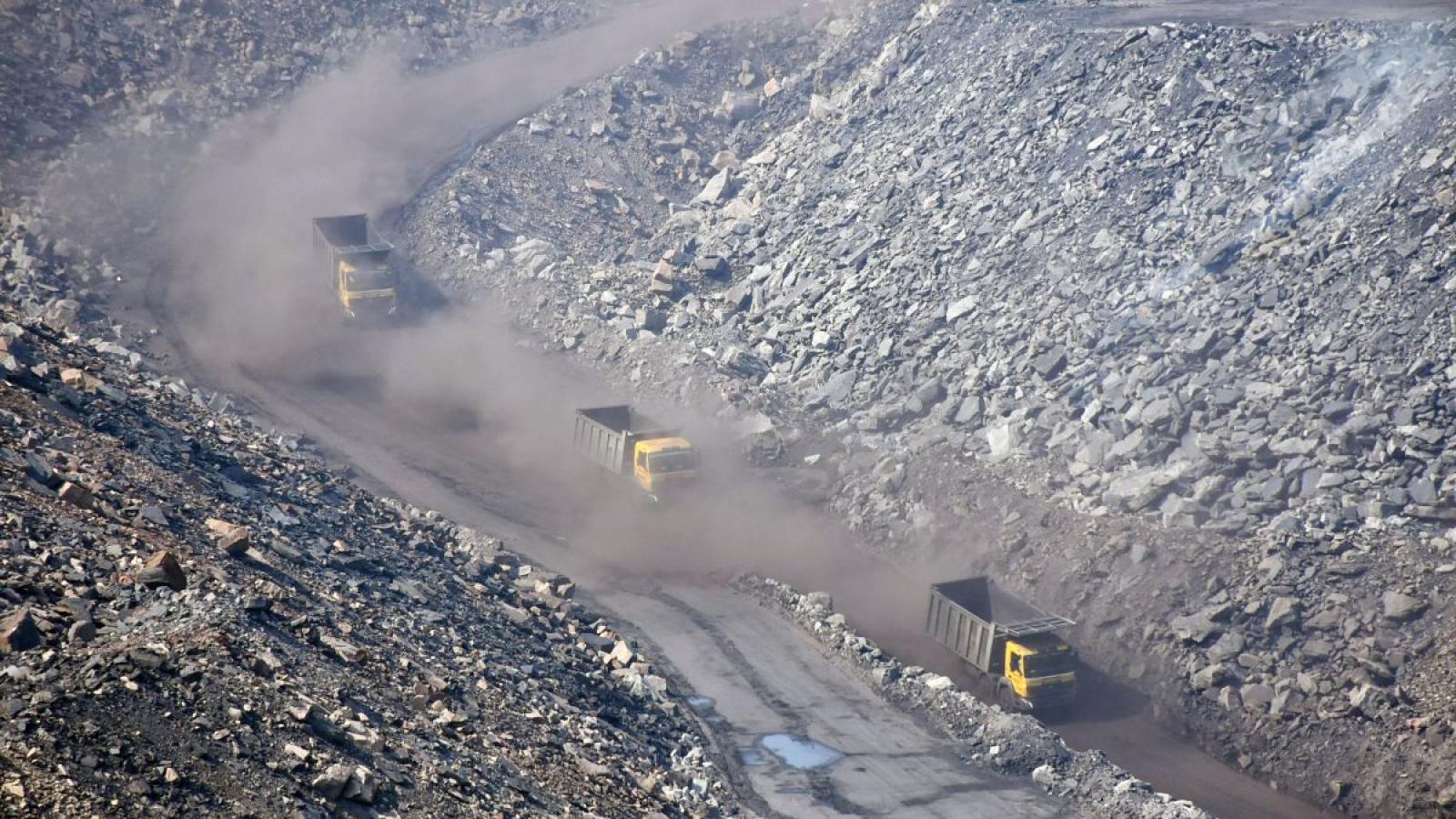
The Deocha-Pachami coal mining project in West Bengal has come under fresh scrutiny following the Enforcement Directorate’s (ED) inclusion of Pachami Basalt Mining Limited in a high-profile sand smuggling investigation. The company, involved in excavation work at the proposed 3,400-acre coal block in Birbhum district, has reportedly been linked to alleged money laundering activities through GD Mining, which is already under ED investigation for corruption and smuggling.
The chargesheet suggests that funds generated from sand smuggling were routed through GD Mining before being invested in Pachami Basalt Mining Limited. While the total alleged financial irregularities in the sand case are pegged at approximately ₹145 crore, the final allocation of these funds remains unspecified in the ED documentation. Authorities recovered substantial cash during searches at multiple locations, though the charge sheet does not clarify the complete flow of these assets.This revelation adds a new dimension to the longstanding controversies surrounding the Deocha-Pachami project, which is slated to become India’s largest coal mine upon completion. The initiative has faced repeated hurdles since its inception, including disputes over land acquisition, local protests, and political opposition. While many of the land-related issues have been largely resolved, the project now contends with reputational and regulatory challenges that may influence investor confidence and project timelines.
From an urban development perspective, the Deocha-Pachami coal block is critical for regional energy supply and industrial growth, particularly for thermal power generation, steel production, and cement manufacturing—all sectors integral to urban infrastructure expansion. Any delays in commissioning the mine could affect energy security in eastern India, potentially impacting industrial operations and construction timelines in both rural and urban areas.Political scrutiny has intensified following the ED filing, with opposition leaders questioning the integrity of tender allocations for the coal project. The state government had cancelled the contract awarded to Pachami Basalt Mining Limited approximately two weeks prior to the charge sheet, citing procedural irregularities. Analysts suggest that this regulatory intervention may help restore confidence in future public-private partnerships in extractive industries, though long-term implications for investor sentiment remain uncertain.
Financial experts note that regulatory compliance, transparent tendering, and robust environmental safeguards are crucial to aligning large-scale mining operations with sustainable urban growth objectives. Given India’s push for climate-resilient infrastructure, ensuring that energy projects meet both economic and environmental standards is essential for balancing industrial needs with societal expectations.As investigations continue, the Deocha-Pachami project represents a test case for governance in India’s coal sector, highlighting the complex interplay between resource management, regulatory oversight, and urban industrial development. Stakeholders will be closely monitoring the resolution of the ED case, which could influence the pace and scope of coal extraction in the region.