


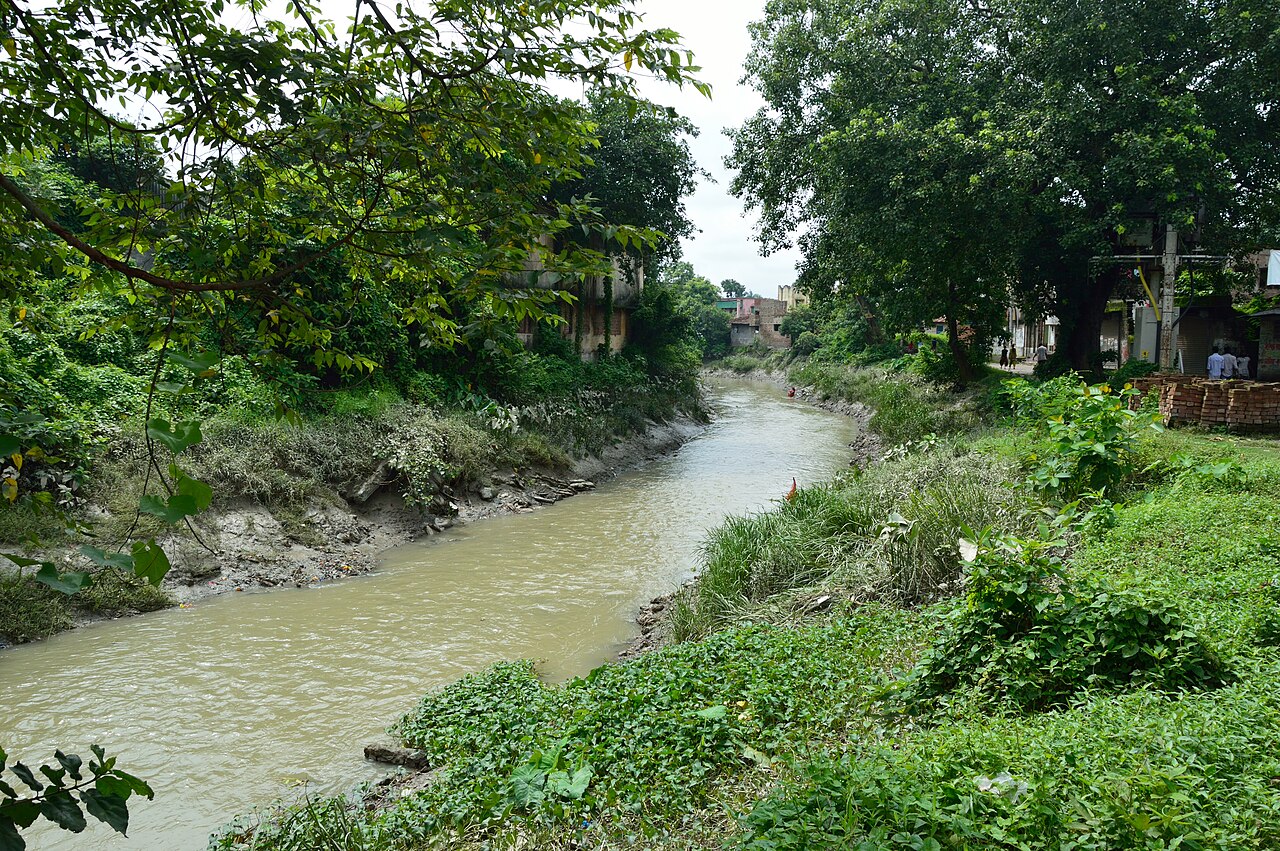
Kolkata — West Bengal’s state administration has projected that a comprehensive rehabilitation of the Saraswati River — long diminished into a polluted drain by untreated sewage and solid waste — could extend up to two years once detailed project approvals are in place. The disclosure, submitted to the National Green Tribunal (NGT) in the eastern region, highlights both the complex scale of urban waterway restoration and the broader challenge of aligning environmental law, infrastructure planning and civic accountability.
Flowing through Hooghly and Howrah districts before joining the Ganges, the Saraswati’s decline reflects decades of rapid urban expansion with inadequate sanitation infrastructure. The projected timeline underscores that restoring hydrological functions and ecological health in peri-urban catchments is not a short-term task but a multi-faceted engineering, environmental and governance challenge. State authorities informed the NGT that assessments are underway to curb upstream pollution sources, address encroachments on the river’s natural channel, and deploy long-term waste management systems along the river corridor. Urban development specialists point out that such projects routinely require integrated master planning — combining sewerage network upgrades, solid waste logistics and land-use enforcement — because piecemeal interventions often fall short of reversing chronic degradation. For residents of densely populated municipalities adjacent to the river, the implications extend beyond environmental aesthetics. Untreated effluent and refuse not only degrade water quality but also amplify public health risks in low-income settlements lacking robust sanitation services. Urban policy analysts highlight that mandating decentralised waste treatment facilities and incentivising community-led source segregation can reduce pollutant loads entering fragile river systems.
Economically, the extended clean-up timeline affects market confidence in nearby land and property sectors. Real estate professionals observing the Hooghly-Howrah corridor note that environmental distress can depress valuations and deter investment in housing and mixed-use developments. Conversely, visible progress on waterway restoration — especially through exports of integrated infrastructure bonds or public-private partnerships — may eventually enhance the area’s appeal and promote sustainable urban regeneration. The NGT’s oversight stems from earlier public interest filings that criticised prolonged administrative inaction and called for enforceable deadlines on pollution abatement. Tribunal benches have repeatedly emphasised that rivers are not mere drainage conduits but critical urban ecological assets that require legal protection and planned governance. This aligns with national and global commitments to zero-carbon, climate-resilient cities where natural water courses contribute to urban cooling, groundwater recharge, and community well-being.
Infrastructure planners stress that clarity on project milestones — from engineering designs to community consultation — will be essential to maintain momentum. Environmental advocates also urge that enforcement mechanisms be strengthened to prevent future encroachments and illegal disposal practices that have historically undermined river health. Looking ahead, embedding circular economy principles into the Saraswati restoration blueprint — such as converting organic waste to bio-energy locally — could accelerate outcomes and deliver inclusive socio-economic benefits for affected communities.
Also Read: Ahmedabad Expands Oversight of Construction Pollution
West Bengal Charts Two Year Plan To Restore Saraswati
