West Bengal Boosts Coal Evacuation With New Rail Link
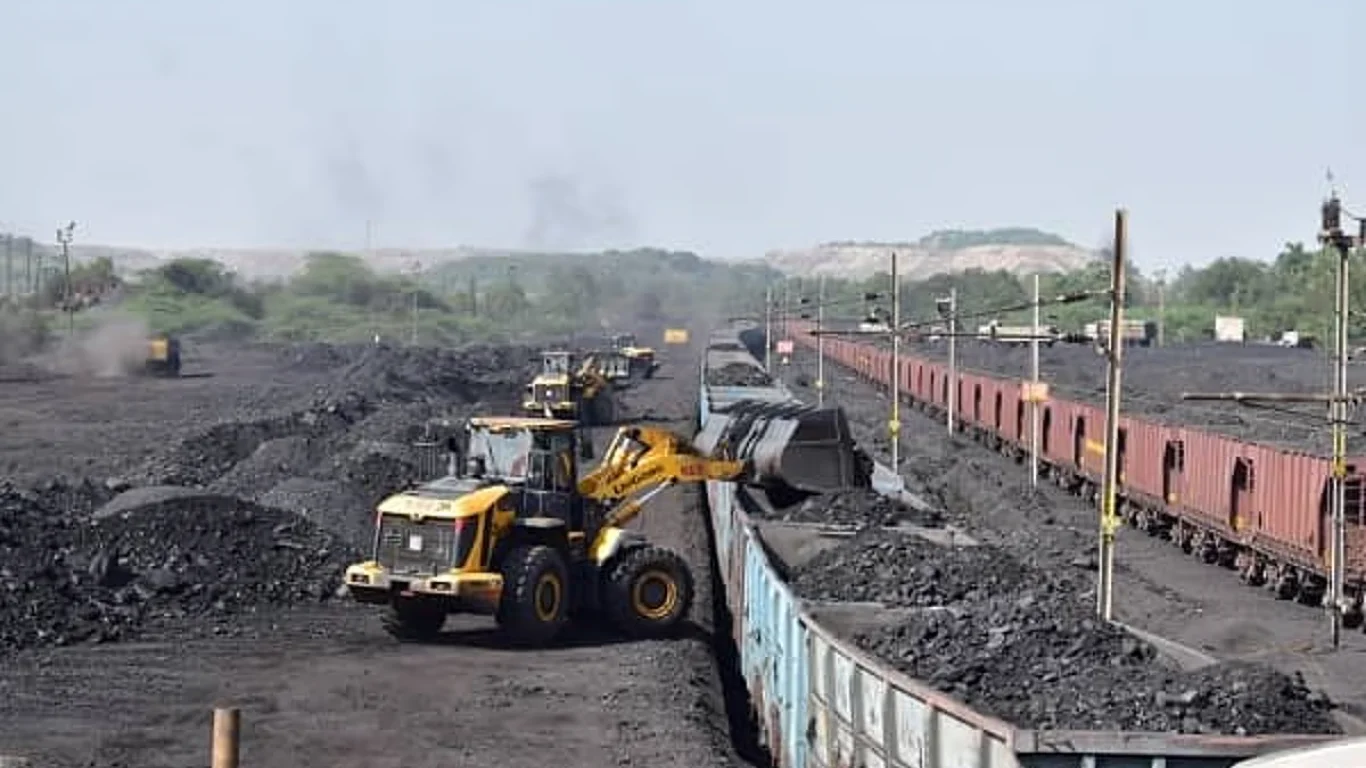
In a strategic boost to energy logistics infrastructure, Eastern Coalfields Ltd (ECL), a subsidiary of India’s largest coal producer, has commissioned a ₹110-crore railway siding aimed at strengthening coal evacuation efficiency in the Salanpur region of West Bengal. The rail-linked platform, designed to handle up to six million tonnes of coal annually, addresses persistent bottlenecks in dispatch systems that have long constrained industrial supply chains across eastern India.
The new Dalmia Railway Siding, inaugurated earlier this week, spans more than 70 acres and integrates modern loading infrastructure with the Eastern Railway network under the Asansol Division. Featuring twin 650-metre coal-loading platforms and a dedicated weighbridge, the facility is positioned to accelerate the flow of coal from pitheads to end-use destinations, significantly lowering turnaround times and logistics costs. For urban and industrial planners, efficient coal evacuation remains critical to ensuring energy security for power plants and steelmakers that underpin urban growth and manufacturing clusters. Congested rail corridors and heavy reliance on road haulage have historically inflated costs and carbon emissions. The new siding promises to shift a larger share of bulk freight onto rail — a more energy-efficient mode of transport — aligning with broader national goals for sustainable logistics optimisation.
“The addition of this siding is a major step in easing freight logistics,” said a senior logistics analyst. “It reduces non-productive transit time and enhances reliability for critical energy supply chains, which urban economies depend on for electricity and industrial inputs.” Industry voices also note that by improving first-mile connectivity, the project dovetails with the government’s push to expand rail-based coal movement, which is projected to generate substantial savings in freight costs and reduce highway congestion. The investment was executed by state-owned engineering firm RITES Ltd, reinforcing the role of specialised rail logistics contractors in facilitating infrastructure upgrades that support energy and industrial sectors. The design flexibility achieved through mechanised loading using pay loaders is expected to enhance operational responsiveness to fluctuating demand patterns across coal-dependent regions.
Beyond logistics enhancements, the project is expected to deliver employment opportunities and support ancillary economic activity in the Asansol-Durgapur industrial belt, a key node for manufacturing and heavy industries in eastern India. Local trade and transport stakeholders emphasise that reducing dependence on road freight can also lead to lower maintenance costs and improved safety outcomes for rural and urban communities alike.Environmental planners note that a modal shift from road to rail in bulk freight transport contributes to lower greenhouse gas emissions per tonne-kilometre moved, a small but meaningful step in the broader transition toward cleaner logistics networks. However, they caution that long-term decarbonisation will require parallel investments in low-emission traction technologies and renewable energy deployment within rail networks.
As India continues to balance its energy needs with climate and infrastructure goals, initiatives like the Salanpur railway siding illustrate how targeted infrastructure spending can enhance operational efficiency, reduce systemic bottlenecks and support sustainable industrial growth in coal-anchored regions.