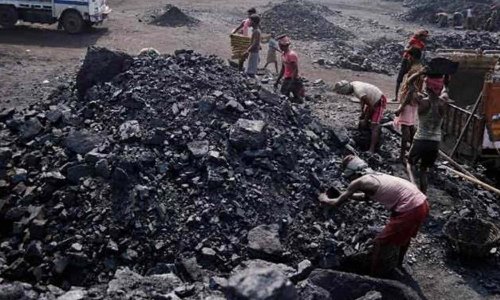
West Bengal is advancing a major energy infrastructure initiative in Paschim Bardhaman, where preparatory work has begun on a Rs 13,052 crore coal gasification facility intended to convert domestic coal reserves into synthetic natural gas (SNG) — a potential pivot point for energy supply diversification in eastern India. Mahanadi Coalfields record output notwithstanding, this project reflects a broader industrial shift towards integrating fossil fuel assets into cleaner fuel pathways while sustaining local economic activity.
The project is being developed by Coal Gas India Ltd (CGIL) — a joint venture formed by major public sector energy companies — with Projects & Development India Ltd (PDIL) acting as the technical consultant. The recent tender invitation for the Air Separation Unit (ASU), a core facility that supports gasifier operation, marks one of the first concrete procurement steps toward construction.Coal gasification is a process that transforms coal into synthesis gas (a mix of hydrogen and carbon monoxide), which can then be upgraded into SNG or used as a feedstock for chemicals and fuels. For West Bengal — a state with significant coal endowment but relatively limited access to pipeline natural gas — developing domestic SNG capacity could strengthen energy security, reduce dependence on imported LNG, and support industrial users in the power and chemical sectors.
Industry analysts note that this Bardhaman project is part of a wider national coal gasification strategy, which aims to convert a portion of India’s high-ash coal into cleaner synthetic fuels. Under central government directives, efforts to deploy gasification technologies are underway in multiple coal belts — including Odisha and Jharkhand — driven by policy targets that envisage up to 100 million tonnes of coal gasification capacity by 2030.From an infrastructure standpoint, the Bardhaman facility occupies a strategic position near existing rail and industrial networks — a logistical advantage that can streamline coal supply and SNG distribution once production begins. For local firms, the project signals potential growth in ancillary sectors such as fabrication, civil works, and transport logistics. Urban planners see such industrial clusters as double-edged: while they can generate jobs and strengthen regional economies, they also require careful planning to manage environmental impacts and integrate with broader low-carbon goals.
Environmental experts emphasise that coal gasification is not emissions-free; its climate benefits hinge on integrating carbon capture, utilisation, and storage (CCUS) systems and optimising energy efficiency. With India’s commitments under its climate action plan, projects like Bardhaman must balance near-term energy needs with long-term decarbonisation pathways.For communities in West Bengal’s coal belt, the facility presents opportunities and challenges — from employment generation and skills development to concerns about industrial pollution and land use. Effective stakeholder engagement and environmental monitoring will be critical as the project transitions from planning to implementation.
As the Bardhaman gasification venture moves into tendering and site development, policymakers, planners, and industry leaders alike will be watching whether this initiative can both secure reliable energy supplies and align with broader climate and sustainability objectives.