


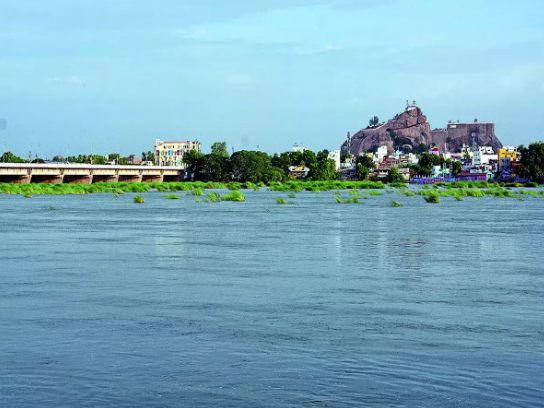
BENGALURU: The recent slowdown in monsoon activity over Karnataka has heightened tensions with Tamil Nadu over the sharing of Cauvery river water. This escalating conflict was evident at the latest Cauvery Water Management Authority (CWMA) meeting, where both states firmly maintained their positions on the contentious issue.
Karnataka, the upper riparian state, highlighted the significantly reduced inflow into its four reservoirs within the Cauvery river basin as a primary reason for its inability to release water to Tamil Nadu according to the month-wise schedule set by the Cauvery Water Dispute Tribunal. From June 1 to June 24, Karnataka’s reservoirs received only 7.3 TMC feet of water, a stark contrast to the 30-year average of 24.4 TMC feet for the same period. Karnataka officials indicated that future water releases would depend on the behaviour of the monsoon and subsequent reservoir inflows.
Tamil Nadu, however, vehemently objected to Karnataka’s stance, demanding that the CWMA direct Karnataka to adhere to the prescribed water release schedule. The Tamil Nadu delegation accused Karnataka of conserving water at the expense of Tamil Nadu’s needs, arguing that Karnataka had not released water into its canals to preserve it for drinking purposes. Tamil Nadu, on the other hand, had already released 3.9 TMC feet of water from its reservoirs despite prevailing distress conditions. In its submission to the CWMA, Karnataka emphasised the severe 70% distress conditions at its reservoirs, arguing that it had prioritised conserving water for drinking purposes. Karnataka requested that the authority monitor the evolving situation until the end of July and make a considered decision based on the hydrological scenario at that time. As of June 24, Karnataka had released 5.3 TMC feet less than the mandated quantity to Tamil Nadu. The CWMA had previously directed Karnataka to release 31.2 TMC feet for July, a target that now seems increasingly challenging to meet.
The CWMA decided to review the situation again on July 27, considering the monsoon’s performance in the interim. However, if the monsoon does not improve in the coming week, tensions between Karnataka and Tamil Nadu are likely to intensify. Some respite came on Wednesday with rainfall in the catchment areas, but it remains to be seen whether this will be sufficient to ease the water-sharing conflict. The situation is exacerbated by widespread deficit rainfall across Karnataka, particularly in North Karnataka where some districts have experienced up to a 60% shortfall. Even the typically water-rich Malnad districts have reported below-normal rainfall, compounding the state’s overall water crisis. Last year’s severe drought, one of the worst in over a century, saw similar tensions between Karnataka and Tamil Nadu from November to February, underscoring the persistent nature of the Cauvery water dispute and the critical importance of effective monsoon management for both states. This ongoing conflict highlights the urgent need for sustainable and equitable water management strategies in the face of erratic climatic conditions and growing water scarcity.
