


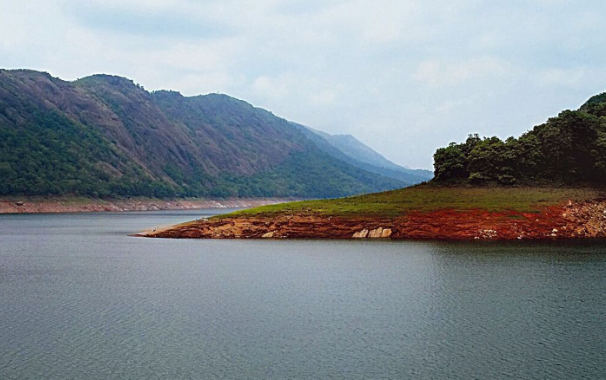
Panaji: In a promising development for Goa’s water security, the Chief Engineer of the Water Resources Department (WRD) reported that water levels in the state’s reservoirs are 4-5% higher this year compared to the levels typically recorded at the end of June. This increase, while currently satisfactory, underscores the importance of the July rainfall in determining the long-term water storage capacity for the non-monsoon months.
The reservoirs in question include six major and minor ones, whose stored water from June to September must sustain the state until May of the following year. Additionally, water from the Tillari reservoir in Dodamarg, Maharashtra, serves as a crucial supplement for Goa’s water needs, which is then processed and supplied to various treatment plants and for drinking purposes. The WRD Minister elaborated on the state’s proactive measures to combat seasonal water shortages. Highlighting ongoing infrastructure projects, he mentioned the construction of 100 new bandharas across various rivers to bolster raw water storage. This initiative aims to address Goa’s current shortfall during the summer months, a recurring challenge for the state. A significant project nearing completion is the new barrage in Sal village, Bicholim. Once finished, it is expected to substantially mitigate the raw water deficit in North Goa. The minister expressed confidence that these efforts would resolve the raw water shortage by December 2025, aligning with the completion of these vital projects. June’s rainfall in Goa exceeded expectations with a 2.8% surplus, contributing to the rising water levels in reservoirs. As of now, the Selaulim reservoir, which supplies South Goa, is 61% full.
The Chapoli reservoir stands at 58%, while the Gaunem reservoir in Canacona is at 75%. The Panchwadi or Mhaisal reservoir in Shiroda is 43% full, catering to the water needs of Shiroda and its surrounding areas. In Bicholim, the Amthane reservoir, which serves Bardez, Pernem, and parts of Bicholim, has reached 53% of its capacity. However, the Anjunem reservoir in Sattari remains notably lower at 27%. These figures illustrate the varied impact of the monsoon across different regions of the state. The state’s concerted efforts to enhance water storage capacity are critical, especially given the increasing demand and the necessity for sustainable water management. The WRD’s initiatives, coupled with favourable monsoon patterns, are anticipated to significantly bolster Goa’s water security in the coming years. The July rainfall will be closely monitored to ensure the reservoirs are adequately replenished to meet the state’s needs throughout the year. Goa’s strategic infrastructure developments reflect a robust commitment to long-term water management and sustainability, addressing seasonal challenges and ensuring a reliable water supply for all residents. As these projects progress, they promise to transform the water security landscape of the state, aligning with broader goals of environmental sustainability and resource management.
