


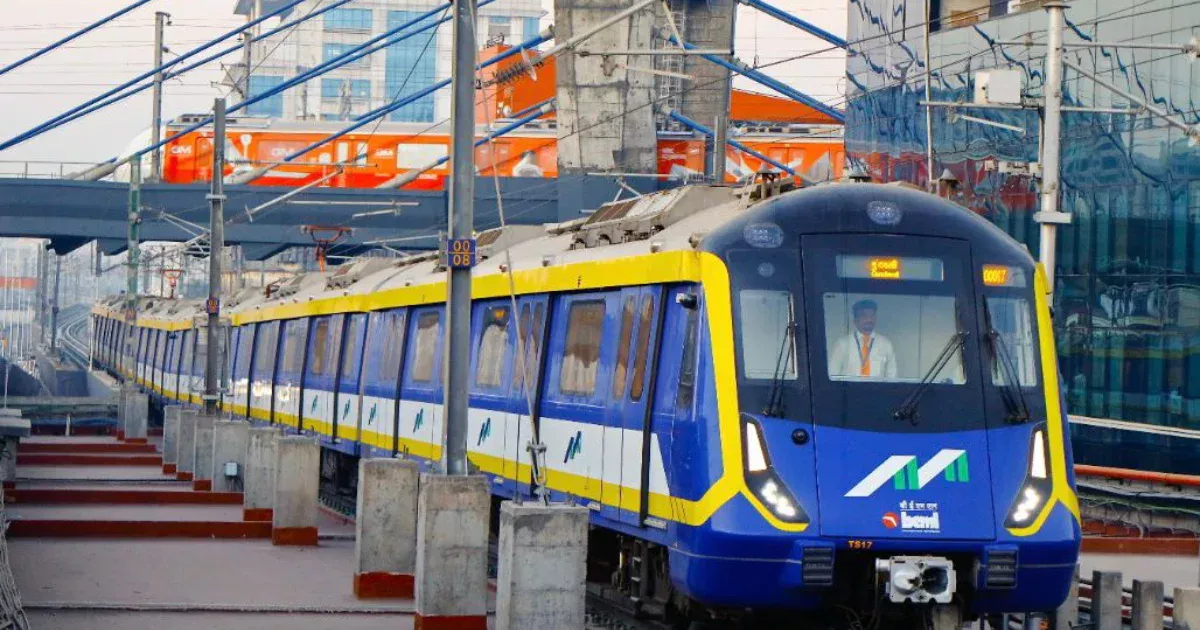
Urban authorities in Visakhapatnam have accelerated plans for a critical underpass along the NAD–Airport corridor, with the Visakhapatnam Metropolitan Region Development Authority intensifying coordination with the Visakhapatnam Metro Rail Corporation to ensure seamless integration of road and metro infrastructure. The move is aimed at easing persistent congestion near Kakani Nagar and the Naval Armament Depot junction while future-proofing the corridor for upcoming rail connectivity.
At a high-level review meeting held this week, senior officials examined engineering alignments for the proposed underpass, estimated at approximately Rs 12.5 crore. Technical teams focused on synchronising the road design with the positioning of planned metro pillars to avoid costly redesigns or structural conflicts at a later stage.The NAD–Airport stretch is one of the city’s busiest arterial routes, serving residential neighbourhoods, defence establishments and airport-bound traffic. Traffic bottlenecks in the area have intensified over the past decade as Visakhapatnam’s urban footprint expanded northwards. Planners say that integrating the underpass with metro infrastructure at the design stage reflects a shift towards coordinated mobility planning rather than piecemeal road widening.
Urban transport experts note that grade separators such as underpasses can significantly improve junction capacity when combined with mass transit corridors. However, they caution that long-term congestion relief depends equally on public transport uptake, pedestrian safety and last-mile connectivity. Aligning civil works with metro infrastructure may also help minimise disruption once rail construction begins in full swing.Officials indicated that construction readiness is being prioritised so that work can begin promptly after clearance of encroachments in the project zone. Revenue authorities are currently handling land-related formalities, a process that often determines timelines for urban infrastructure rollout.
The emphasis on inter-agency coordination is significant for Visakhapatnam’s broader mobility ambitions. As the city prepares for metro rail implementation, synchronising underground utilities, drainage systems and traffic diversions with new road structures can prevent repetitive excavation and escalating costs.For residents along the NAD–Airport corridor, the underpass promises smoother travel and potentially lower vehicular idling emissions once operational. From an environmental standpoint, reducing congestion hotspots can contribute to marginal improvements in local air quality, particularly in high-density intersections.
As coastal cities like Visakhapatnam invest in integrated transit systems, the effectiveness of such coordination models could influence how future flyovers, underpasses and rail corridors are planned. The success of the Kakani Nagar–NAD intervention may therefore serve as a template for aligning road infrastructure with emerging metro networks across secondary Indian cities.
Also Read:Chennai Adjusts Train Operations To Ease Suburban Delays
VMRDA Metro coordination eases NAD traffic
