


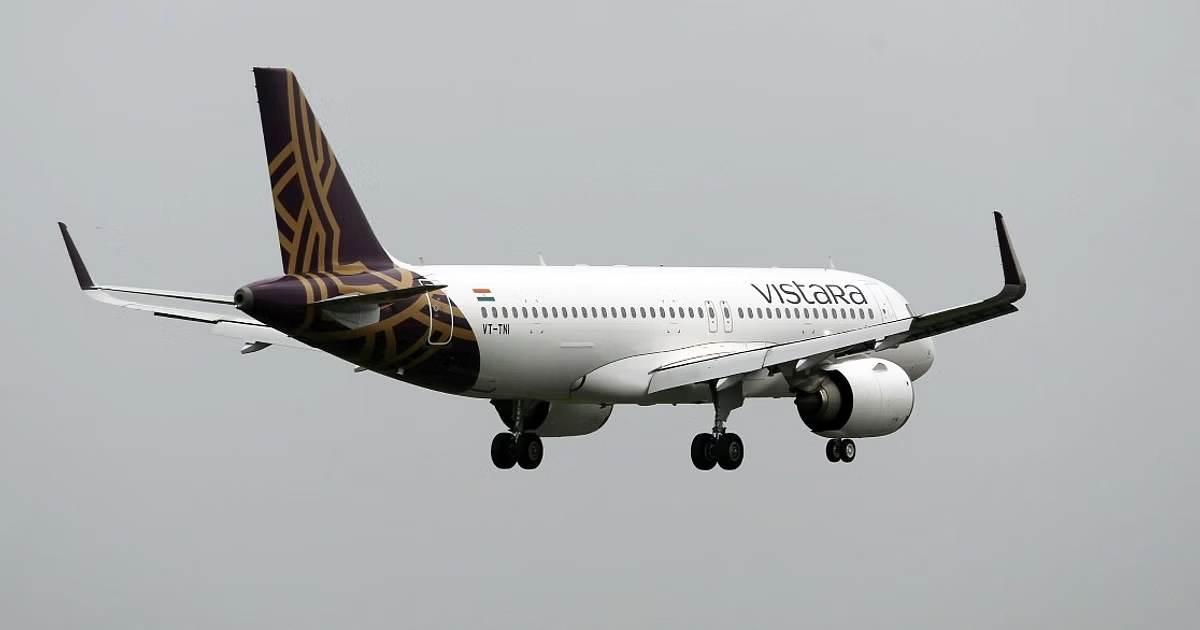
Vistara to Pay Rs 2.6 Lakh Over Unpleasant Flight Experience
In a significant consumer rights ruling, the Chennai North District Consumer Disputes Redressal Commission has ordered TATA SIA Airlines Vistara to pay a compensation of Rs 2.6 lakh to a couple who were subjected to an unbearable stench throughout their journey on a Mumbai to Chennai flight. The incident highlights critical issues concerning customer service in the aviation industry, as passengers are increasingly becoming aware of their rights to comfort and dignity during air travel.
The ordeal began in March 2023 when the couple, A Loba Mudra and PR Balasubramaniam, boarded a Vistara flight from Mumbai to Chennai. As soon as they entered the aircraft, a strong smell of urine emanating from the rear lavatory overwhelmed them. Initially, they assumed the flight attendants would address the problem before takeoff. However, as the flight continued and passengers began using the toilet, the stench intensified, making it impossible for the couple to relax during their journey.
Loba Mudra, an asthmatic patient, found herself particularly affected by the stench. She struggled to breathe, experiencing symptoms like headaches, throat irritation, and nausea, leading to heightened anxiety. Despite trying to avoid the smell and asking the crew to either clean the lavatory or restrict its use, the issue was never resolved satisfactorily. The couple’s request to be relocated to more comfortable seats was denied, and their plea for a solution was met with rude responses from the cabin crew.
Mental Agony and Airline’s Service Deficiency
The couple’s complaint centred around what they termed as a clear deficiency in service, claiming that their mental agony and physical distress were exacerbated by the airline’s lack of response. As the situation worsened, Loba’s acute breathlessness forced her to ask for an upgrade to the front seats at an extra cost, but the crew refused. This lack of empathy for a passenger with medical conditions has raised concerns over how airlines handle passengers with special requirements. Furthermore, the crew allegedly suggested the couple leave the plane and go through another security check, offering little in the way of assistance.
The flight was delayed by 15 minutes due to operational issues, but the odour continued to linger throughout the journey. According to the complainants, the situation deteriorated to the point where they could not eat their food, and the unpleasant smell dominated their flight experience. This led them to lodge a formal complaint, citing severe discomfort and poor customer service, which they believed warranted compensation.
Consumer Commission Ruling: Compensation for Agony and Loss
In light of the couple’s grievances, the consumer commission ruled that Vistara must pay Rs 2.5 lakh as compensation for mental suffering, pain, and the monetary loss they incurred due to the unpleasant experience. Additionally, the airline was instructed to pay Rs 5,000 each towards litigation costs. This ruling highlights the importance of accountability in air travel, particularly in how airlines address issues of comfort, safety, and customer wellbeing. It also serves as a wake-up call for airlines to ensure that such lapses do not tarnish their reputation and disrupt their passenger experience.
This case exemplifies the need for robust operational standards within the aviation sector, particularly with respect to passenger services. In today’s world, where customer experience is paramount, airlines must evolve to meet higher expectations. The rise of consumer protection laws has empowered passengers to seek redressal, signalling a shift in the way air travel providers interact with customers.
Sustainability and Civic Concerns in Air Travel
Beyond the immediate issues of customer service, this incident also raises concerns about environmental sustainability in the aviation industry. The inability to maintain hygienic standards on a flight not only affects passengers’ health but also raises broader questions about waste management and resource allocation within airlines. As the industry is increasingly scrutinised for its carbon footprint and resource-intensive operations, it’s imperative for airlines to invest in sustainable practices.
This includes adopting more eco-friendly materials, improving waste disposal systems on board, and ensuring that such basic maintenance issues are addressed promptly. Additionally, airlines must take greater responsibility for ensuring that health and safety standards are met at all times, considering the diverse range of passengers they serve, including those with pre-existing medical conditions. The Vistara case serves as a reminder that passenger wellbeing should be at the heart of the aviation industry’s operational protocols.
