


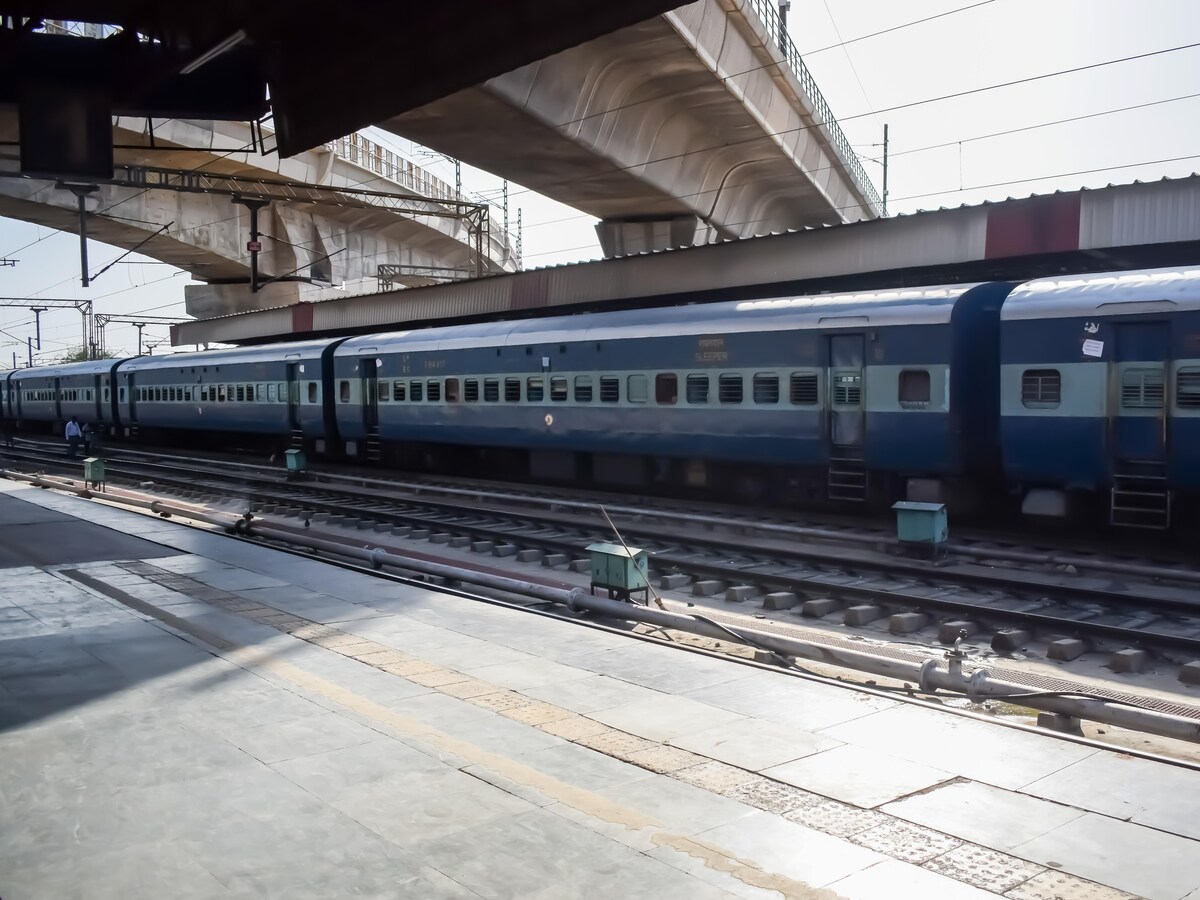
The Visakhapatnam Electric Loco Shed has emerged as a pioneer in the East Coast Railway Zone. The shed has become the first to commission the indigenously developed ‘Kavach’ Train Collision Avoidance System (TCAS) on its locomotives. This milestone marks a crucial step in the national effort to achieve zero-accident operations, leveraging cutting-edge technology to create a more resilient and secure transport system. The integration of this system is a testament to the city’s commitment to building a smarter, safer, and more sustainable urban environment, a core tenet of our vision for the future.
The ‘Kavach’ system, a state-of-the-art technology, is designed to prevent collisions by providing real-time signal information directly to the loco pilot’s cabin. It operates on a robust wireless communication network, enabling seamless data exchange between the train’s on-board systems and the station’s interlocking infrastructure. The technology uses RFID tags placed along the tracks to provide precise positioning, ensuring that the system can accurately monitor the train’s location and speed. By automating critical safety functions, ‘Kavach’ acts as an additional layer of protection, mitigating the risk of human error and enhancing operational confidence, even at high speeds. This indigenous solution aligns with the larger national agenda of self-reliance and technological innovation.
The Visakhapatnam Electric Loco Shed has been entrusted with the task of equipping 186 locomotives with the ‘Kavach’ units. To support this massive rollout, the shed has developed a dedicated 600-metre test track and installed a ‘station Kavach’ system, allowing for extensive trials and calibration. This proactive approach underscores the division’s commitment to a seamless and efficient integration of the new technology. The inauguration of the new facility and the flag-off of the first ‘Kavach’-equipped locomotive represents a pivotal moment for the region’s rail infrastructure, setting a precedent for other divisions to follow. The initiative demonstrates how a focus on safety can be a catalyst for technological adoption and operational excellence.
The ‘Kavach’ system’s features address some of the most pressing safety challenges faced by the Indian Railways. It provides automatic protection against head-on collisions, prevents signal-passing violations, and automatically regulates train speed to match the signal aspects. This technology not only prevents accidents but also enhances overall efficiency by reducing the risk of overspeeding incidents. The real-time updates and constant communication between the train and the track infrastructure ensure that the loco pilot has all the necessary information to make informed decisions, especially in difficult weather conditions or low-visibility situations. This technological leap contributes to a more reliable and secure travel experience, essential for the growth of a modern, eco-friendly transport network.
The commissioning of ‘Kavach’ in Visakhapatnam is a powerful statement about the city’s role in India’s technological and infrastructure revolution. It is a clear example of how strategic investment in indigenous, smart technology can lead to significant improvements in public services. This move will not only ensure a safer journey for lakhs of passengers but also serve as a blueprint for creating zero-net-carbon, resilient, and inclusive cities. The adoption of such advanced safety systems is a foundational step towards building a transport network that is both efficient and sustainable, safeguarding human life and serving the greater interest of society.
Also Read :Delhi-based Luxury Train Embarks on Pan-India Char Dham Pilgrimage
