


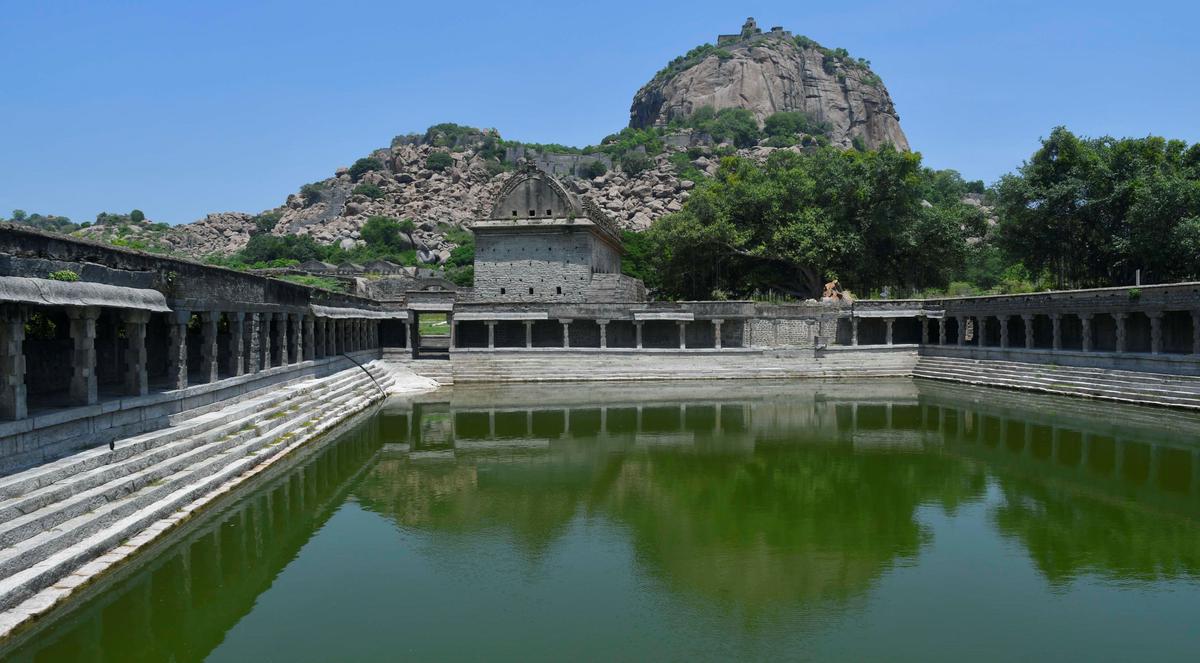
In the peak of the summer tourist season, the historic Gingee Fort in Tamil Nadu’s Villupuram district is drawing criticism for a stark lack of basic public infrastructure.
Tourists visiting the centuries-old monument are enduring severe discomfort, with essential amenities like drinking water and restrooms either non-functional or entirely inaccessible. Designated as a protected monument by the Archaeological Survey of India (ASI), Gingee Fort is widely regarded as one of Tamil Nadu’s architectural marvels. But even as the mercury crosses 40°C and footfall peaks during the school holidays, authorities have failed to provide the minimum infrastructure needed to support a safe and welcoming visitor experience. Families, many of whom arrive with young children and elderly members, have found themselves forced to shorten their visits due to the absence of drinking water facilities and locked toilets throughout the fort complex.
Visitors report walking for hours through the rugged and expansive terrain, only to return dehydrated and without access to sanitation. At one of the busiest tourism sites in northern Tamil Nadu, such failures raise serious concerns about heritage management and inclusive tourism. With no signage for rest areas, non-operational taps, and toilet blocks bolted shut, tourists are relying on overburdened local vendors for bottled water. Stock shortages and high temperatures have only worsened the situation. What’s particularly alarming is that these issues recur annually. While the fort is periodically promoted during state tourism drives, the ground-level execution remains worryingly absent.
Ticket counters, which are meant to function as first points of contact for assistance and crowd management, were found unattended during random checks. This has raised larger questions about accountability among custodians of protected heritage zones. The neglect is not only undermining visitor experience but also damaging the reputation of a fort once hailed as the “Troy of the East.” Built in the 12th century and expanded by successive rulers, Gingee Fort holds immense cultural, architectural, and strategic significance in South Indian history. However, the current state of infrastructure does little justice to its stature or sustainability as a tourism asset. In an era where responsible tourism and sustainable infrastructure are seen as crucial components of urban and rural development, the absence of eco-sensitive planning at such high-value monuments is a missed opportunity. Ensuring that tourist destinations are accessible, inclusive, and environmentally resilient is key to balancing conservation with economic growth.
While the ASI is tasked with preserving the monument, tourism and local administrative bodies share equal responsibility for providing essential services. As visitor expectations rise and climate conditions grow harsher, it is imperative that historic destinations like Gingee Fort are not left to endure avoidable neglect. The silence from authorities so far has been telling. With growing public interest in local heritage and sustainable travel, there is a clear case for an urgent review and immediate intervention to restore not just the grandeur of Gingee Fort, but also the dignity of those who visit it.
Also Read :Bengaluru clears drain blocks to stop flooding before monsoon rains
