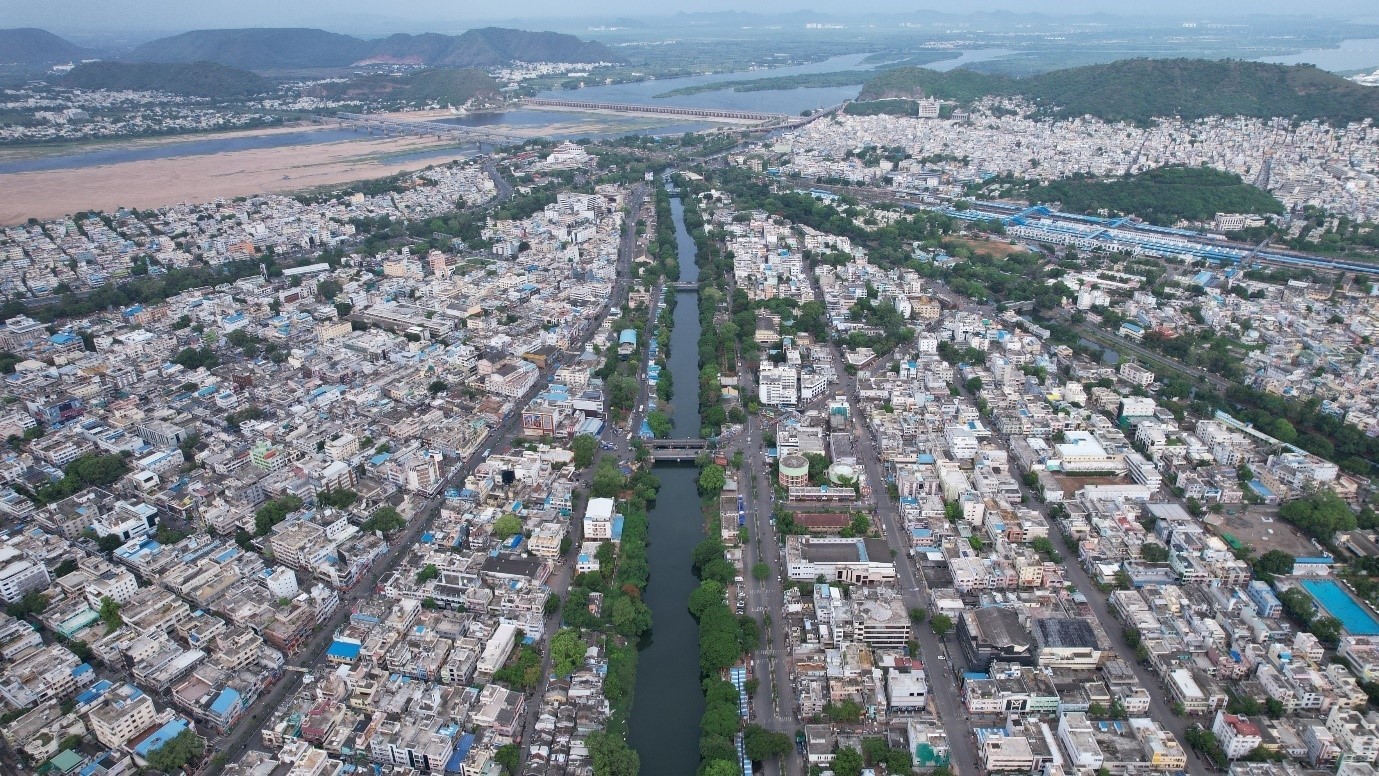
Vijayawada has once again demonstrated its unwavering commitment to urban sustainability, securing the prestigious ‘Super Swachh League City’ award and a commendable fourth position nationally among cities with over 10 lakh residents. This significant achievement, presented by the nation’s highest office, underscores a remarkable urban resilience, particularly as it follows the challenging September 2024 floods. The city’s consistent dedication to cleanliness and eco-friendly practices has solidified its standing as a model for sustainable urban development.
The recognition, bestowed during the Swachh Survekshan 2024-25 Awards ceremony in New Delhi, highlights Vijayawada’s consistent performance in national cleanliness rankings. Beyond its impressive fourth-place finish, trailing only Indore, Surat, and Navi Mumbai, the city also earned a coveted seven-star rating as a ‘Garbage Free City’. This dual honour is a testament to the comprehensive waste management strategies and citizen engagement initiatives implemented across the urban landscape, fostering an environment conducive to public health and ecological balance.
Eligibility for the ‘Super Swachh League’ award demands sustained excellence, requiring cities to have ranked among the top three at least once in the past three years and consistently maintained a position within the top twenty until 2024. This stringent criterion underscores Vijayawada’s long-term vision and operational efficiency in maintaining high standards of urban sanitation. The city’s ability to not only meet but exceed these benchmarks, even in the face of natural calamities, speaks volumes about its robust infrastructure and dedicated civic administration.
The journey to this accolade was particularly challenging given the September 2024 floods, which severely impacted the city. Despite this significant setback, the urban administration, supported by various departments and the tireless efforts of sanitation workers, ensured a swift recovery and restoration of normalcy. This collective endeavour prevented a decline in cleanliness standards, showcasing an exemplary model of disaster preparedness and post-calamity urban management. Such resilience is crucial for building future-proof, zero net carbon cities that can withstand environmental pressures.
This consistent dedication to cleanliness directly contributes to the broader goals of creating eco-friendly and equitable urban spaces. Effective waste management reduces carbon footprints, improves air and water quality, and enhances the overall livability for all residents, irrespective of their socio-economic background. The city’s continuous pursuit of excellence in sanitation serves as an inspiring blueprint for other urban centres striving to achieve a harmonious balance between rapid development and environmental stewardship, fostering truly sustainable and inclusive communities.