


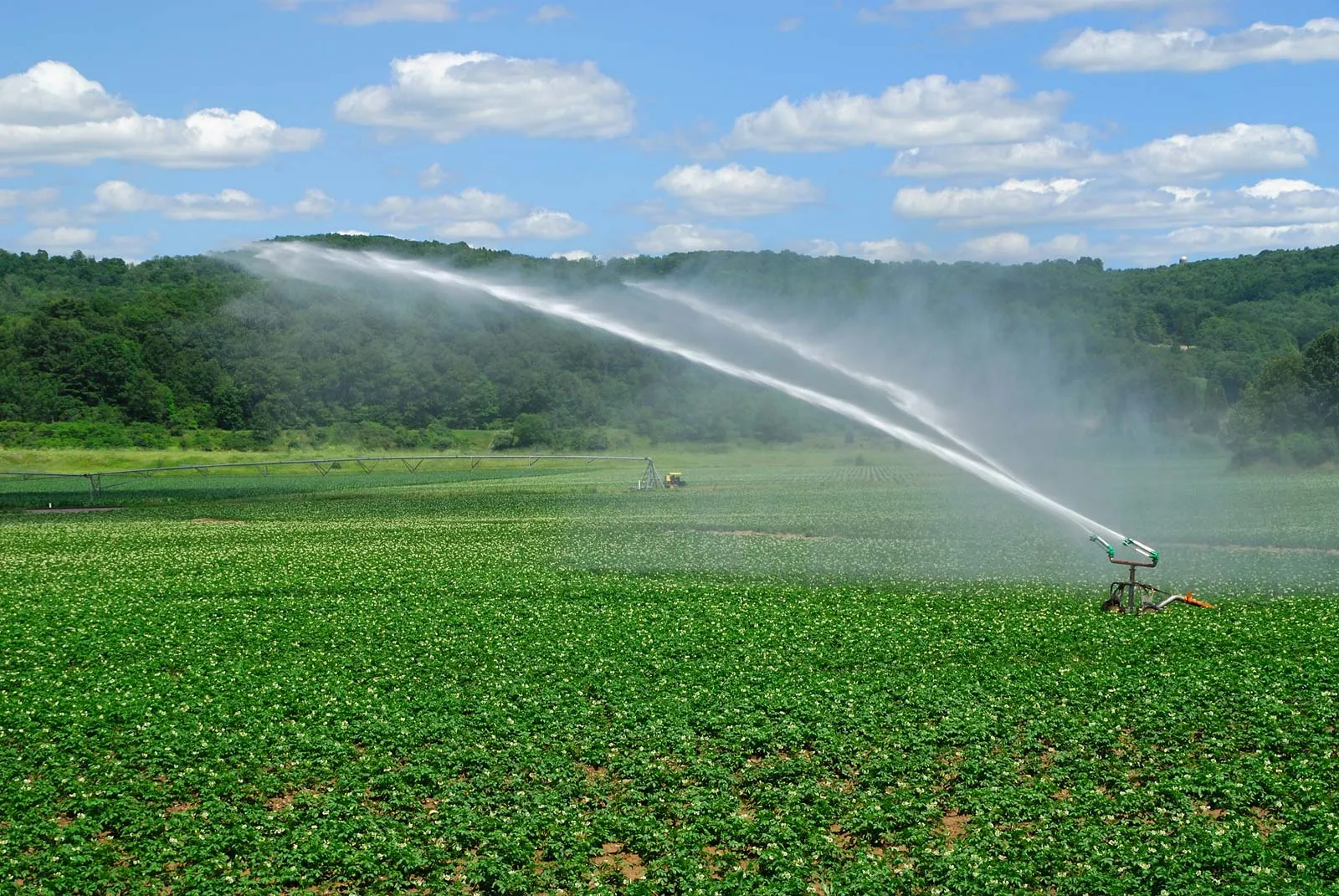
A large share of irrigation infrastructure projects in Vidarbha remain unfinished, raising concerns about water security, agricultural productivity and regional development across eastern Maharashtra. Officials reviewing project status have indicated that most sanctioned irrigation schemes in the region are yet to be completed, leaving significant portions of farmland dependent on unpredictable rainfall. The situation has drawn attention to the Vidarbha irrigation projects delay, which continues to affect farmers and rural communities across the region. Irrigation systems are critical for stabilising agricultural output, particularly in districts where monsoon rainfall is highly variable and drought conditions are common.
Agricultural experts say incomplete irrigation networks limit the ability of farmers to diversify crops and adopt higher-value agriculture. Without reliable access to water, cultivation remains heavily dependent on seasonal rainfall, increasing economic risks for rural households. The Vidarbha irrigation projects delay also has implications for urban development in nearby cities. Water resources used for agriculture often overlap with those required for municipal supply, industrial use and ecosystem preservation. When irrigation systems remain unfinished, pressure on shared water sources can intensify during dry seasons. Urban planners note that regions experiencing rapid population growth must balance rural water needs with expanding urban demand. Cities such as Nagpur rely on reservoirs and river systems that also serve surrounding agricultural districts. Efficient irrigation infrastructure can reduce conflicts over water allocation by improving storage and distribution efficiency. Infrastructure specialists point out that irrigation development is not only about agriculture but also about regional economic resilience. Well-managed water systems enable consistent crop production, support food supply chains and contribute to the stability of rural economies that feed urban markets. The Vidarbha irrigation projects delay highlights broader challenges in large infrastructure programmes. Complex land acquisition processes, environmental clearances, funding constraints and construction delays often slow the completion of long-term water projects. Climate change is further intensifying the urgency of these investments. Rising temperatures and shifting rainfall patterns are making water management more difficult across central India. Irrigation infrastructure can help mitigate these risks by storing water during heavy rainfall and distributing it during dry periods. Policy analysts argue that improving governance and monitoring systems is essential for accelerating project completion. Transparent timelines, digital project tracking and stronger coordination between departments could help ensure that irrigation infrastructure is delivered more efficiently.
For Vidarbha’s agricultural communities, the completion of pending projects could significantly improve livelihoods and reduce vulnerability to drought. Reliable irrigation systems allow farmers to plan cropping cycles with greater confidence and reduce dependence on unpredictable weather. As Maharashtra continues to address regional development disparities, resolving the Vidarbha irrigation projects delay may become a critical step in strengthening both rural economies and long-term water sustainability across the state.
ALSO READ – Maharashtra Pre Monsoon Storms Ease Extreme Heat
Vidarbha Irrigation Projects Delay Affects Regional Development
