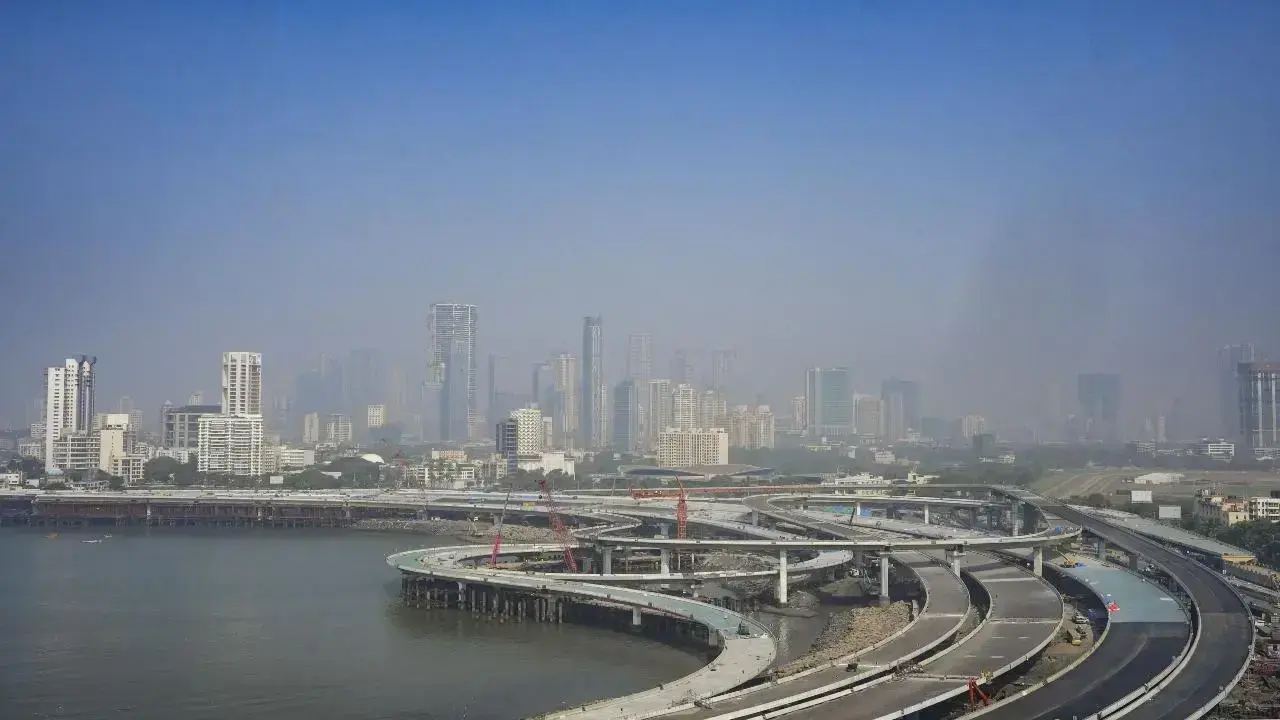
Mumbai’s proposed Versova–Bhayander coastal corridor is being positioned as a major mobility upgrade for the metropolitan region, with authorities estimating that nearly a quarter of the region’s population could benefit from improved connectivity. However, the project is also drawing scrutiny over its ecological footprint and the implications for coastal livelihoods, highlighting the complex trade-offs in large-scale urban infrastructure.
The 23-kilometre coastal road aims to enhance north-west connectivity across the Mumbai Metropolitan Region, easing travel times and decongesting arterial routes. Officials involved in project planning suggest that the corridor has been designed to serve a significant share of the region’s population, based on projected mobility demand and urban growth patterns. The anticipated benefits include faster commutes, improved logistics efficiency, and reduced pressure on existing road networks. Yet, as construction activity progresses, concerns are emerging around environmental and community impacts. The project is expected to affect over 100 hectares of mangrove cover—an ecosystem critical to coastal protection, biodiversity, and carbon sequestration. Urban ecologists point out that mangroves act as natural buffers against flooding and storm surges, making their preservation central to climate-resilient city planning.
Authorities maintain that compensatory measures are being built into the project framework. A large-scale mangrove restoration initiative is planned, with a dedicated budget for replantation, habitat recovery, and long-term ecological monitoring. However, experts caution that recreating mangrove ecosystems is complex, with success rates often dependent on site-specific conditions and sustained maintenance. The project has also brought attention to the indirect impact on fishing communities. While the alignment does not pass directly through traditional fishing settlements, stakeholders argue that construction activity along creeks and coastal stretches could disrupt marine habitats and affect fish catch patterns. Officials say a detailed socio-economic assessment has been commissioned to identify affected groups and guide compensation and rehabilitation strategies, though concerns remain over the pace of these studies relative to ongoing construction.
Further debate has emerged around tree cover and biodiversity assessments. While civic authorities state that no trees within the project zone meet the criteria for heritage classification, local observers have raised questions about the broader ecological value of green spaces and urban biodiversity. Similarly, the absence of proximity to notified wildlife zones has been cited as a reason for limited wildlife clearances, even as environmentalists stress the importance of protecting interconnected habitats. From an infrastructure perspective, the Versova–Bhayander coastal corridor reflects Mumbai’s continued push to expand road capacity in response to rapid urbanisation. However, urban planners increasingly emphasise that future projects must integrate environmental safeguards, community engagement, and sustainable mobility alternatives to ensure balanced development outcomes.
As the project advances, its long-term success will depend not only on reducing travel time but also on how effectively it addresses ecological restoration and livelihood concerns—key benchmarks for building infrastructure that supports both growth and resilience in a coastal megacity.
Versova Bhayander Coastal Road Expected To Benefit Large Share Of Regional Population