


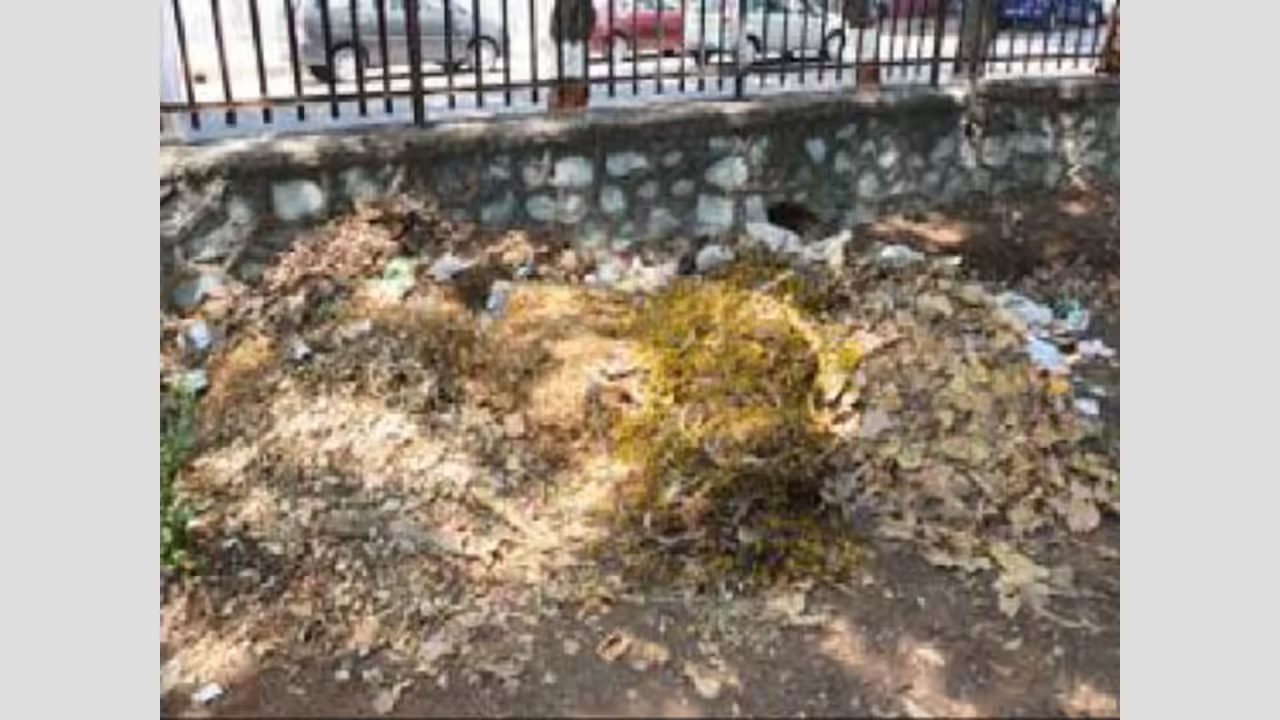
Residents of Sector 26 in Vashi have raised strong objections to a month-long garbage pile left unattended along MAFCO Road, exposing lapses in waste management and civic accountability in one of Navi Mumbai’s fast-developing residential zones. The neglected heap, located near the Koprigaon NMMC Garden, has not only become an eyesore but also a public health concern for morning walkers and nearby shopkeepers.
According to residents, while adjoining sections of the pavement are regularly cleaned, one stretch continues to be overlooked. The pile, they claim, originated when workers from a nearby housing complex disposed of debris during pre-Diwali cleaning. Since then, it has grown steadily, with passers-by and local vendors adding to the mess. “It’s disappointing that the area is otherwise maintained well, but this spot has been ignored for weeks,” said a daily walker, reflecting the growing frustration among locals. The Navi Mumbai Municipal Corporation (NMMC) has been informed multiple times, but residents allege little action has followed. Street sweepers reportedly told locals they were awaiting official instructions before clearing the site, highlighting communication breakdowns within the civic sanitation chain.
Experts suggest the incident mirrors a wider pattern of inefficiency in localised waste monitoring. “Urban sanitation systems often rely on top-down orders rather than community-led response mechanisms. This slows action on smaller civic issues that directly affect residents’ quality of life,” observed an urban governance researcher. The issue extends beyond solid waste. Residents have also raised hygiene concerns about pet owners allowing dogs to defecate along the same pavement, despite a designated “pet corner” nearby. The combination of litter and animal waste has worsened the stench and made walking routes unsafe. “This is not just about cleanliness; it’s about civic culture and shared responsibility,” said a local environmental activist.
NMMC officials acknowledged awareness of the complaint. A sanitary officer from the Turbhe division said photographic documentation was being sought to verify the extent of the problem before initiating clean-up action. “We respond to all verified complaints and will ensure swift removal once the site is inspected,” the official added. The incident underlines the pressing need for participatory urban sanitation systems, where residents, civic bodies, and community workers collaborate more efficiently. Navi Mumbai, often touted as one of Maharashtra’s better-planned satellite cities, continues to grapple with micro-level civic neglect that affects its larger sustainability goals.
As the city aspires towards becoming a model for clean, inclusive, and sustainable living, ensuring consistency in waste management — from neighbourhood pavements to large housing clusters — remains key to restoring public confidence in its urban governance model.
Also read: Maharashtra Takes Top Honors At National Water Awards, Navi Mumbai Wins Urban Category
