


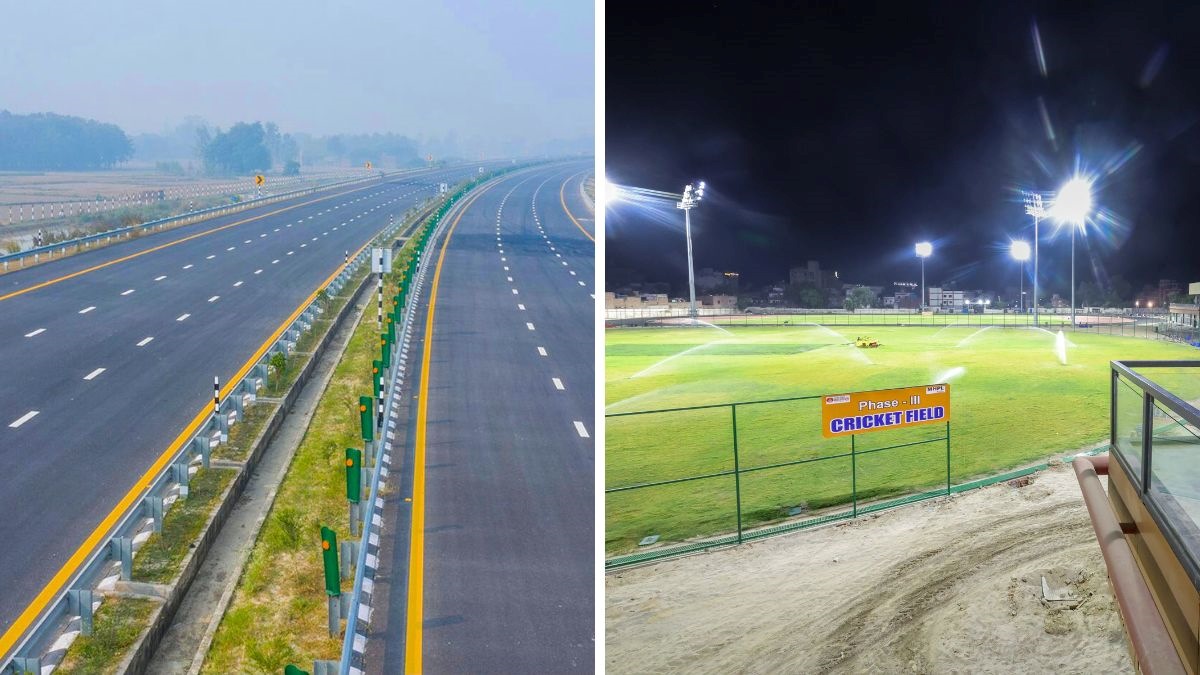
Varanasi — The Varanasi Development Authority (VDA) has proposed the creation of continuous green belts along the city’s ring road and major arterial corridors, marking a shift towards climate-responsive urban design in one of India’s fastest-transforming heritage cities. The plan, currently under administrative review, aims to integrate ecological buffers into road infrastructure projects to address rising heat stress, air pollution, and unplanned roadside development.
The proposal comes as Varanasi undergoes rapid spatial expansion driven by new highways, logistics activity, and real estate growth on the urban periphery. While improved road connectivity has boosted economic movement, urban planners warn that unchecked roadside construction and loss of vegetation are intensifying environmental risks and undermining long-term liveability. According to officials familiar with the plan, the green belts would run alongside existing and proposed road networks, including the outer ring road, serving as designated no-construction zones with landscaped buffers, native tree cover, and pedestrian-friendly edges. The intent is to prevent ribbon development, regulate land use, and create ecological corridors that improve microclimates along high-traffic routes. Urban environment specialists note that such buffers play a critical role in reducing particulate pollution, mitigating urban heat islands, and managing stormwater runoff — especially in cities like Varanasi where summer temperatures are rising and extreme rainfall events are becoming more frequent. Green belts along transport corridors can also enhance road safety by acting as visual and physical separators between fast-moving traffic and adjacent settlements.
From a planning and real estate perspective, the proposal signals a move towards more structured urban expansion. Developers operating along highway corridors have historically capitalised on weak zoning controls, leading to fragmented growth and infrastructure stress. A clearly demarcated green buffer could stabilise land-use patterns, reduce speculative sprawl, and improve the long-term value of adjacent residential and commercial developments. Economists point out that investing in green infrastructure alongside roads is increasingly seen as cost-effective. The long-term savings from reduced health impacts, lower flood damage, and improved asset durability often outweigh initial landscaping and maintenance costs. Cities that integrate green corridors early also avoid expensive retrofitting once congestion and environmental degradation set in. The plan is expected to dovetail with broader urban initiatives focused on mobility upgrades, tourism infrastructure, and heritage conservation. For a city with intense footfall and year-round activity, shaded corridors and improved air quality can enhance pedestrian comfort and support informal economic activity along designated zones without compromising environmental safeguards.
However, implementation challenges remain. Experts caution that success will depend on strict enforcement against encroachment, coordination between transport and planning agencies, and long-term maintenance funding. Without these, green belts risk being gradually eroded or repurposed. If approved and executed effectively, the green belt proposal could set a precedent for medium-sized Indian cities balancing infrastructure expansion with climate resilience. For Varanasi, the initiative reflects a growing recognition that sustainable growth is not just about building faster roads, but about shaping healthier urban environments around them.
Also Read: The Park Navi Mumbai Advances Green Hospitality
Varanasi Plans Green Corridors Along Key Roads
