


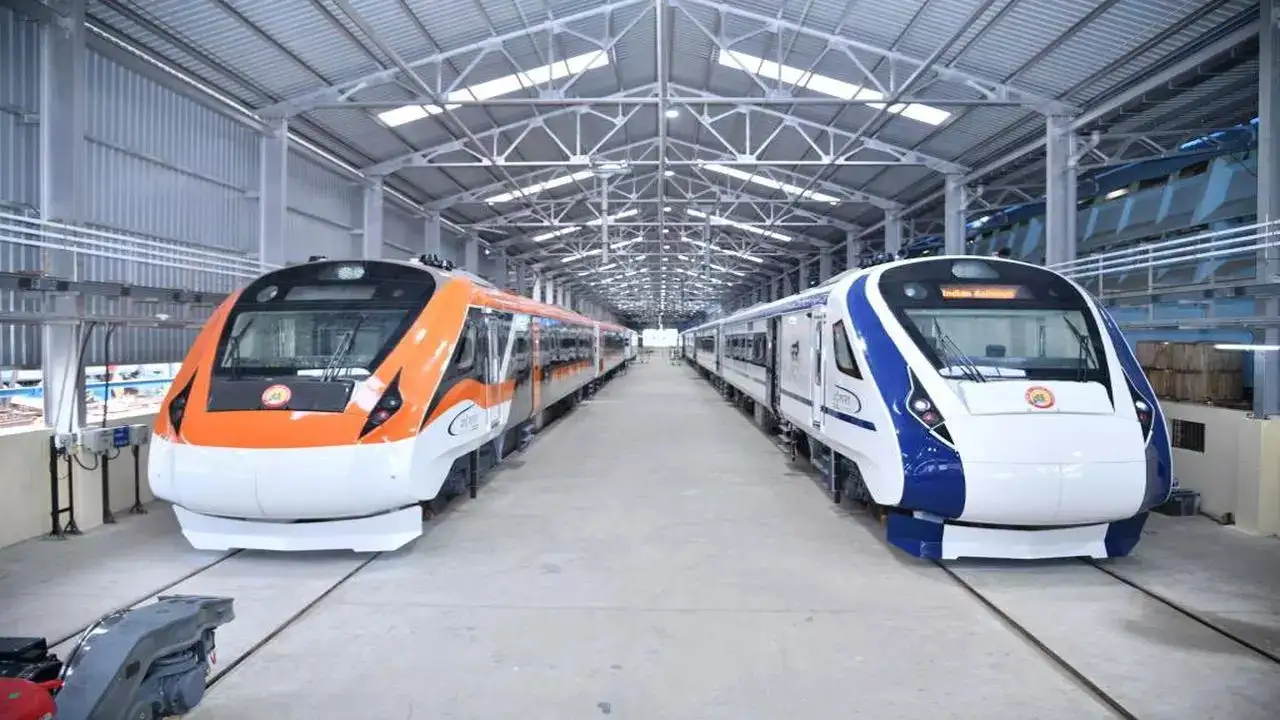
Chennai’s Vande Bharat Express trains are voicing significant discontent following theunannounced discontinuation of non-vegetarian breakfast options.
This quiet removal, reportedly without any formal notification from Southern Railway or the Indian Railway Catering and Tourism Corporation (IRCTC), has sparked widespread frustration among travellers. This evolving situation highlights a critical aspect of public service delivery in urban contexts – the importance of transparency, passenger rights, and catering to diverse dietary preferences to ensure an equitable and inclusive travel experience. Such developments in essential services can impact public trust and perceptions of modern amenities, even within the broader drive towards sustainable and efficient transportation.
The affected Vande Bharat Express routes include those connecting Chennai to Nagercoil, Mysuru, Bengaluru, and Tirunelveli. Passengers only became aware of the change at the point of booking, where the IRCTC application now displays a pop-up message stating, “Non-veg option is applicable for Lunch and Dinner only,” appearing after personal details and food preferences are entered. The absence of a formal public notice regarding this significant menu alteration has been a primary source of passenger grievance, leaving many feeling uninformed and disregarded. Southern Railway’s General Manager R.N. Singh has, to date, not responded to media inquiries on the matter, further exacerbating the lack of clarity.
Officials, when pressed for an explanation, have reportedly attributed the issue to a “technical glitch” on the IRCTC application, asserting that non-vegetarian options should, in fact, still be available. However, the lived experience of passengers directly contradicts this official stance. David Manohar, who travelled from Chennai to Nagercoil on Friday, recounted receiving only vegetarian food despite having explicitly selected the non-vegetarian option during his booking process. His attempts to seek redress through official channels were met with frustration; an IRCTC response to his complaint on a social media platform, stating non-veg was unavailable only for evening tea, was conspicuously deleted shortly thereafter. Manohar passionately articulated his position, stating, “It’s my right to choose. IRCTC can’t restrict that without informing passengers,” encapsulating the sentiment of many affected travellers.
The concerns extend beyond just the removal of non-vegetarian breakfast. Frequent travellers have also raised broader issues regarding a perceived decline in the overall quality of food served on these premium Vande Bharat trains. N. Muralidharan, a regular commuter on the Chennai–Tirunelveli route, expressed dismay, noting, “They took feedback at launch, but now there’s no response. The dal is watery, rotis are too hard for the elderly, and rice portions are minimal.” Another commuter, A.L. Selvam, added that the menu’s heavy North Indian bias alienates many Southern passengers, stating, “Most people don’t eat the food at all. It just doesn’t suit our taste.” This feedback points to a significant disconnect between passenger expectations and the catering services provided, particularly when meal costs are inherently included in the fare.
As of the current reporting, IRCTC has not issued any comprehensive clarification or official statement on the matter, leaving passengers in continued uncertainty. The ongoing demand from travellers is for transparency, a clear explanation for the unannounced changes, and a re-evaluation of food choices and quality. For India’s ambitious Vande Bharat initiative, aimed at providing a world-class rail travel experience, addressing such fundamental passenger concerns about basic amenities like food is crucial. It underscores the importance of a human-centric approach to public services, where diverse preferences are acknowledged, communication is transparent, and quality is consistently maintained. Failure to address these grievances risks eroding public trust in what is otherwise a significant leap in modernising India’s rail network, a network vital for connecting sustainable and equitable urban centres.
Also Read: Hyderabad To Get Vande Bharat Sleeper Redefining Rail Travel
