


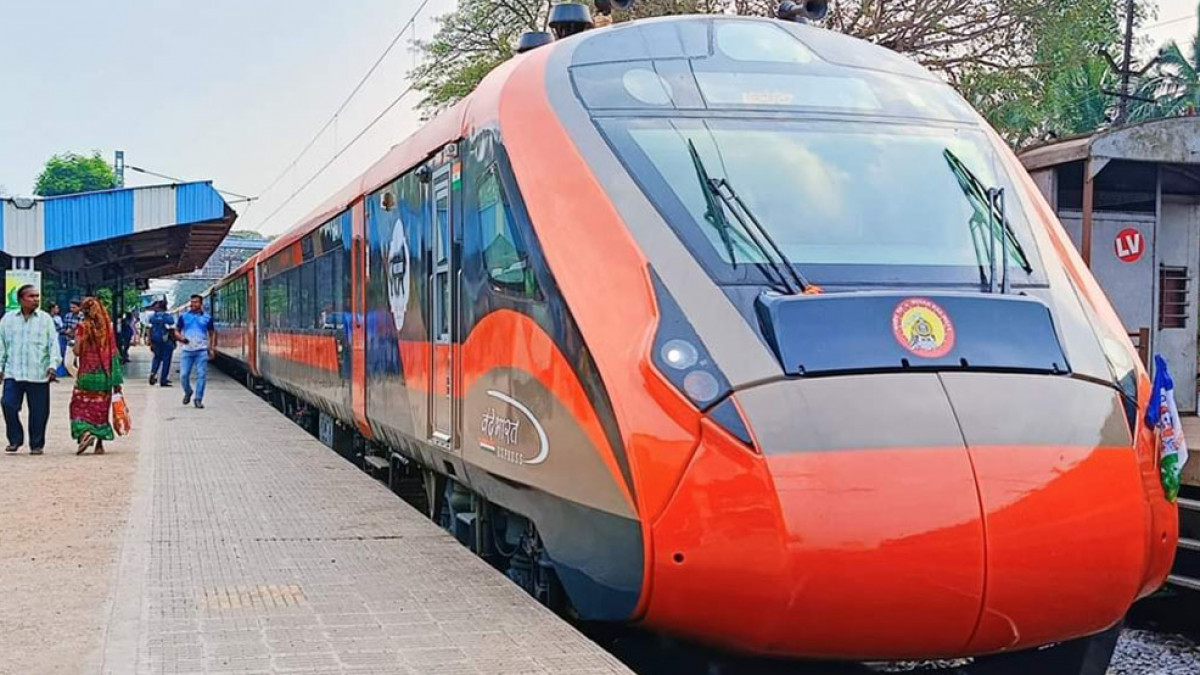
The Vande Bharat Express service from Bhubaneswar to Koraput via the scenic Araku Valley has gained momentum, spotlighting the growing demand for sustainable and equitable rail connectivity in one of Odisha’s most underserved tribal districts.
If implemented, this extension could catalyse economic integration and inclusive growth in the hilly interior of the state. The proposed extension would add around 215 kilometres to the current 444-kilometre Bhubaneswar–Visakhapatnam route, taking the total journey to approximately 669 kilometres—still well within the train’s operational limit of 800 kilometres. The semi-high-speed Vande Bharat Express, which currently operates six days a week, has transformed intercity travel since its inauguration in March 2024. With Odisha already hosting three Vande Bharat routes, stakeholders argue that extending the latest route further inland could ensure last-mile connectivity for marginalised communities.
At present, Koraput district remains largely isolated from Odisha’s mainstream rail network, served directly only by the slow-moving Hirakhand Express. Daily commuters, workers, students, and small businesses in the region rely heavily on this lone connection, often facing overcrowded compartments and long journey times. Extending a premium high-speed rail service through the Araku corridor would not only ease passenger traffic but also symbolise a move toward transport justice and regional balance. The extension route is strategically significant. Passing through scenic but poorly connected stations like Nandapur and Lamtaput, it could bring attention and investment to neighbouring districts such as Nabarangpur and Malkangiri—areas long left behind in the state’s infrastructure push. Beyond just easing transit, the upgraded service has the potential to open up eco-tourism, improve supply chains for tribal crafts, and foster skill mobility within the state.
Estimates suggest that the full journey from Bhubaneswar to Koraput would take around nine hours—an increase of four hours from the current run to Visakhapatnam. Still, proponents say the trade-off is worthwhile, especially for regions starved of fast and reliable transportation options. There is also increasing advocacy to connect this extended route further south to Hyderabad, home to thousands of migrant workers from Odisha. Strengthening these rail corridors could spur intra-state and inter-state economic flows, enhancing livelihoods and reducing regional disparities. The existing eight-coach Vande Bharat train—comprising one executive chair car and seven chair cars—is maintained at Bhubaneswar and is currently running at near full capacity. With rising passenger demand and intensifying calls for equitable development, transport planners are being urged to view railway infrastructure not just through the lens of speed and convenience but also social inclusion and environmental sustainability.
As conversations around low-carbon mobility and regional equity gain traction, the proposed extension offers a rare convergence of political will, local advocacy, and national infrastructure planning. Whether the proposal will translate into reality remains uncertain, but the growing demand underscores a clear public aspiration—connectivity that leaves no community behind.
Also Read :Indian Railways begins cargo train service linking Agartala and Ludhiana markets
