Vadodara Anand Stations To Get Multi Modal Bullet Train Hubs
Vadodara and Anand stations along the Mumbai-Ahmedabad High-Speed Rail (HSR) corridor are set for a major transformation as authorities focus on enhancing passenger facilities and integrating multi-modal transport options. The National High-Speed Rail Corporation Limited (NHSRCL) has issued a fresh tender aimed at converting the stations into modern transport hubs, facilitating seamless connections between buses, autos, private vehicles, and pedestrian pathways.
The station redevelopment plans include dedicated pick-up and drop-off zones, bus bays, parking spaces, foot overbridges, pedestrian circulation paths, signage, and essential passenger amenities. At Vadodara, three new foot overbridges are planned to link the HSR concourse with the city’s railway station, bus depot, and parking areas, while Anand will also benefit from similar upgrades designed to enhance commuter convenience. Additionally, electric vehicle (EV) charging stations will be installed at both stations to support sustainable mobility solutions.
Officials involved in the project emphasise that the station plaza development will prioritise passenger comfort and urban aesthetics. Proposed features include shaded walkways, seating areas, green landscaping, water features, feature walls, lighting enhancements, and well-designed kiosks. These efforts are aligned with India’s broader push for eco-friendly and gender-neutral public infrastructure.
The Mumbai-Ahmedabad bullet train project, India’s first high-speed rail initiative, spans 508 kilometres and includes 12 stations across Maharashtra, Gujarat, and Dadra & Nagar Haveli. The Gujarat segment, including the Vapi-Sabarmati section, is expected to be operational by December 2027, while the entire corridor aims for full operation by late 2029. So far, the government has invested over ₹78,800 crore in the project.
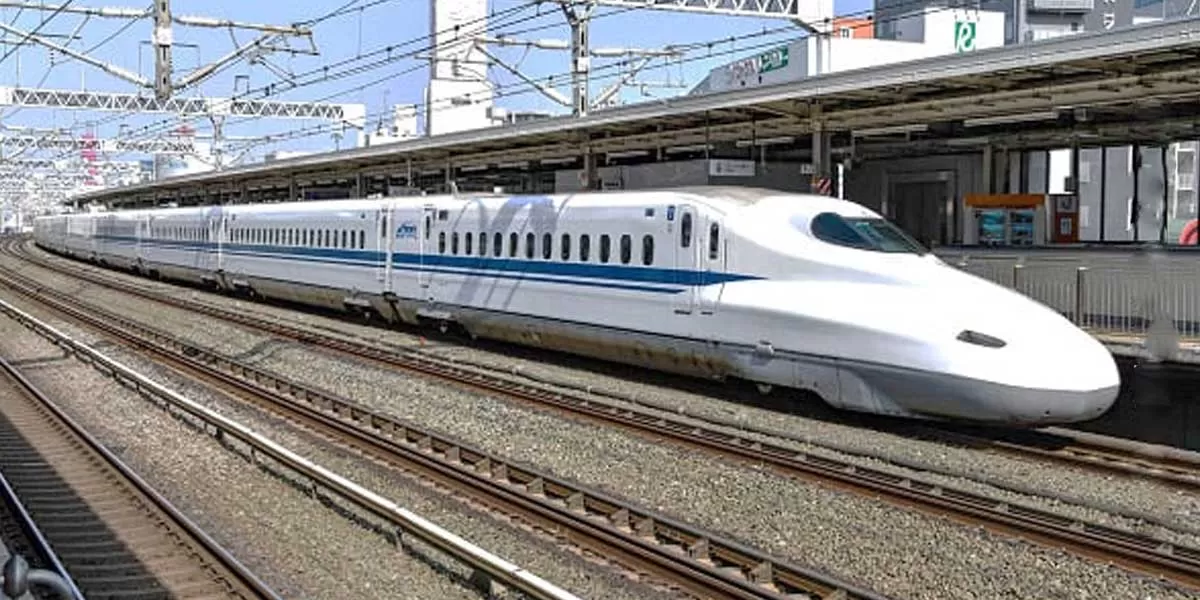
With the introduction of Japan’s next-generation E10 Shinkansen trains, passengers will experience state-of-the-art technology, comfort, and speed, positioning the corridor as a benchmark for India’s high-speed rail network. Experts highlight that integrating multi-modal connectivity at stations like Vadodara and Anand will not only streamline passenger flows but also boost local economies, improve urban mobility, and reduce congestion around transit nodes.The multi-modal upgrades are expected to make these stations model examples of modern, sustainable transport infrastructure. By prioritising passenger-centric amenities and green mobility solutions, the project seeks to enhance commuter experience while ensuring that the stations serve as strategic economic and transport hubs in Gujarat’s urban landscape.